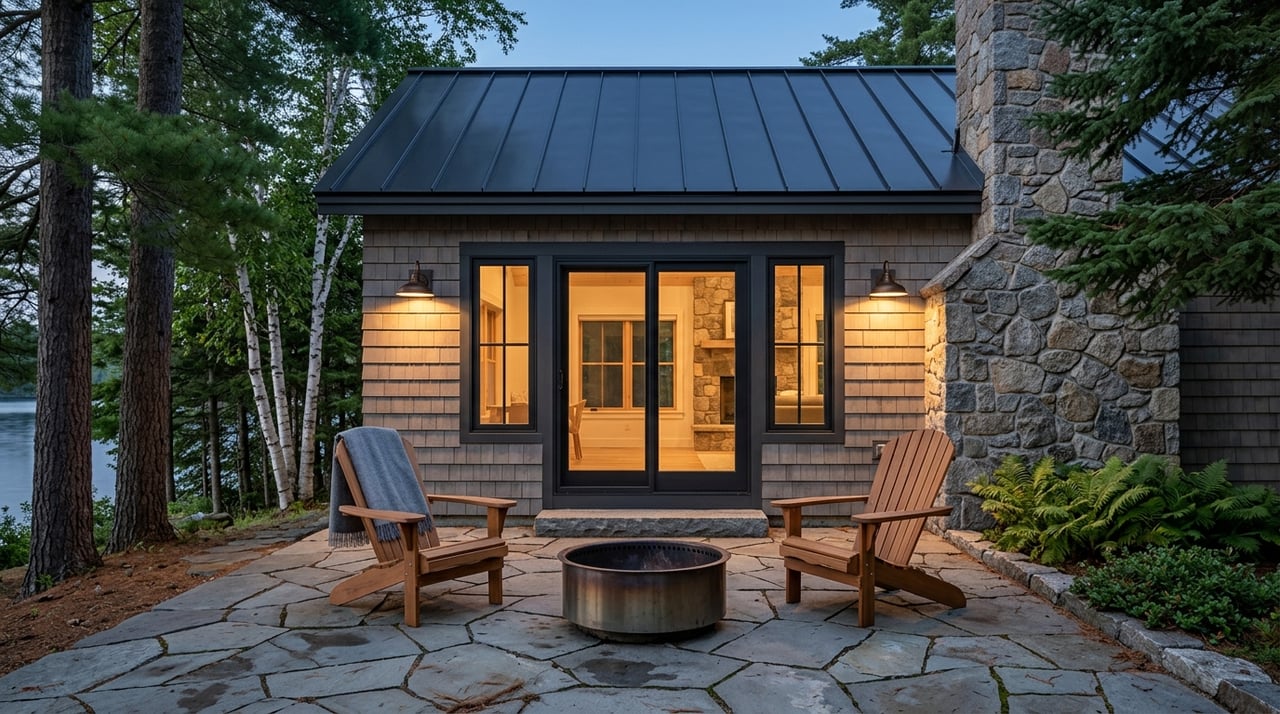
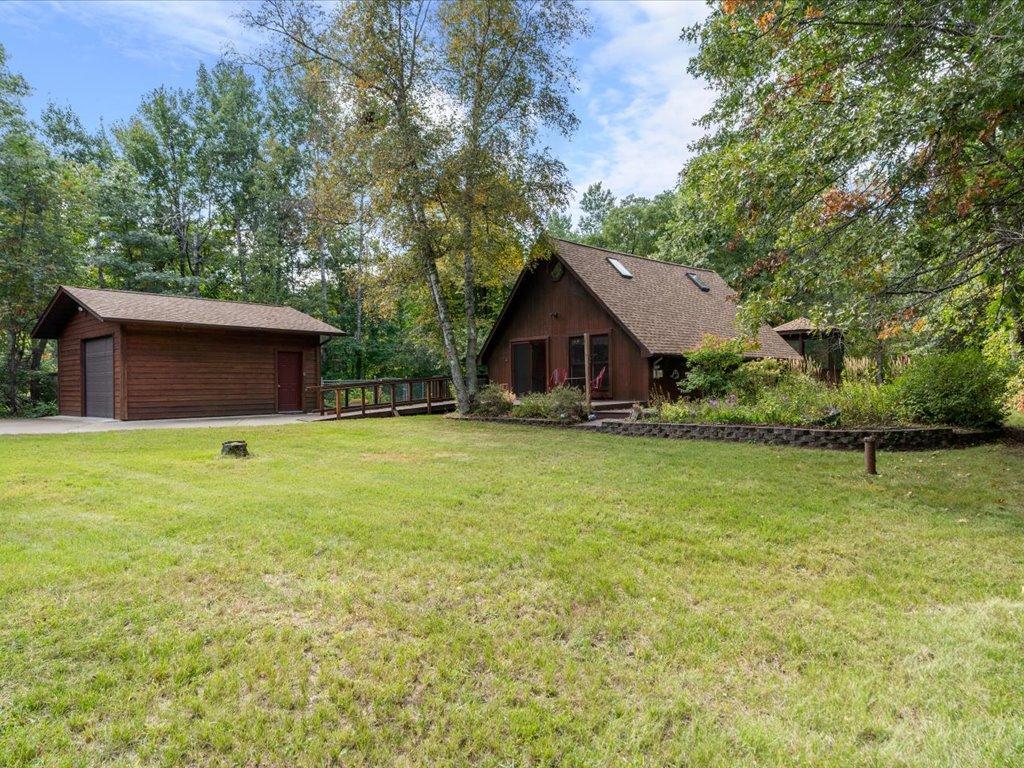
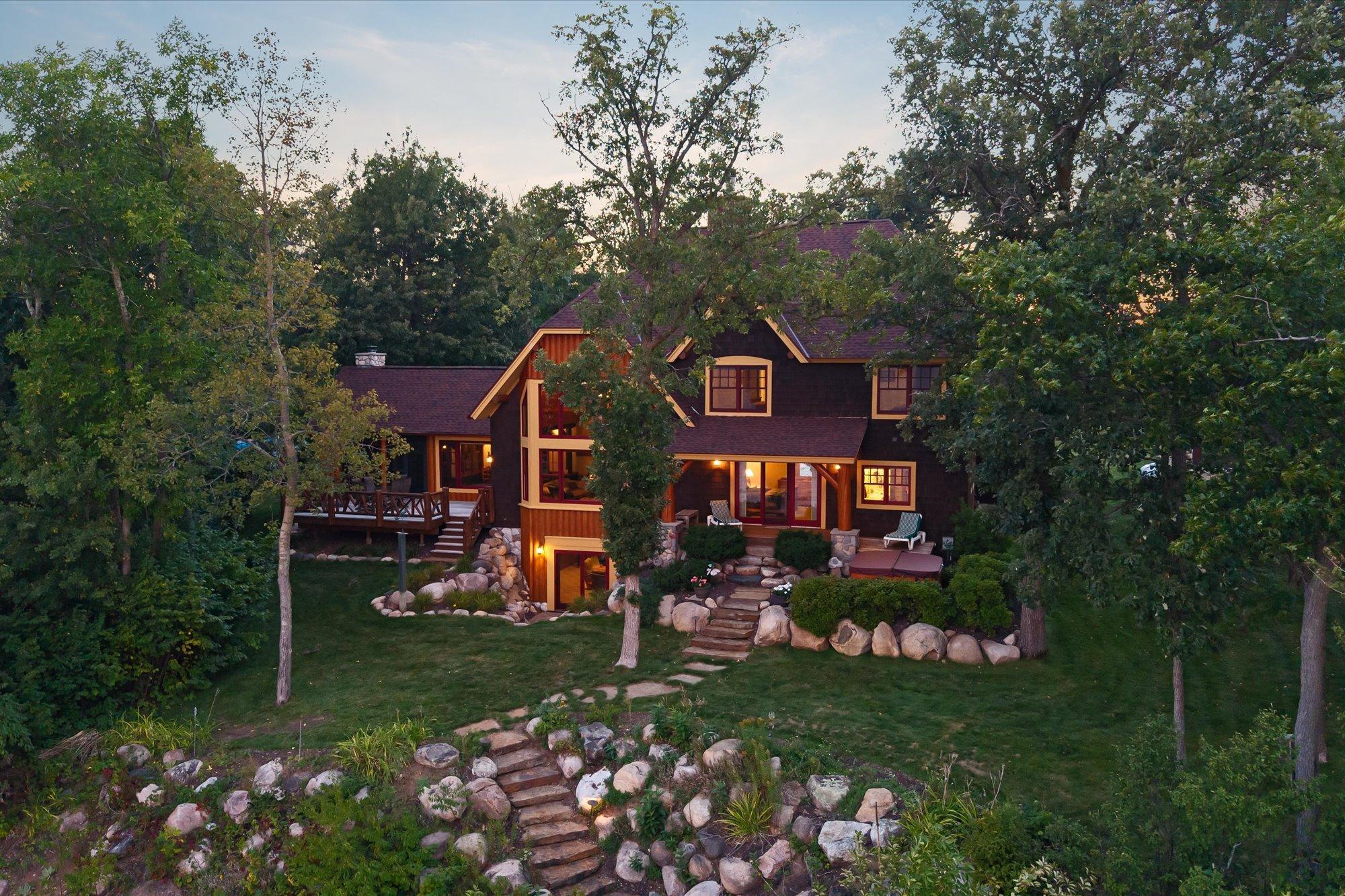
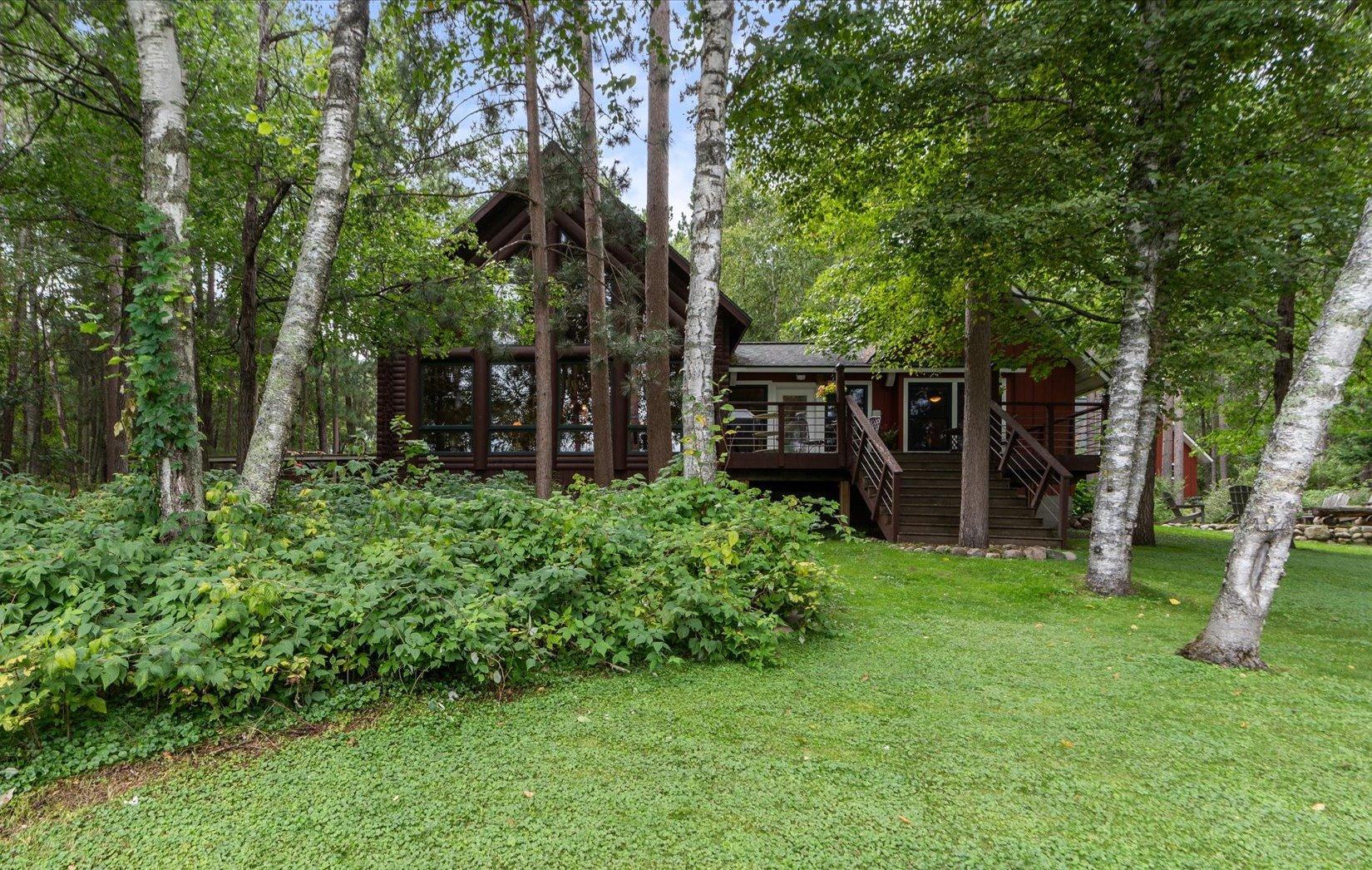
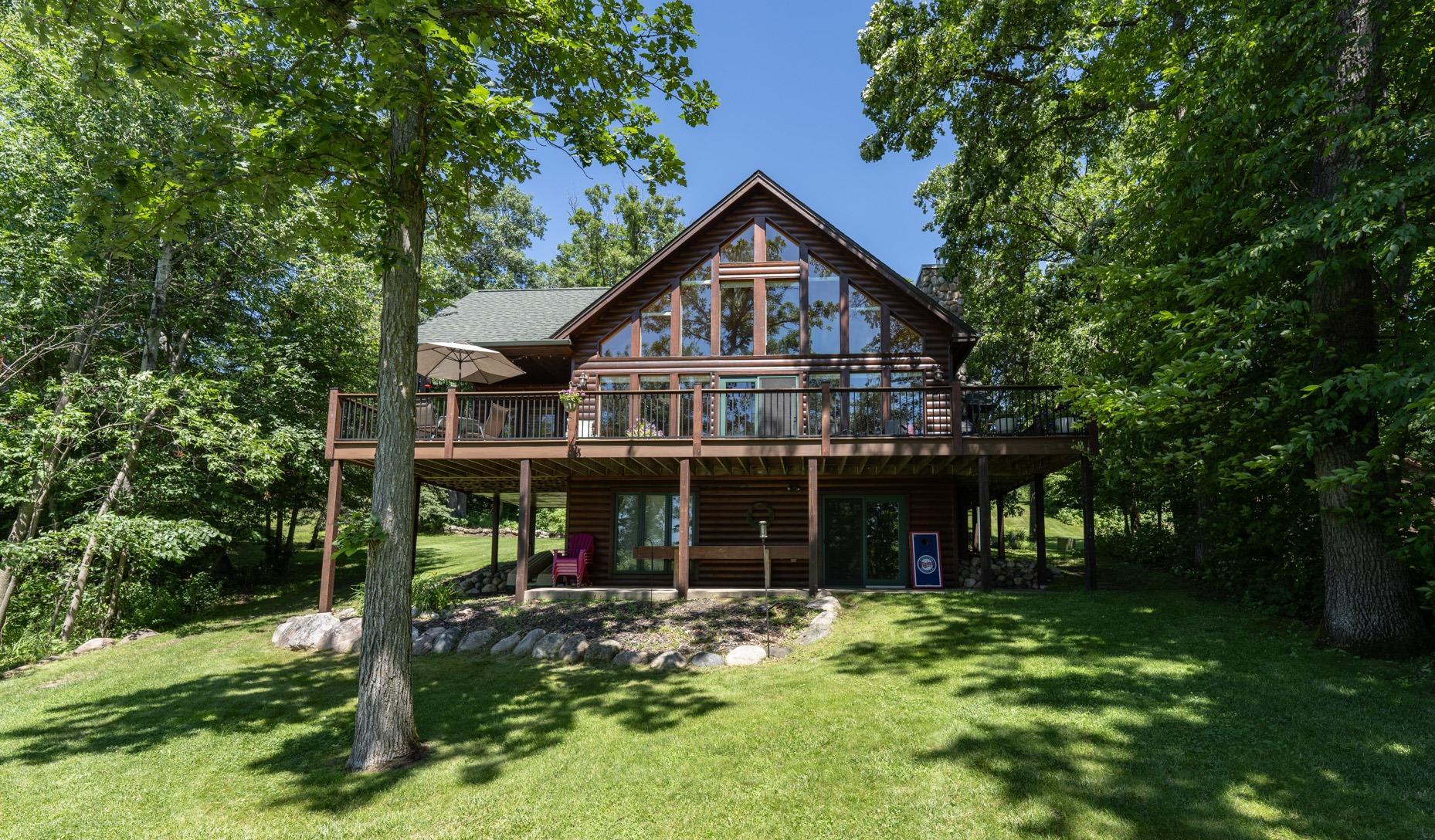
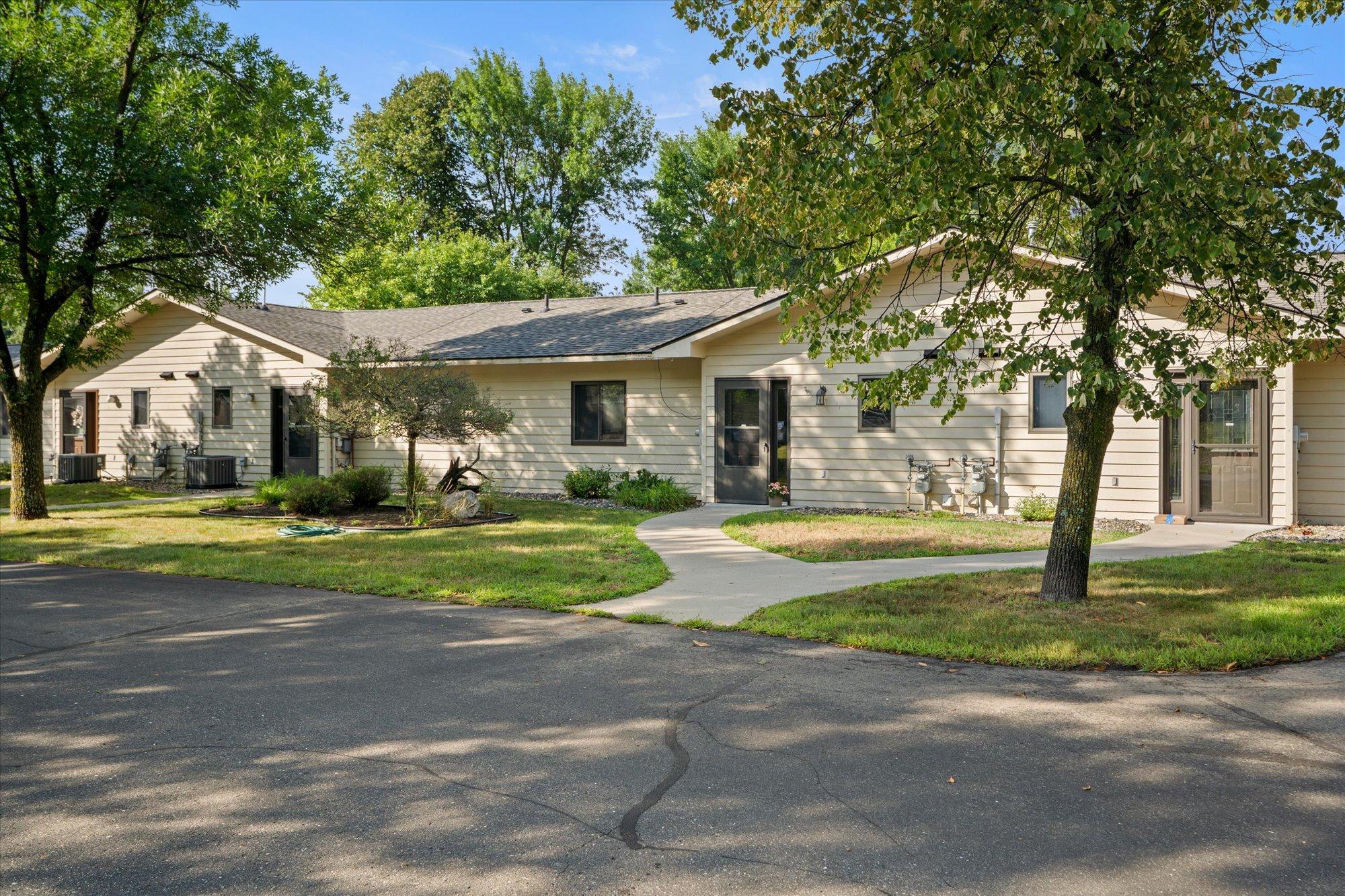
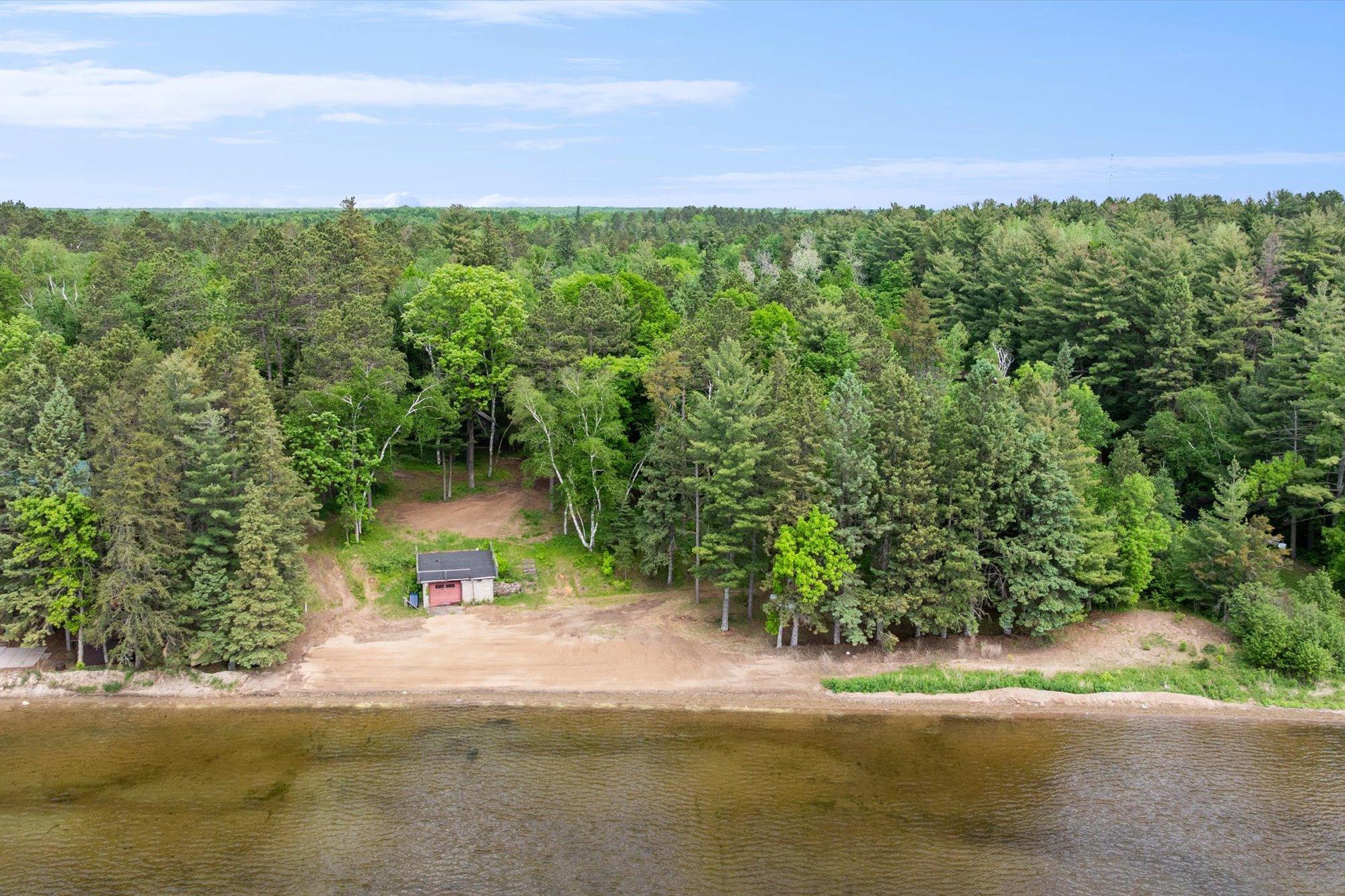
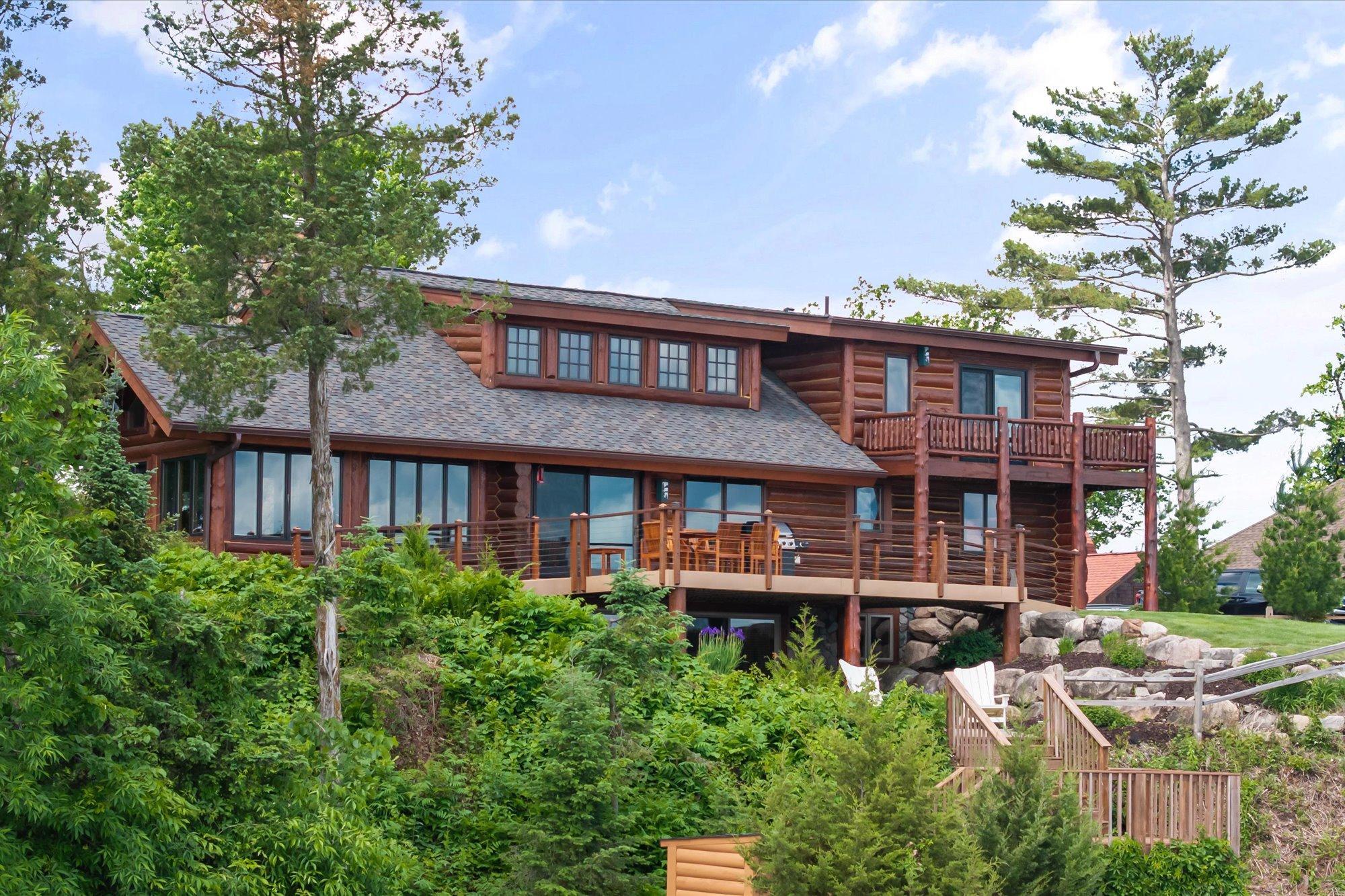
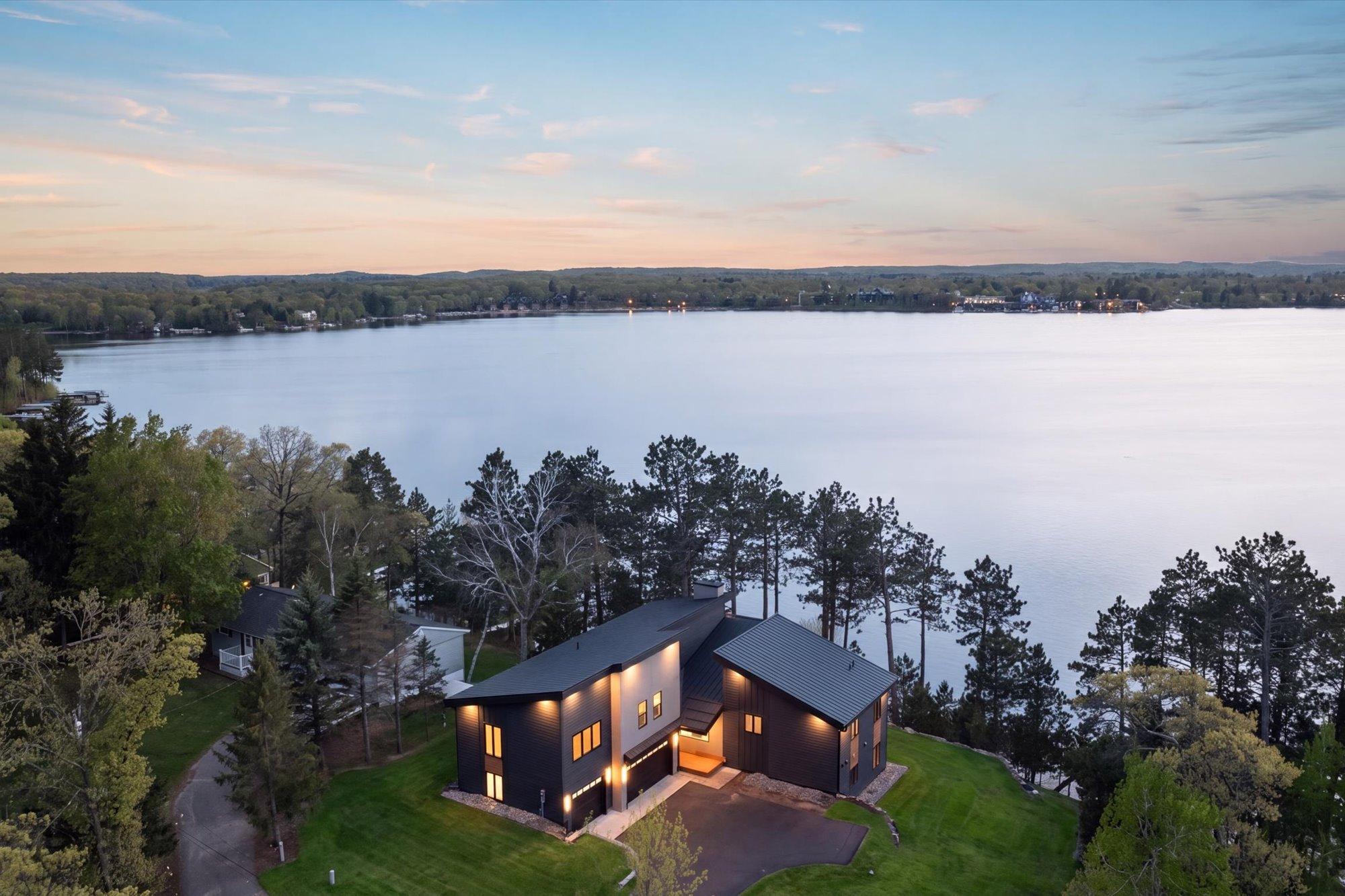
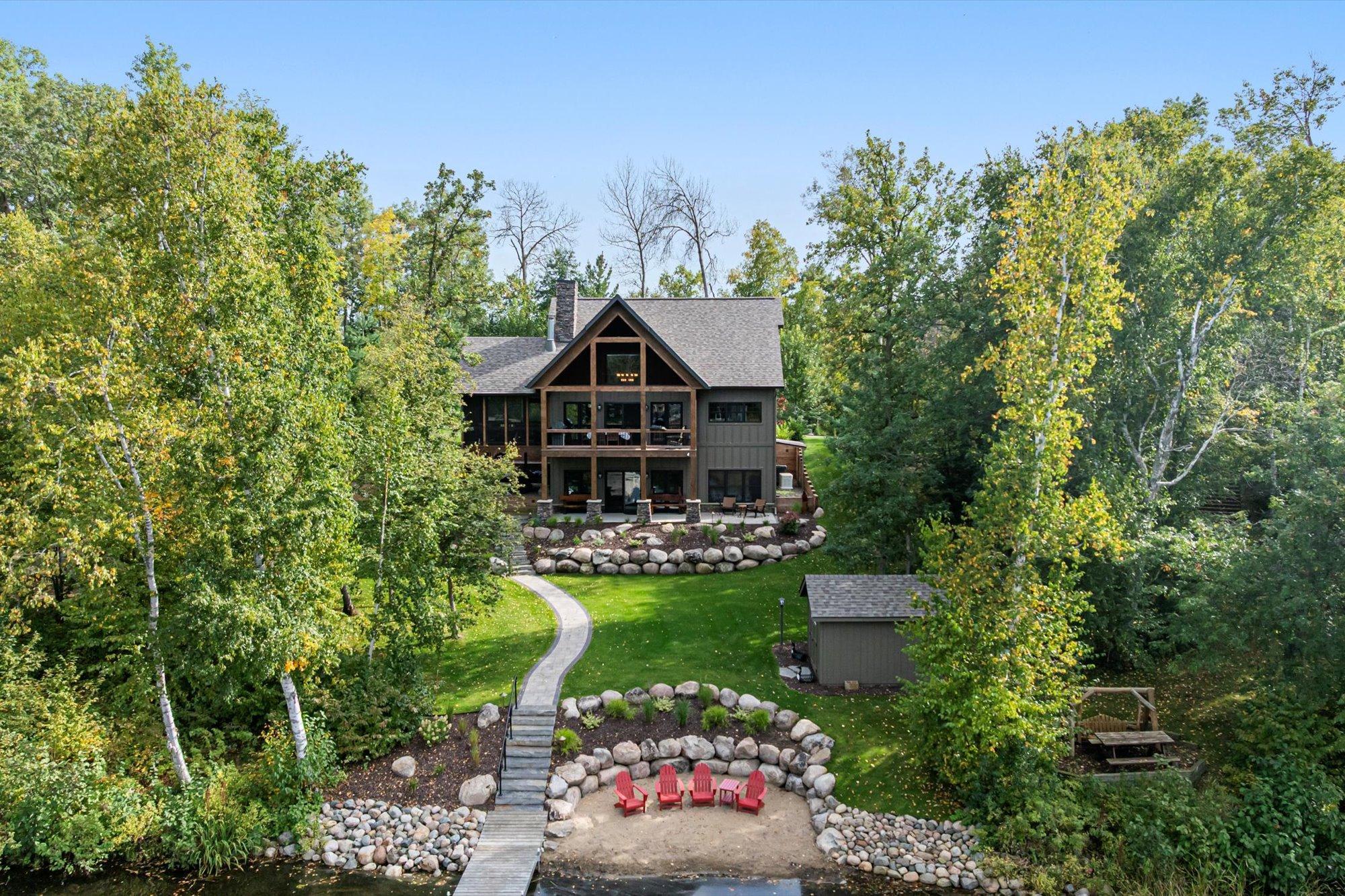
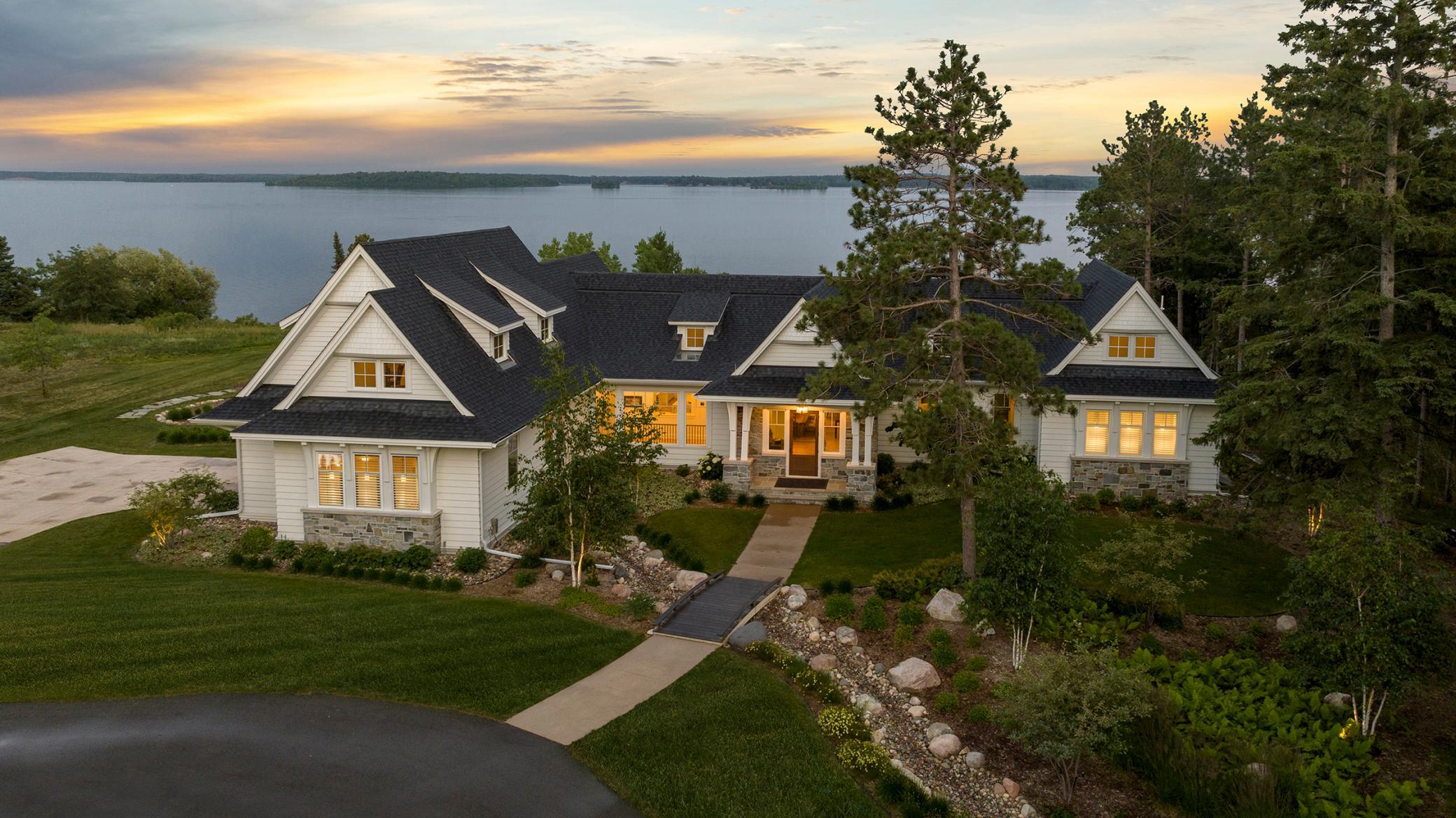
A buyer under contract on a cabin near Crosslake got a letter from the county two weeks before closing. The septic compliance inspection on file was six years old. Crow Wing County requires a current inspection when the certificate of compliance is more than five years old, or within 90 days of filing the deed on a property that doesn't already meet that bar. The deal didn't fall apart, but the closing date moved, and the buyer learned something that had nothing to do with square footage: an older cabin on a quieter stretch of the chain can carry an older system, and that history follows the property into the transaction.
That single letter is a small example of a larger pattern. Ask five people what "Whitefish Chain" means and you'll get five different answers, because the phrase gets used as a single address when it actually describes fourteen separate lakes with fourteen separate personalities. Buyers comparing listings often price the label instead of the lake, and the gap between the two is where the real decisions happen.
Fourteen Lakes Wearing One Name
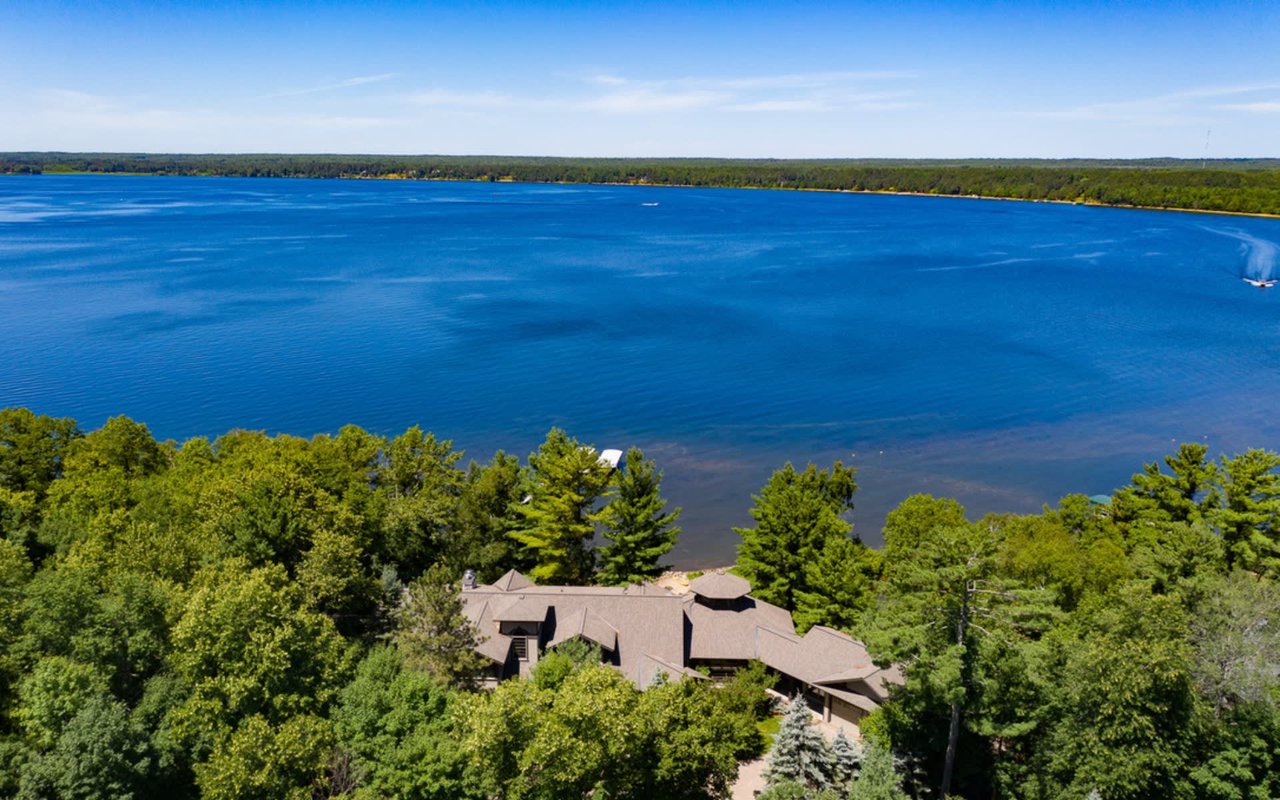
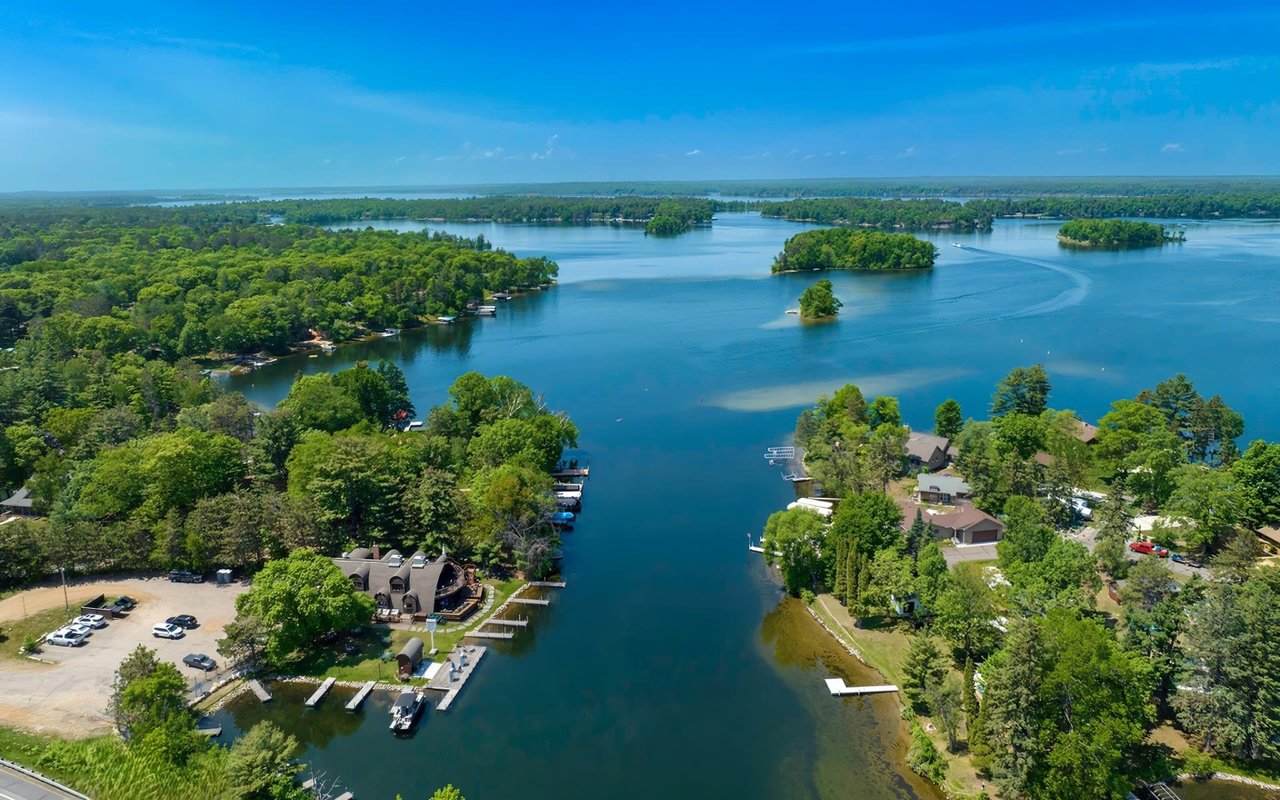
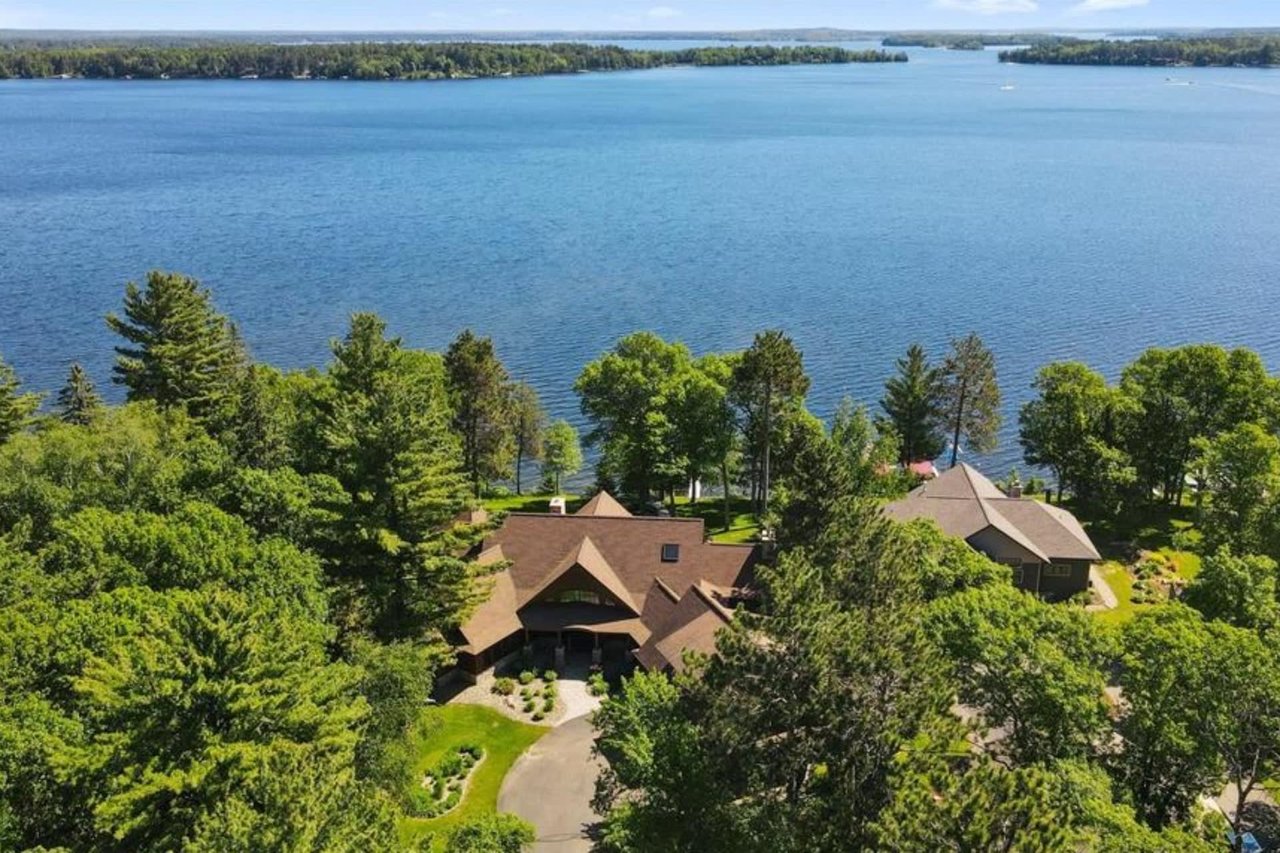
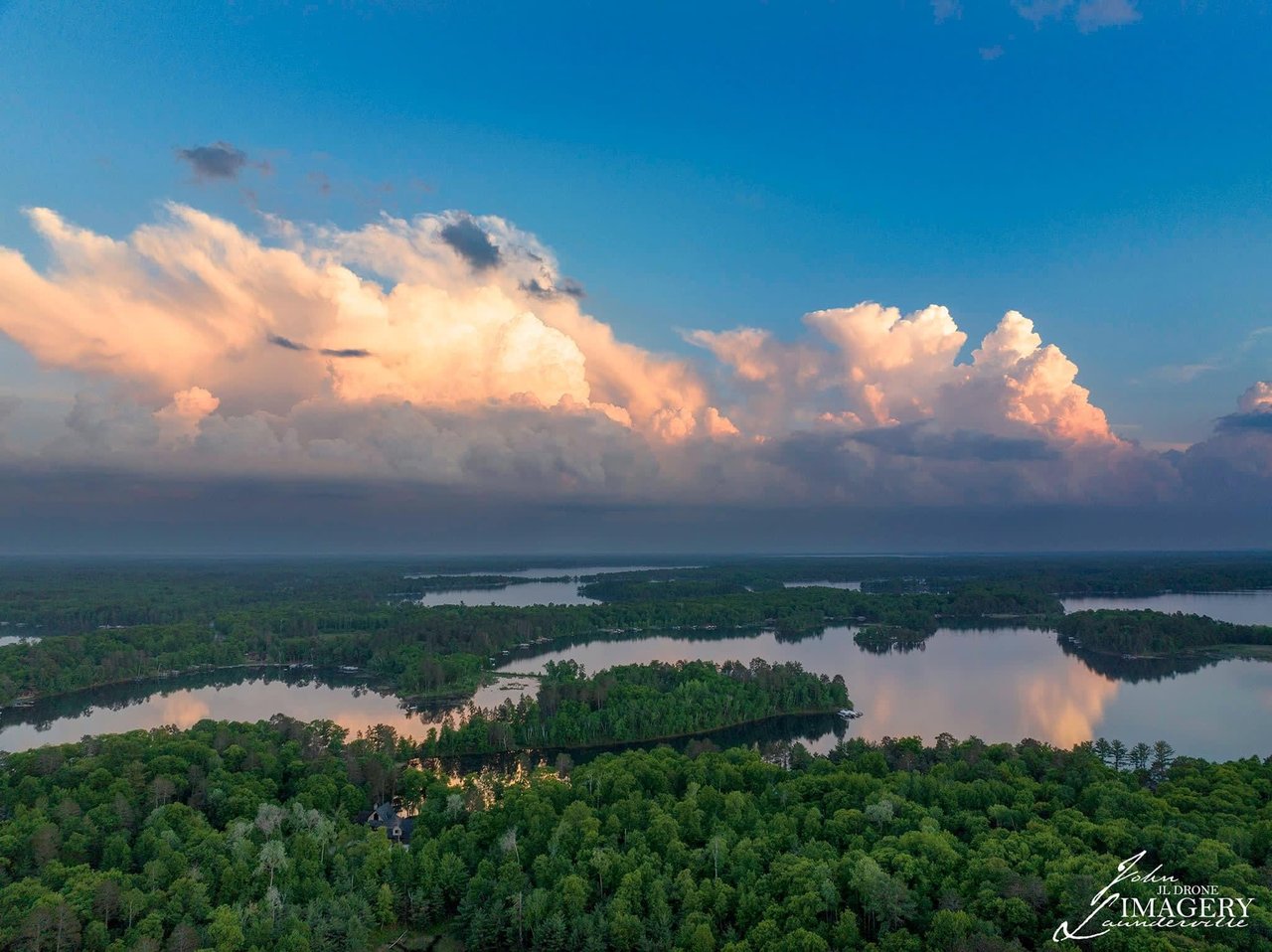
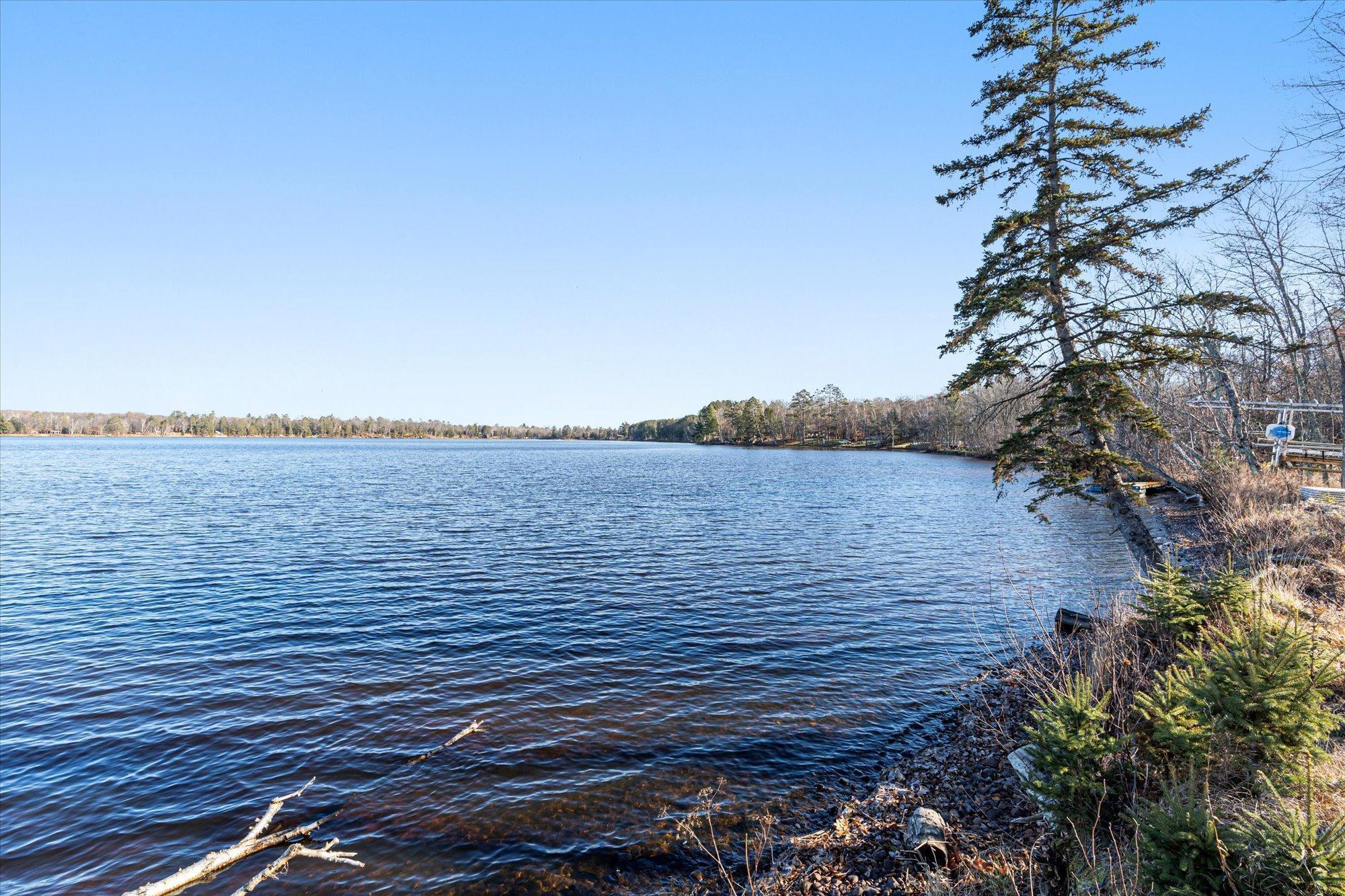
The Whitefish Chain reads like one body of water on a map, but it wasn't always connected. The lakes existed as separate basins until the Pine River Dam was completed at Cross Lake in the 1880s. Raised water levels cut permanent channels between basins that had been isolated, joining what are now Upper Whitefish, Lower Whitefish, Cross, Big Trout, Rush-Hen, Lower Hay, Little Pine, Bertha, Arrowhead, Daggett, Clamshell, Pig, Island, and Loon into one navigable system spanning roughly 14,272 acres. That history matters for a buyer today because it explains why the chain still behaves like fourteen lakes even though a boat can travel between all of them. Depth, clarity, and shoreline character were set long before the dam, and the channels never erased those differences.
What the Median Price Doesn't Admit
Larson Group's own market data for Crosslake put the median home price at approximately $600,000 in May 2026, with an average sale price of $785,374 and an average price per square foot of $303. That figure covers every home sale in the city, waterfront and inland alike, and it's the number most out-of-area buyers see first when they start comparing communities.
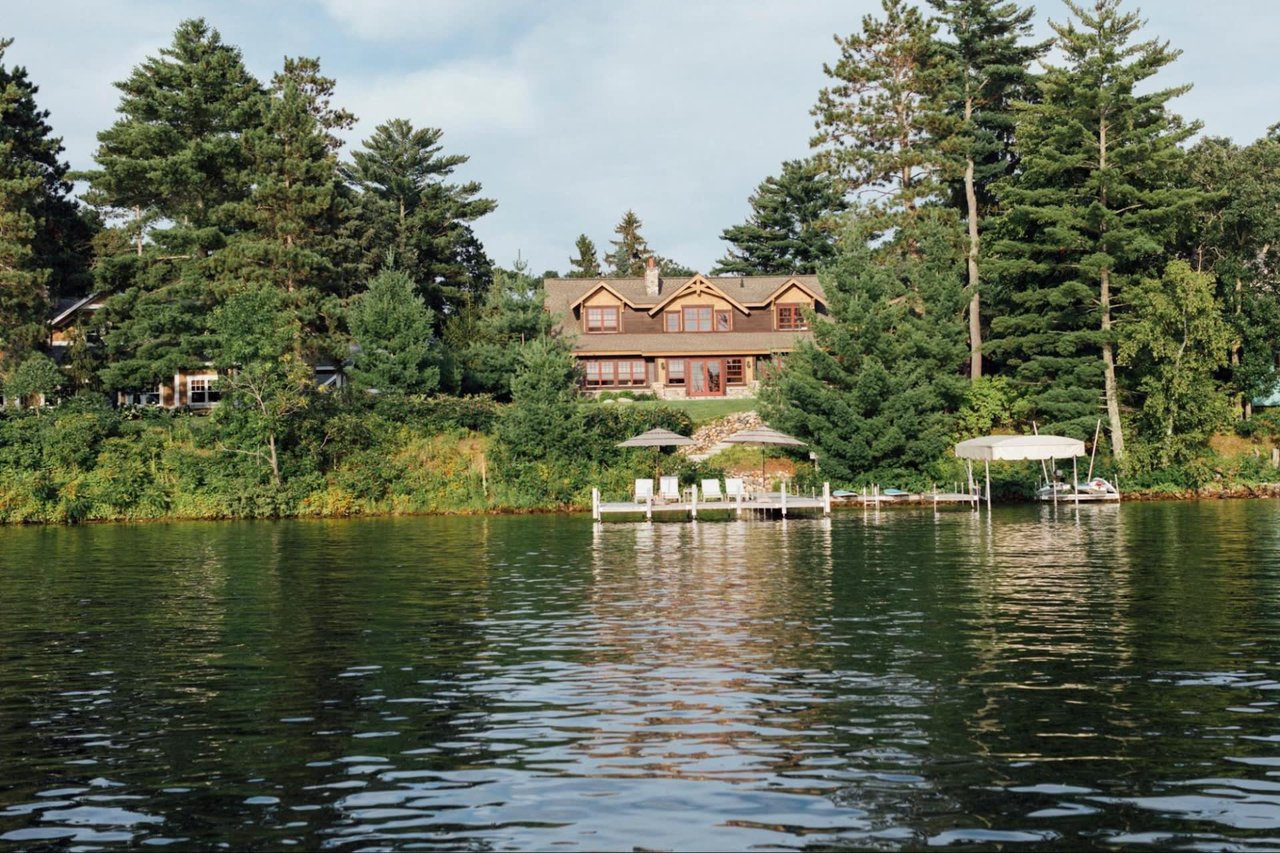
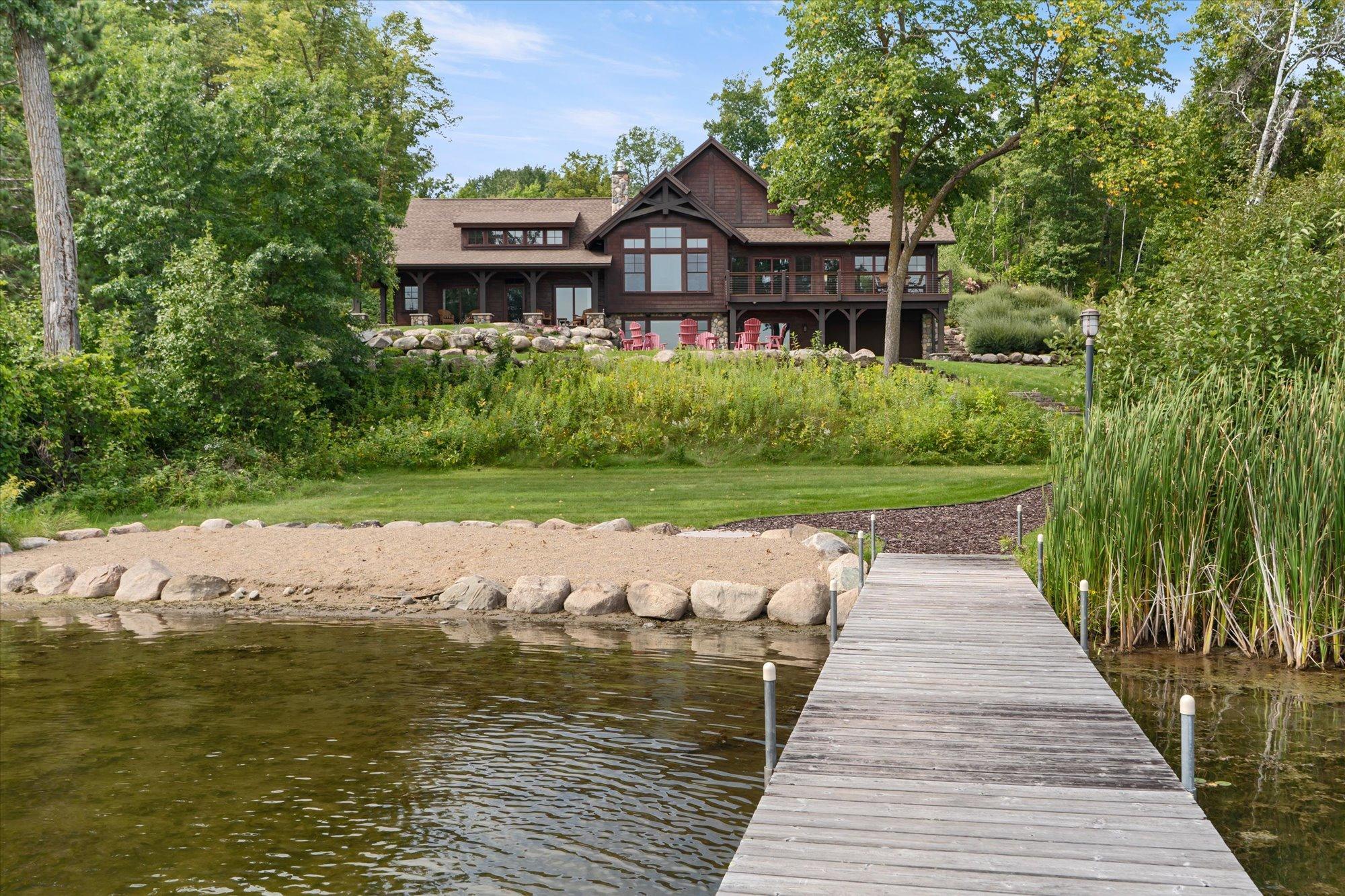
Listings specifically tagged to the Whitefish Chain told a different story as of mid-July 2026, averaging north of $1 million. The distance between those two numbers isn't noise. It's the premium for chain frontage itself, separated out from the inland homes, condos, and off-chain properties that pull the citywide median down. A buyer who anchors on the $600,000 figure and then finds every chain listing priced closer to seven figures isn't looking at an inflated market. They're looking at two different markets that happen to share a zip code.
Which Lake You're Actually Buying Into
Not every chain lake carries the same premium, because not every chain lake offers the same experience. A Minnesota DNR shoreline survey of the system lays out the physical differences plainly, and they line up with how each lake actually gets used.
| Lake | Surface Area | Max Depth | Water Character |
|---|---|---|---|
| Whitefish (Upper & Lower) | 7,715 acres | 138 ft | Large, open, deep, moderate clarity |
| Cross | 1,813 acres | 84 ft | Central hub, heaviest boat traffic |
| Big Trout | 1,363 acres | 128 ft | Deep, clear, DNR-stocked for trout |
| Rush-Hen | 858 acres | 105 ft | Dense with homes, close to town |
| Lower Hay | 693 acres | 100 ft | Deep, west side, near Pequot Lakes |
| Little Pine | 352 acres | 36 ft | Shallow, warms quickly, eutrophic |
| Bertha | 337 acres | 64 ft | Moderate depth, no direct public access |
| Arrowhead | 296 acres | 13 ft | Shallowest on the chain, eutrophic |
| Daggett | 231 acres | 23 ft | Shallow, favors spring panfishing |
| Clamshell | 208 acres | 44 ft | Moderate, north-side public access |
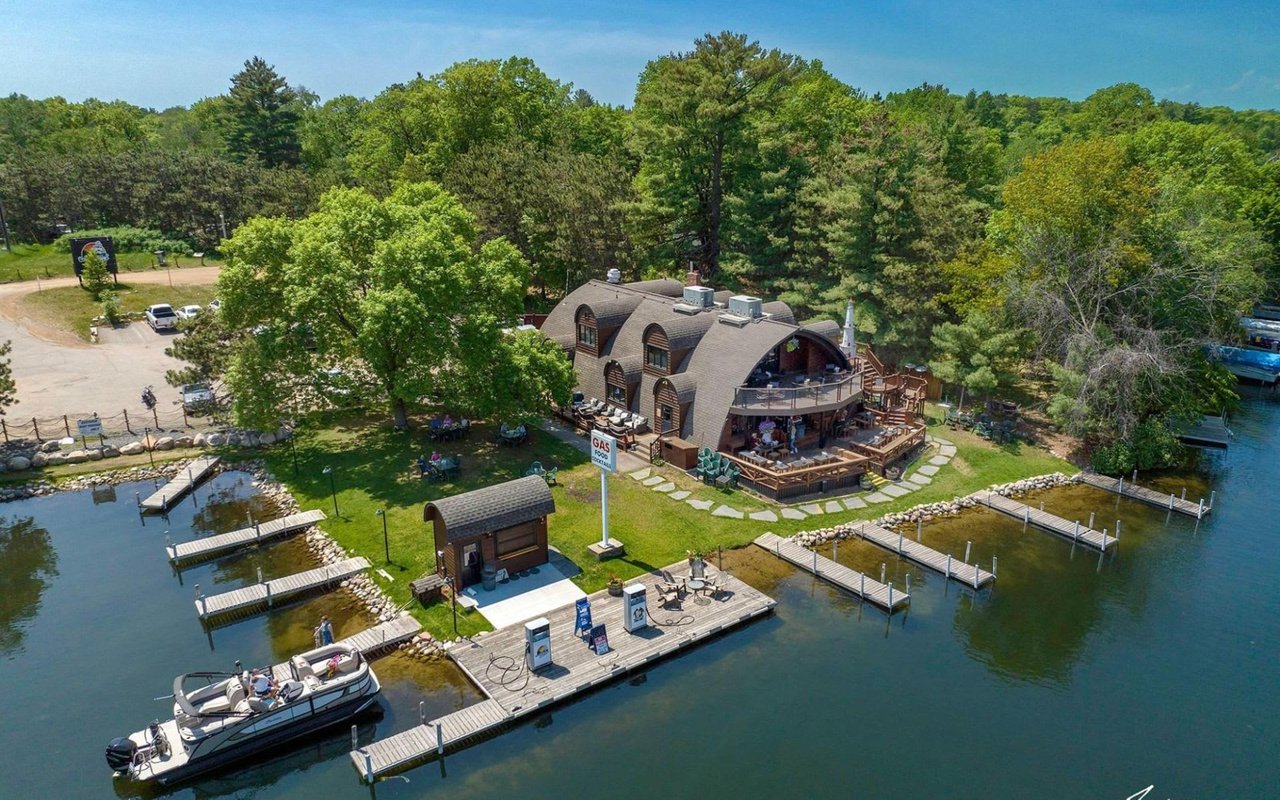
Cross Lake sits at the center of the system and functions as the chain's gateway, with Crosslake Town Square and marinas like The Wharf and Your Boat Club within easy reach by water. That proximity is convenient, and it also means the most boat traffic on the chain. Big Trout Lake is the one basin in the Brainerd Fisheries area actively managed and stocked for lake trout, which draws a different kind of buyer than a family wanting a swimming beach. Fuel service on the chain's west side comes from Bertha Boatworks, and a public launch on Big Trout sits just north of Manhattan Beach Lodge, both landmarks that only make sense to someone already thinking in terms of which part of the chain they'd actually use.
At the other end, Arrowhead, Daggett, and Little Pine are shallow and classified as eutrophic, meaning warmer water, more vegetation, and a different fishing and swimming experience than the deep, clearer basins like Big Trout or the main body of Whitefish. None of that shows up in a listing that simply says "Whitefish Chain access." It shows up when you ask which of the fourteen lakes the dock actually sits on.
The Access Bottleneck Nobody Mentions
Roughly 91 percent of the chain's shoreline is privately owned, and the entire fourteen-lake system has only six public accesses, concentrated on Lower Hay, Whitefish, Clamshell, Big Trout, and Cross. That scarcity is part of what supports pricing on private frontage, since most of the shoreline simply isn't available to buy. It also means the lake you choose determines how you get on and off the water if you don't own frontage yourself. A renter or a buyer eyeing an off-chain lot near Bertha or Daggett needs to know there's no direct public launch on Bertha at all, and that access runs through neighboring Clamshell or Lower Whitefish instead.
Back to That Septic Letter
The compliance timeline that delayed one buyer's closing isn't a random county quirk. Crow Wing County's shoreland district requires evidence that a septic system has been maintained within the last three years before certain land use permits are issued, and a compliance inspection more than three years old, or a certificate of compliance more than five years old, triggers a new inspection at the point of sale. Older cabins tend to cluster on the quieter, less-trafficked lakes, the same ones that read as bargains next to a Cross Lake listing. That discount can come with a septic system that's older too, and the inspection timeline is where that difference becomes a real date on a closing calendar rather than a line item in a listing description.
Frequently Asked Questions
Does "Whitefish Chain" always mean big, open water for boating? No. Upper and Lower Whitefish and Cross Lake offer large, open water that can get choppy on windy days. Smaller connected lakes like Loon, Island, and parts of Big Trout are known for calmer, more sheltered bays, even though a boat can reach all of them through the same channel system.
Why would a chain-connected lot cost less than a Cross Lake address? Depth, clarity, and distance from the hub all factor in. A shallow, eutrophic lake like Arrowhead or Daggett offers chain access and a boat ride to everything Cross Lake has to offer, but the immediate shoreline experience, warmer water, more vegetation, less boat traffic, is different enough that pricing reflects it.
If you're comparing listings that all say "Whitefish Chain" and want to know what that phrase actually means for a specific dock, a specific depth, and a specific septic history, that's the kind of local read that only comes from working the chain lake by lake. Larson Group has been doing exactly that since 1984. Reach out and let's talk about which of the fourteen lakes actually fits what you're looking for.