By Larson Group | Keller Williams Realty Professionals
Quality sleep changes everything. How you feel each morning, your energy throughout the day, and even how connected you feel to your home all depend on those quiet hours of rest. Yet so many homeowners overlook the impact that their living space has on their ability to sleep well.
At the Larson Group, we see homes of all kinds across the Brainerd Lakes Area. Some seem to invite relaxation the moment you step inside, while others feel energized and busy. The difference often comes down to intentional design choices that support rest, particularly in the bedroom. If you are searching for a new home or considering updates to your current one, understanding how to design a sleep-friendly home can be one of the most valuable investments you make.
Key Takeaways
- Your bedroom environment directly affects sleep quality through light exposure, temperature, and sound control
- Window treatments, flooring, and room layout are functional design elements that support better rest
- Minnesota's seasonal light shifts make blackout options especially important for year-round sleep
- Simple changes to your existing space can make a measurable difference in how well you sleep
Start with Light Control
Light is the most powerful regulator of your sleep-wake cycle. Your body responds to light by suppressing melatonin, the hormone that signals it is time to rest. When your bedroom allows too much light in, your body can struggle to shift into sleep mode, even when you are tired.
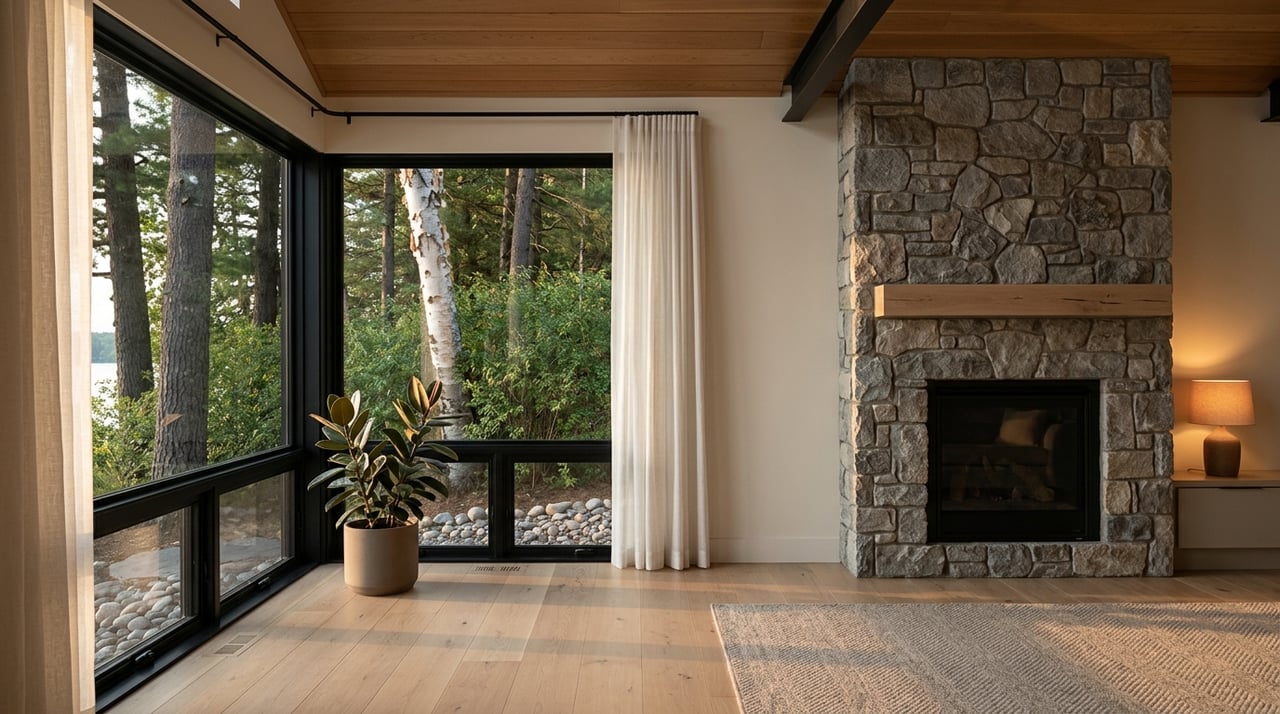
Window placement matters more than most people realize. South-facing windows bring in strong afternoon light, while east-facing windows catch the morning sun. Understanding where light enters your bedroom helps you plan for the right window treatments. In Minnesota, where summer days stretch long and winter nights come early, your lighting needs shift dramatically with the seasons.
Window placement matters more than most people realize. South-facing windows bring in strong afternoon light, while east-facing windows catch the morning sun. Understanding where light enters your bedroom helps you plan for the right window treatments. In Minnesota, where summer days stretch long and winter nights come early, your lighting needs shift dramatically with the seasons.
Features That Help Manage Bedroom Light
- Blackout curtains or cellular shades that block sunlight completely
- Layered window treatments that allow flexibility between full darkness and filtered light
- Dimmer switches on overhead fixtures to lower light intensity before bed
- Warm-toned bulbs (2700K or below) that reduce blue light exposure in the evening
Consider Bedroom Temperature and Airflow
Most sleep researchers agree that cooler temperatures promote deeper sleep. The ideal bedroom temperature for most people falls between 60 and 67 degrees Fahrenheit. Homes with proper insulation and HVAC systems give you control over bedroom temperature throughout the year.
Airflow also plays a role. Stagnant air can make a room feel stuffy and uncomfortable, while gentle air movement creates a more pleasant sleeping environment. Ceiling fans, properly placed windows that allow cross-ventilation, and quality air filtration systems all contribute to a bedroom that feels fresh and comfortable.
Airflow also plays a role. Stagnant air can make a room feel stuffy and uncomfortable, while gentle air movement creates a more pleasant sleeping environment. Ceiling fans, properly placed windows that allow cross-ventilation, and quality air filtration systems all contribute to a bedroom that feels fresh and comfortable.
What to Look For in Temperature-Friendly Bedrooms
- Ceiling fans with quiet motors and adjustable speeds
- Windows positioned to allow cross-breezes during mild weather
- Programmable thermostats that can lower temperatures automatically at bedtime
- Well-sealed windows and insulation to maintain consistent temperatures
Address Sound in Your Sleep Space
Sound disruptions rank among the most common complaints from people who struggle to sleep well. Whether it is traffic noise, household sounds, or simply the hum of appliances, unwanted noise can pull you out of deep sleep without you even realizing it.
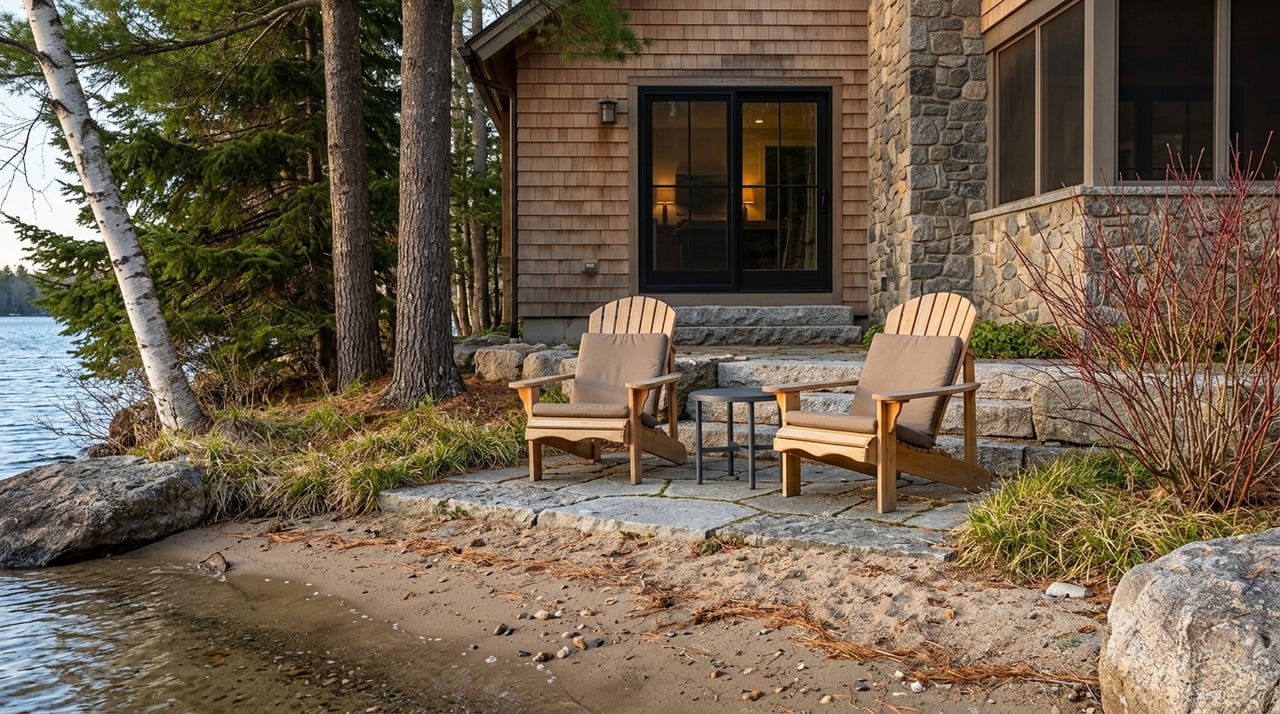
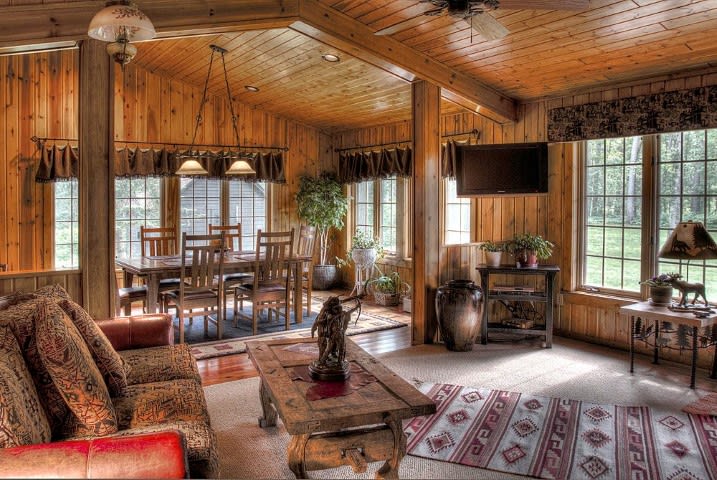
The location of your bedroom within the home makes a difference. Bedrooms positioned away from busy streets, garages, and main living areas tend to be quieter. In lakeside properties around Crosslake and Breezy Point, you might have the opposite consideration: many people find the natural sounds of water and wildlife actually help them sleep, so positioning a bedroom to catch those sounds can be a benefit.
The location of your bedroom within the home makes a difference. Bedrooms positioned away from busy streets, garages, and main living areas tend to be quieter. In lakeside properties around Crosslake and Breezy Point, you might have the opposite consideration: many people find the natural sounds of water and wildlife actually help them sleep, so positioning a bedroom to catch those sounds can be a benefit.
Design Elements That Reduce Unwanted Noise
- Solid-core doors that block sound better than hollow alternatives
- Carpet or area rugs that absorb sound and reduce echoes
- Double-pane or triple-pane windows that dampen outside noise
- Strategic furniture placement, like bookshelves, that adds mass and absorbs sound waves
Choose Calming Colors and Materials
The visual environment of your bedroom sends signals to your brain about whether it is time to be alert or time to rest. Bold, stimulating colors and busy patterns can keep your mind active, while softer, muted tones tend to encourage relaxation.
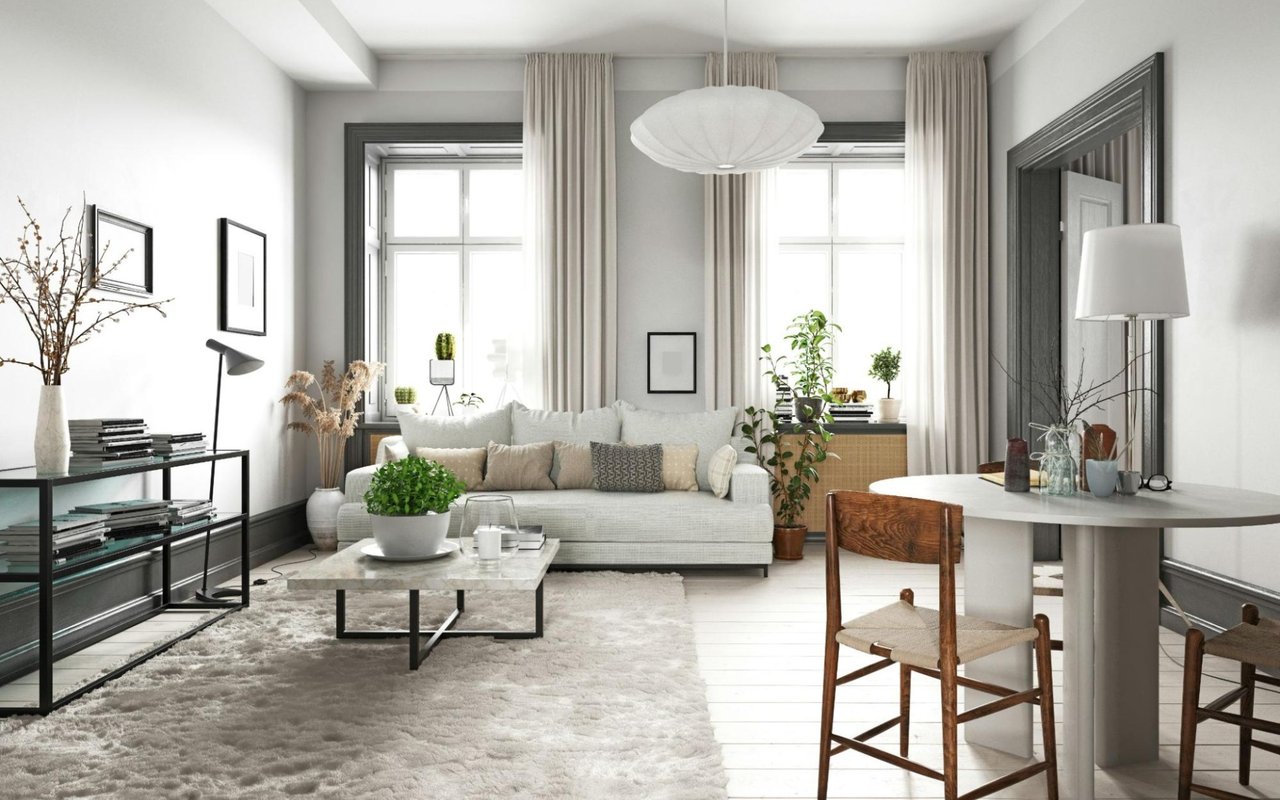
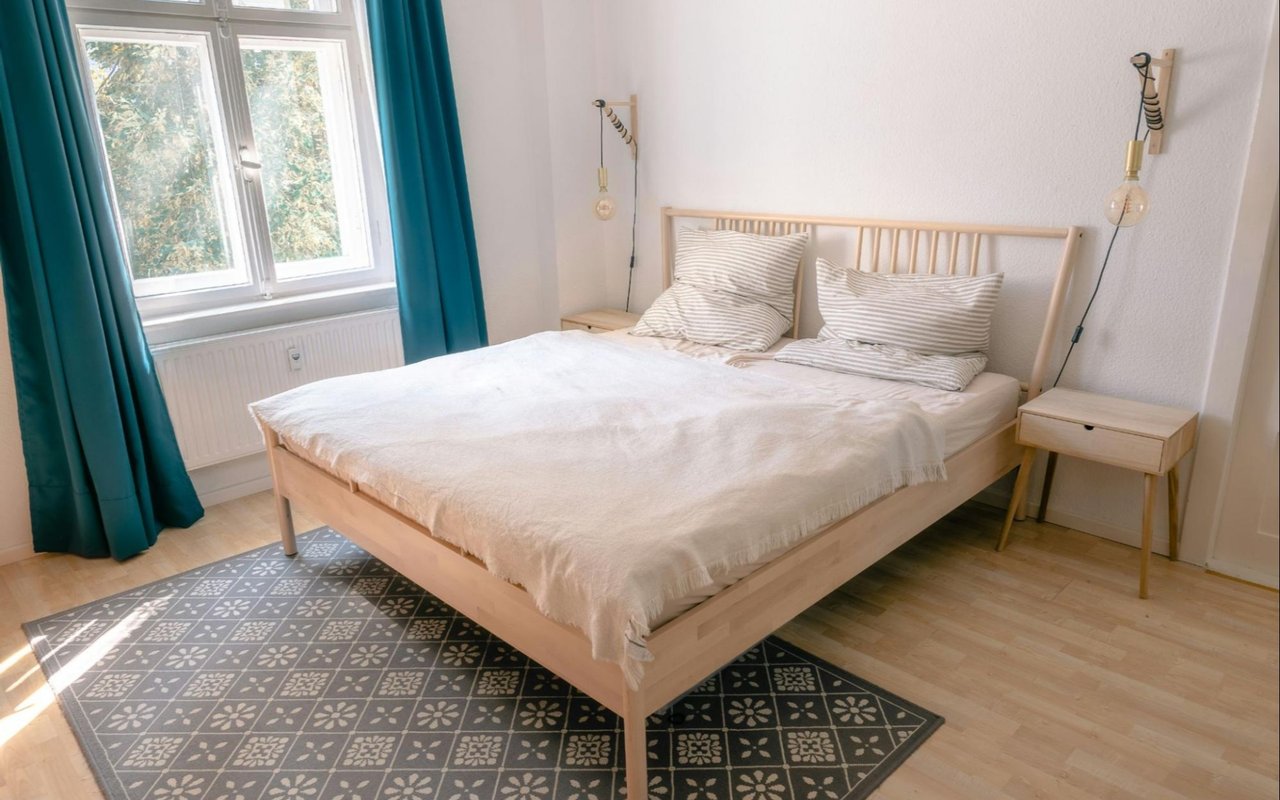
Neutral palettes work well in sleep spaces. Soft blues, gentle greens, warm grays, and creamy whites create a backdrop that feels calm without being sterile. The materials in your bedroom matter too. Natural textures like wood, cotton, and linen tend to feel more restful than synthetic materials, and they age more gracefully over time.
Neutral palettes work well in sleep spaces. Soft blues, gentle greens, warm grays, and creamy whites create a backdrop that feels calm without being sterile. The materials in your bedroom matter too. Natural textures like wood, cotton, and linen tend to feel more restful than synthetic materials, and they age more gracefully over time.
Palette and Material Choices for Better Sleep
- Matte paint finishes that absorb light rather than reflect it
- Soft, breathable bedding in natural fibers like cotton or linen
- Wood furniture or accents that add warmth without visual busyness
- Minimal decor that keeps the space feeling open and uncluttered
Create a Dedicated Wind-Down Space
Sleep begins before you get into bed. Having a space in or near your bedroom where you can transition from the activity of the day into a restful state makes a real difference. This might be a reading nook, a comfortable chair by the window, or simply a clear area where you can stretch and breathe.
Homes with thoughtful layouts often include primary suites that feel separate from the main living areas. This separation supports the mental shift from "on" to "off" that good sleep requires. When the bedroom feels like a retreat rather than just another room in the house, it becomes easier to leave the day behind.
Homes with thoughtful layouts often include primary suites that feel separate from the main living areas. This separation supports the mental shift from "on" to "off" that good sleep requires. When the bedroom feels like a retreat rather than just another room in the house, it becomes easier to leave the day behind.
Features That Support a Pre-Sleep Routine
- A comfortable seating area within or adjacent to the bedroom
- Good task lighting for reading that does not disrupt the overall calm of the space
- Adequate storage so that clutter stays out of sight
- Enough floor space to stretch, practice breathing exercises, or simply stand quietly before bed
Frequently Asked Questions
What makes a bedroom sleep-friendly?
A sleep-friendly bedroom manages light, temperature, and sound effectively. It features window treatments that block unwanted light, maintains a cool temperature between 60 and 67 degrees, reduces noise through design choices, and uses calming colors and materials that encourage relaxation.
How important is bedroom location within a home?
Bedroom location matters more than many buyers initially consider. Rooms positioned away from street noise, garages, and high-traffic areas tend to be quieter and more restful. In lake homes, some buyers prefer bedrooms that capture natural water sounds, which many people find soothing.
Can I improve sleep quality in my current home without major renovations?
Yes. Simple changes like adding blackout curtains, installing dimmer switches, using a ceiling fan, and choosing soft, breathable bedding can all improve sleep quality. Decluttering your bedroom and removing electronics also help create a more restful environment.
Find Your Restful Home in the Brainerd Lakes Area
The right home supports every part of your life, including the hours you spend asleep. When you work with the Larson Group, you have a team that understands the Brainerd Lakes Area inside and out. We can help you identify homes with the features that matter most for restful living, from quiet bedroom locations to lake views that invite relaxation. Reach out today to start your search for a home that truly feels like a retreat.