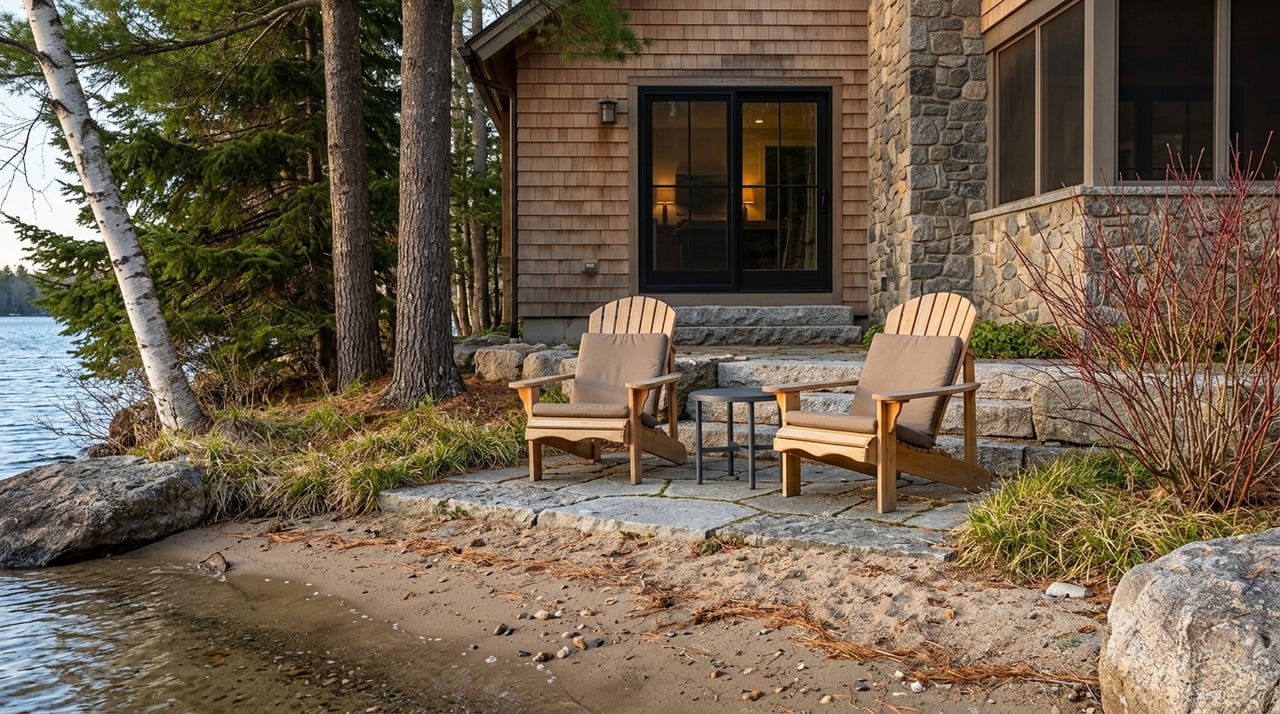
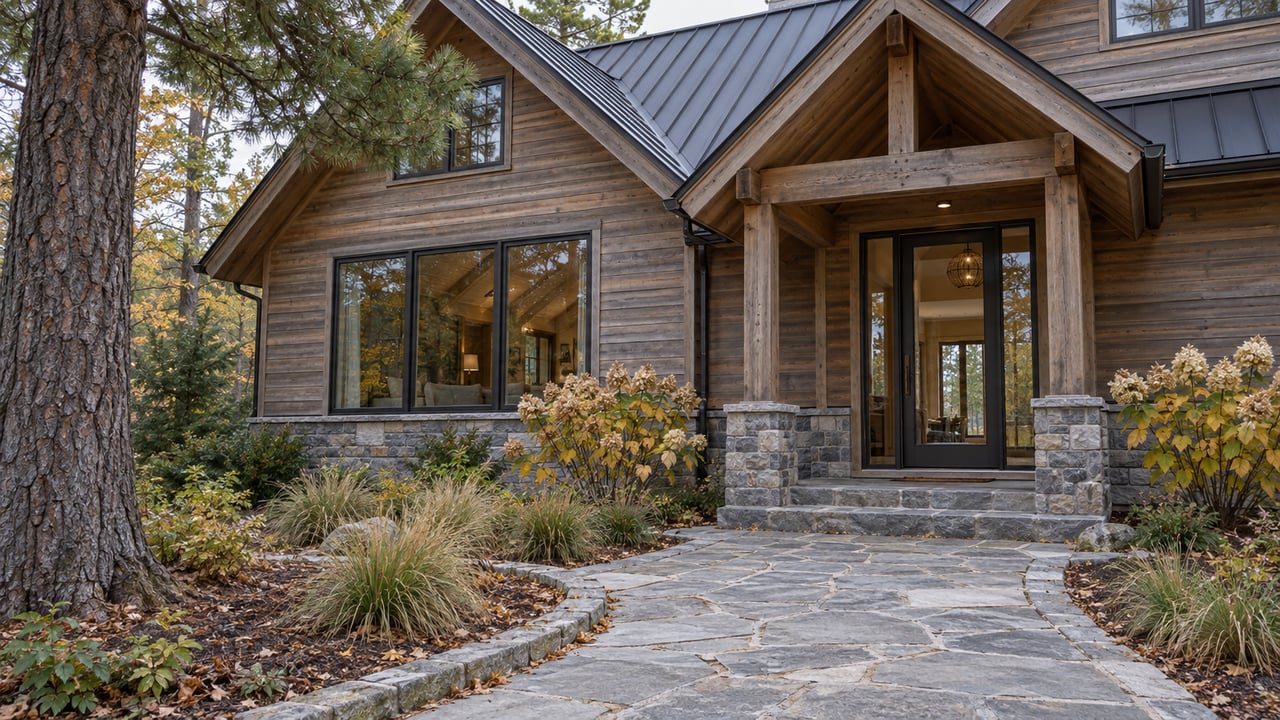
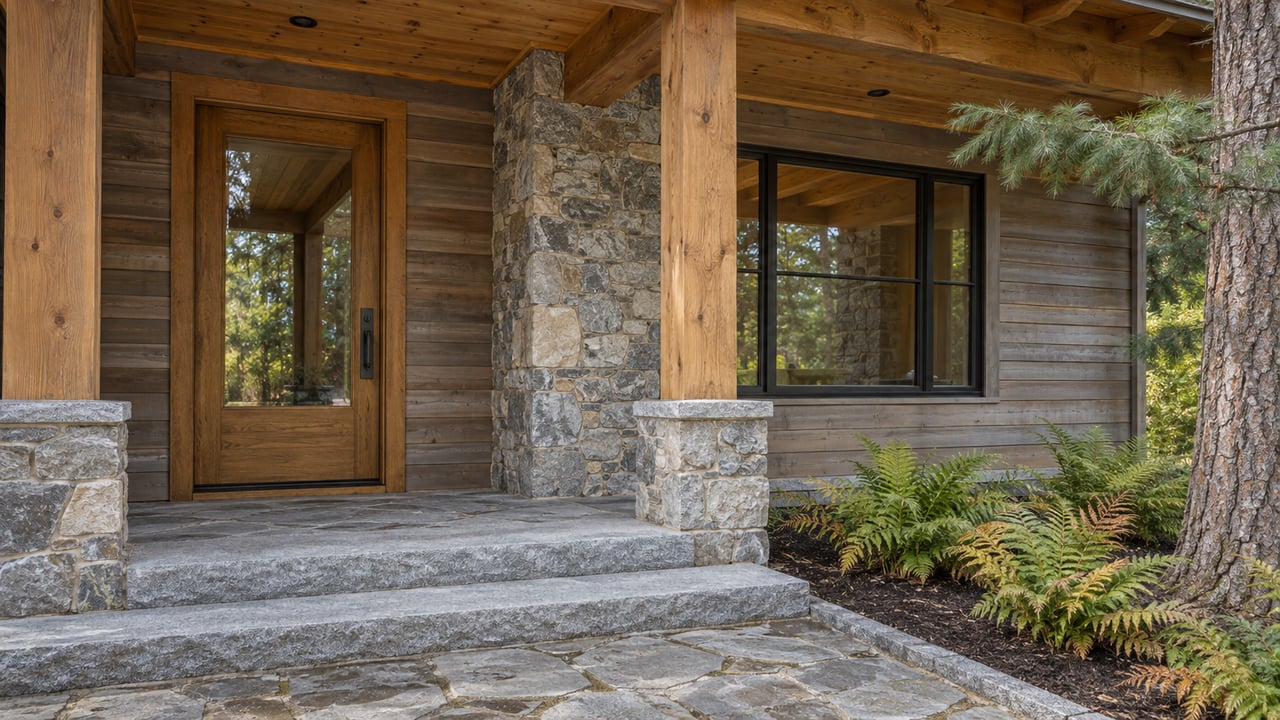
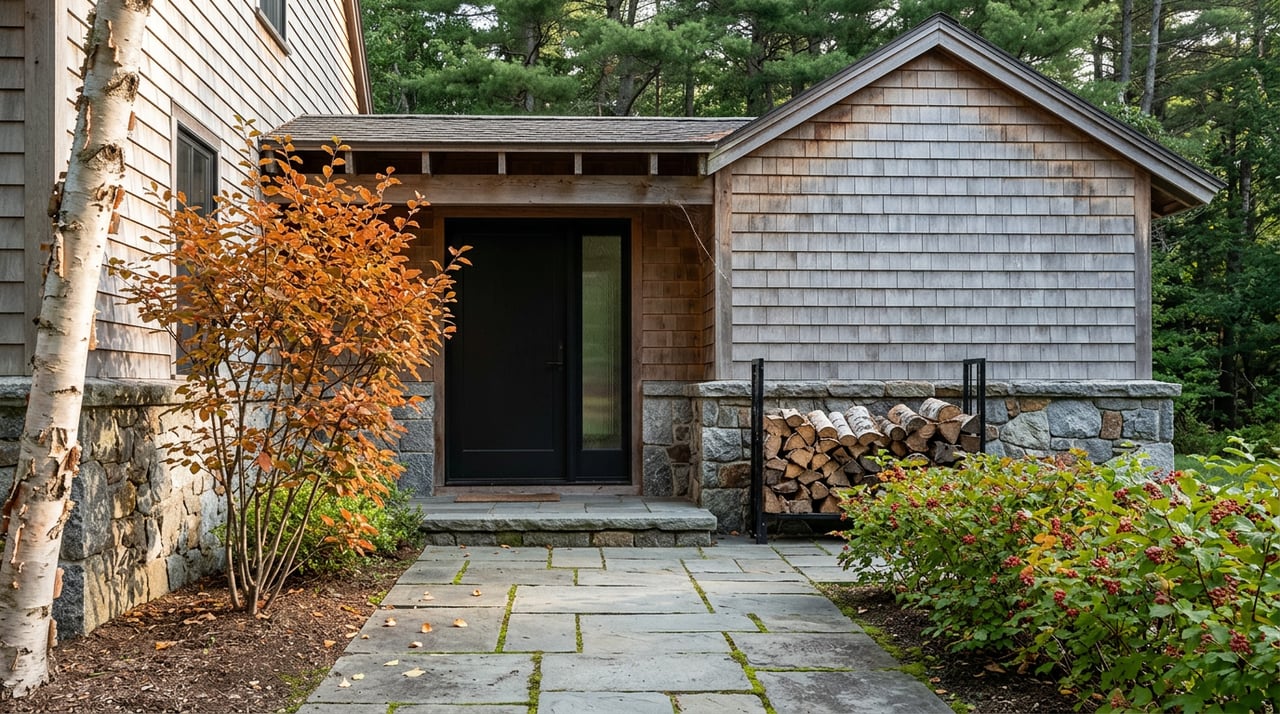
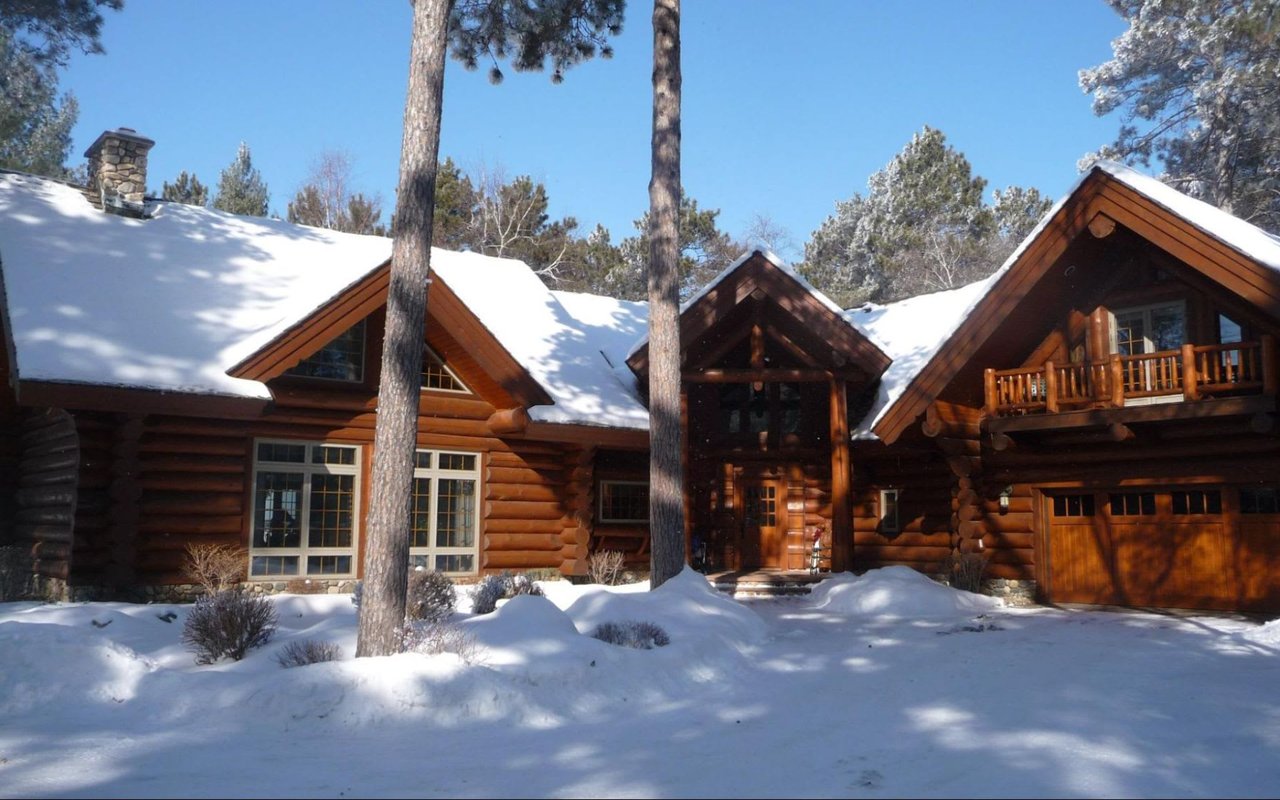
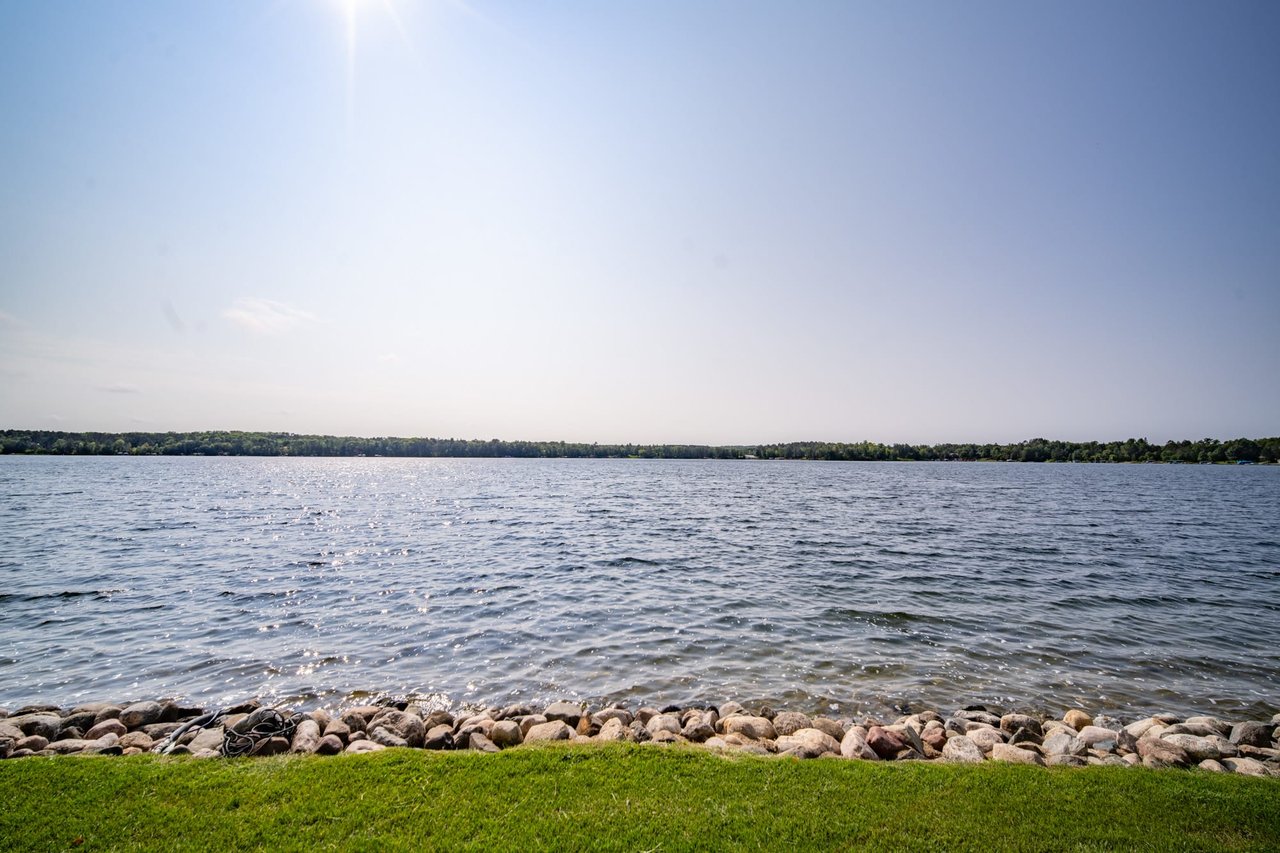
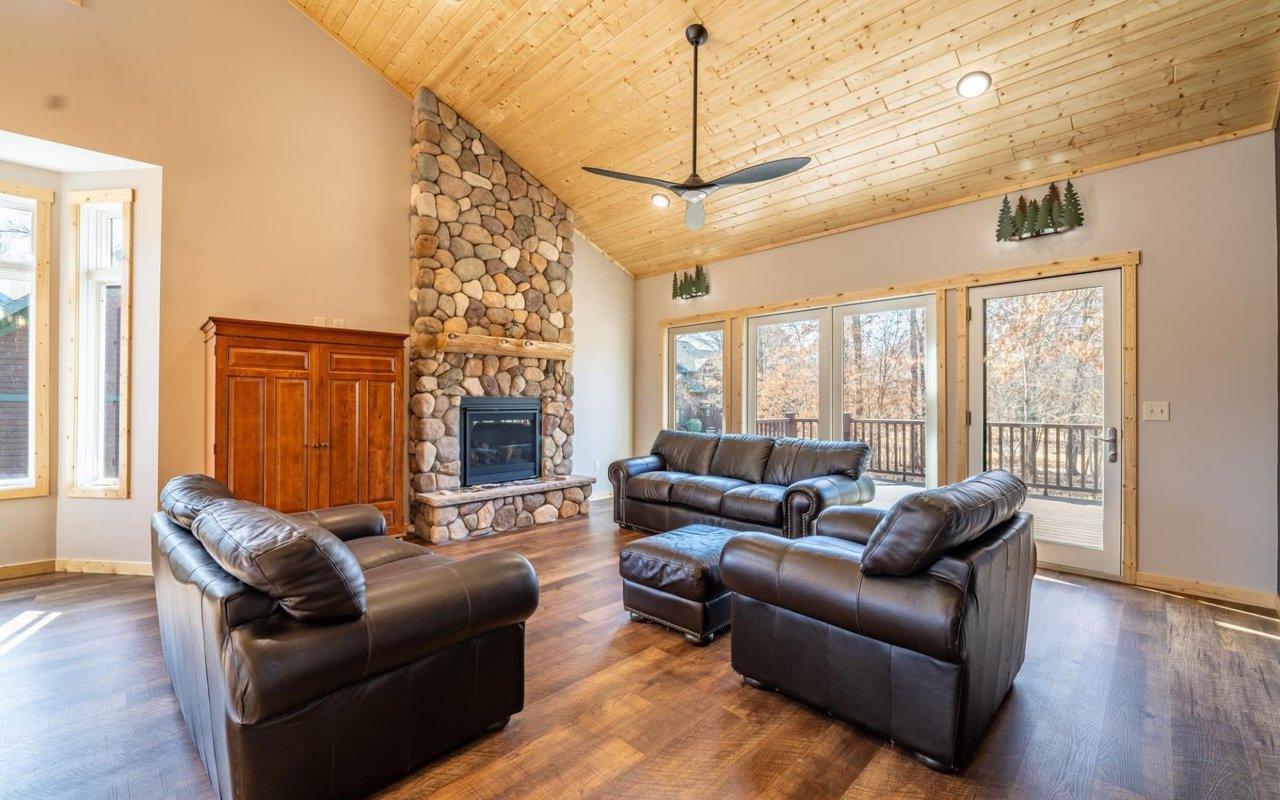
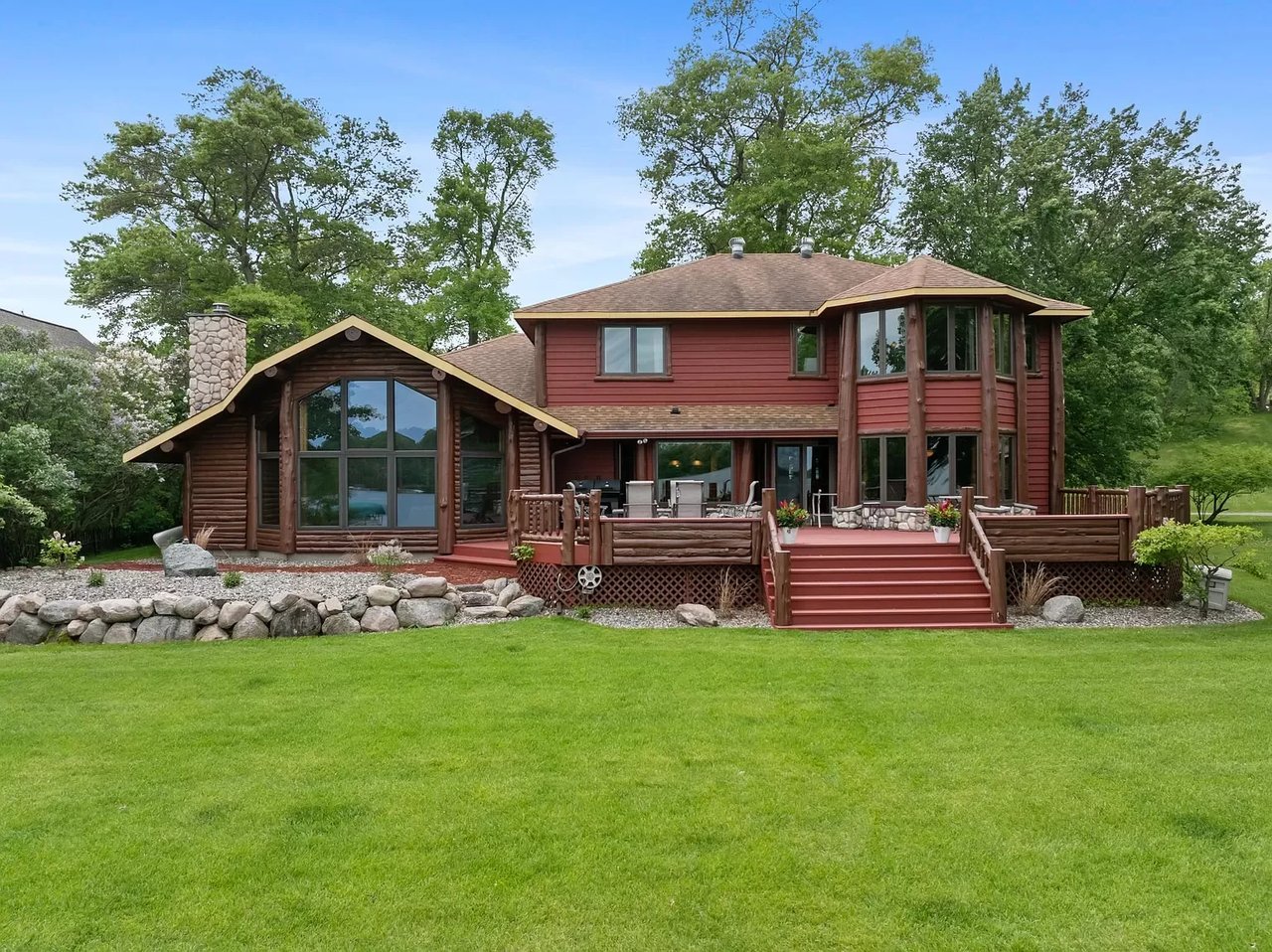
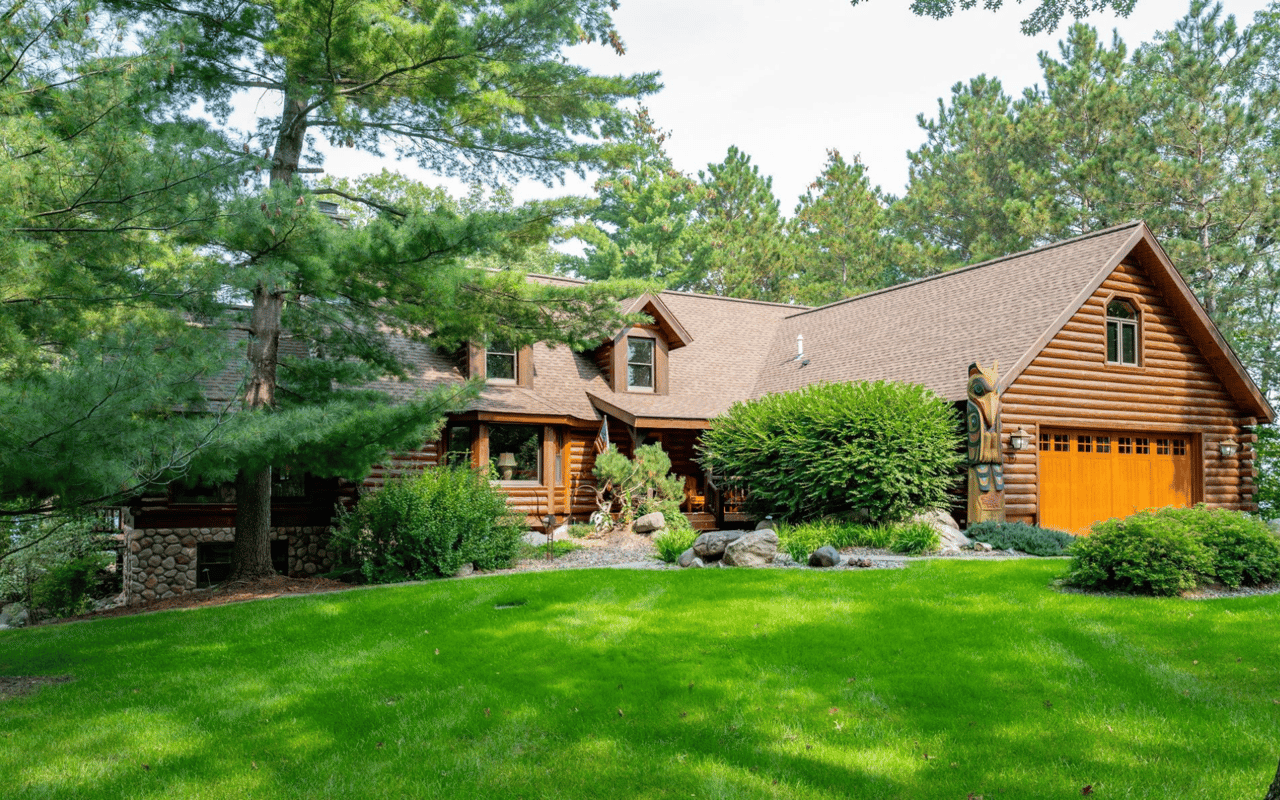
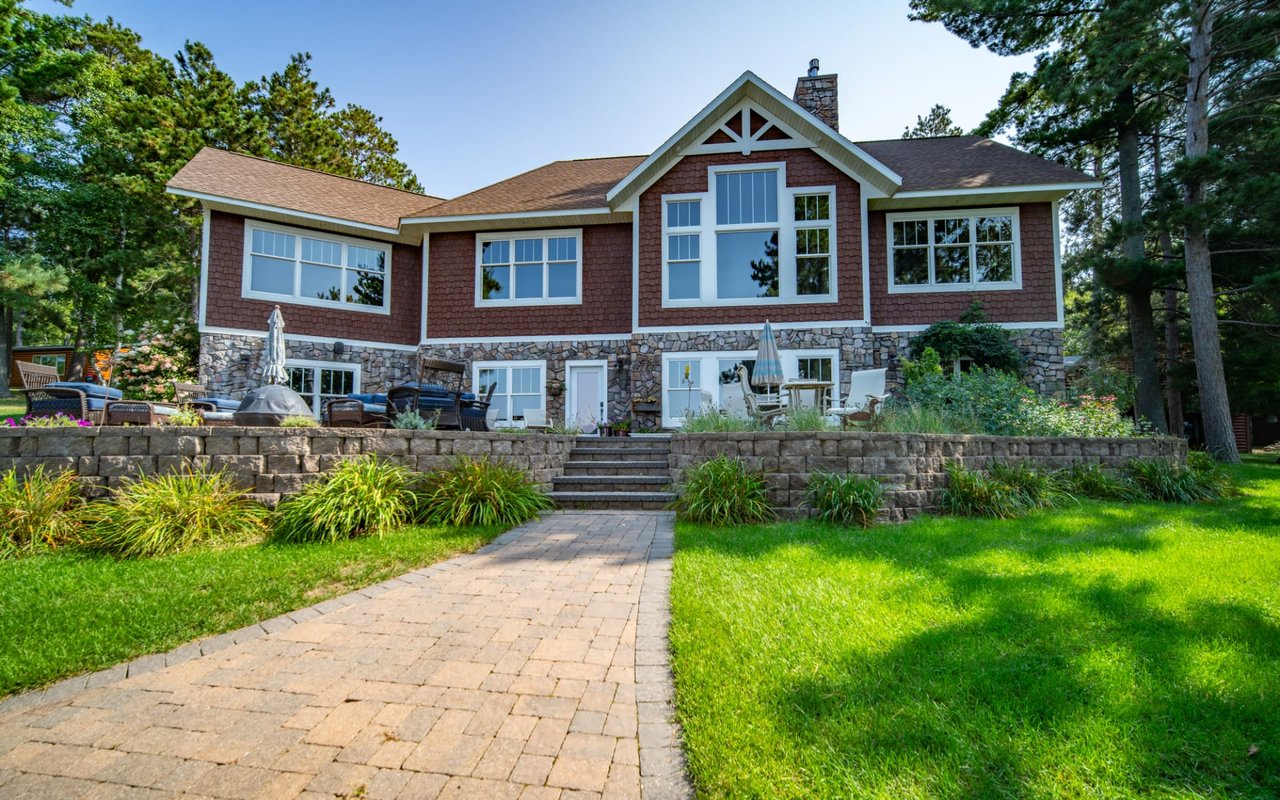
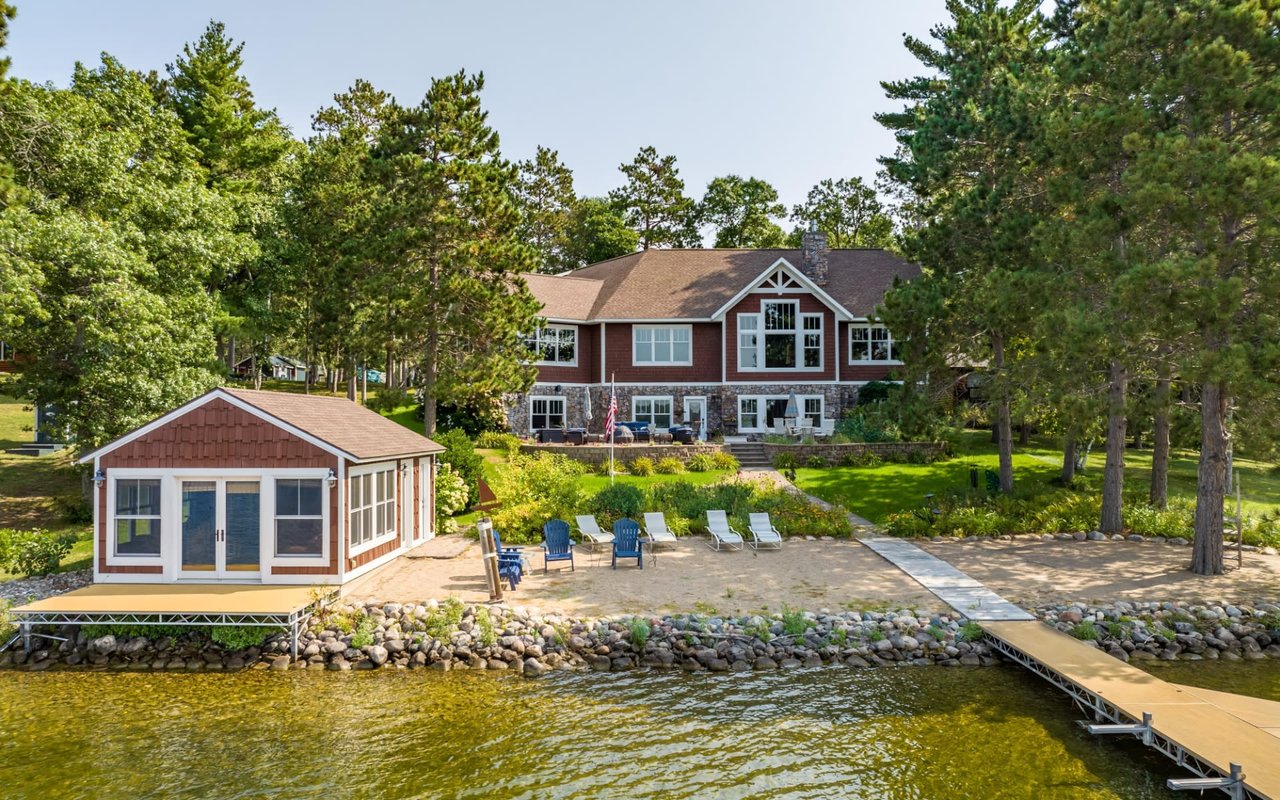
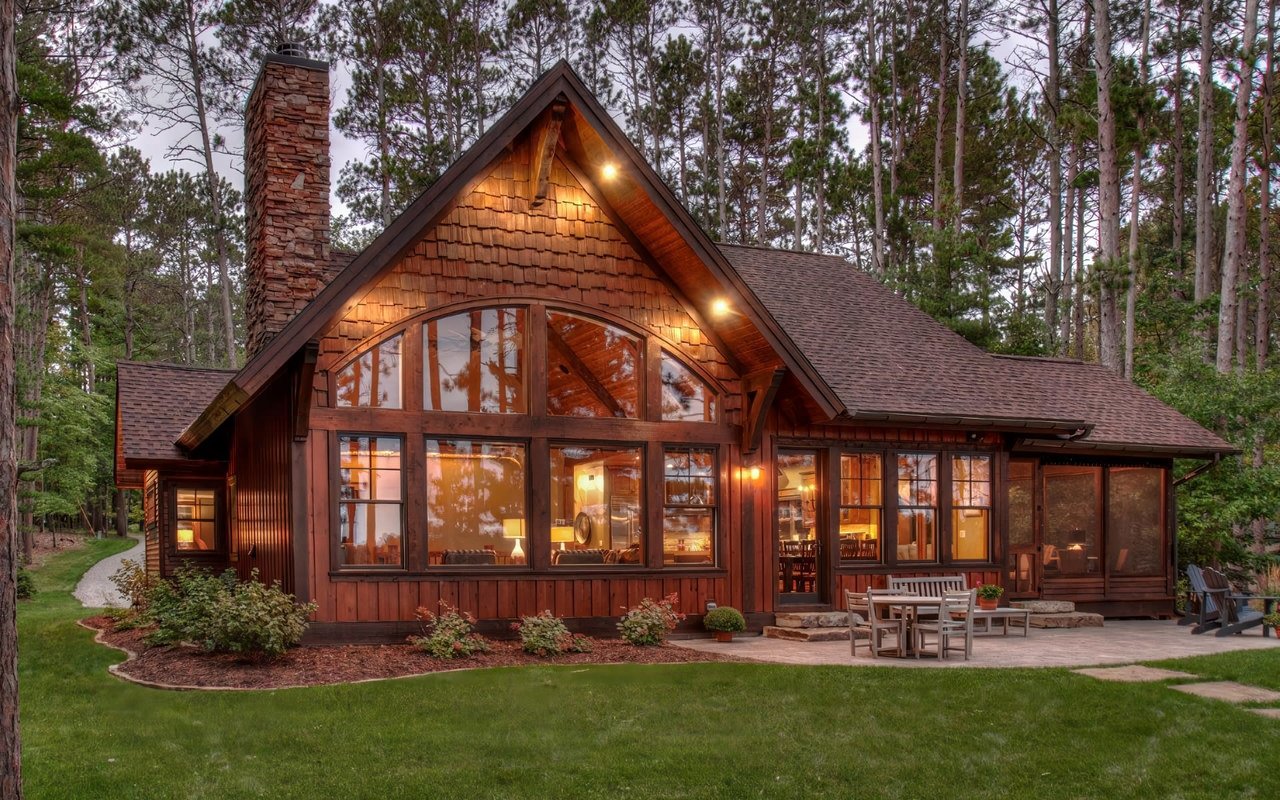
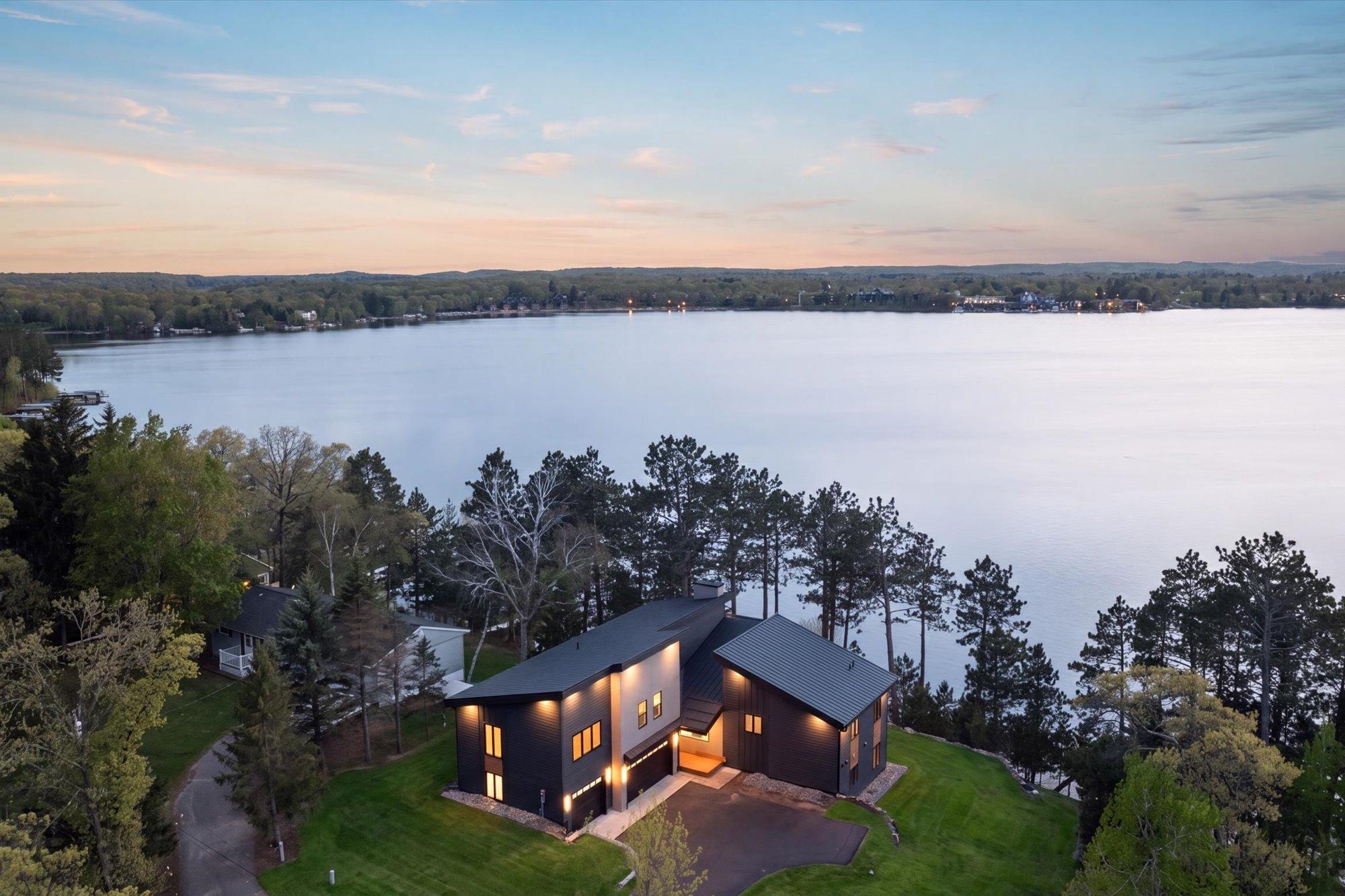
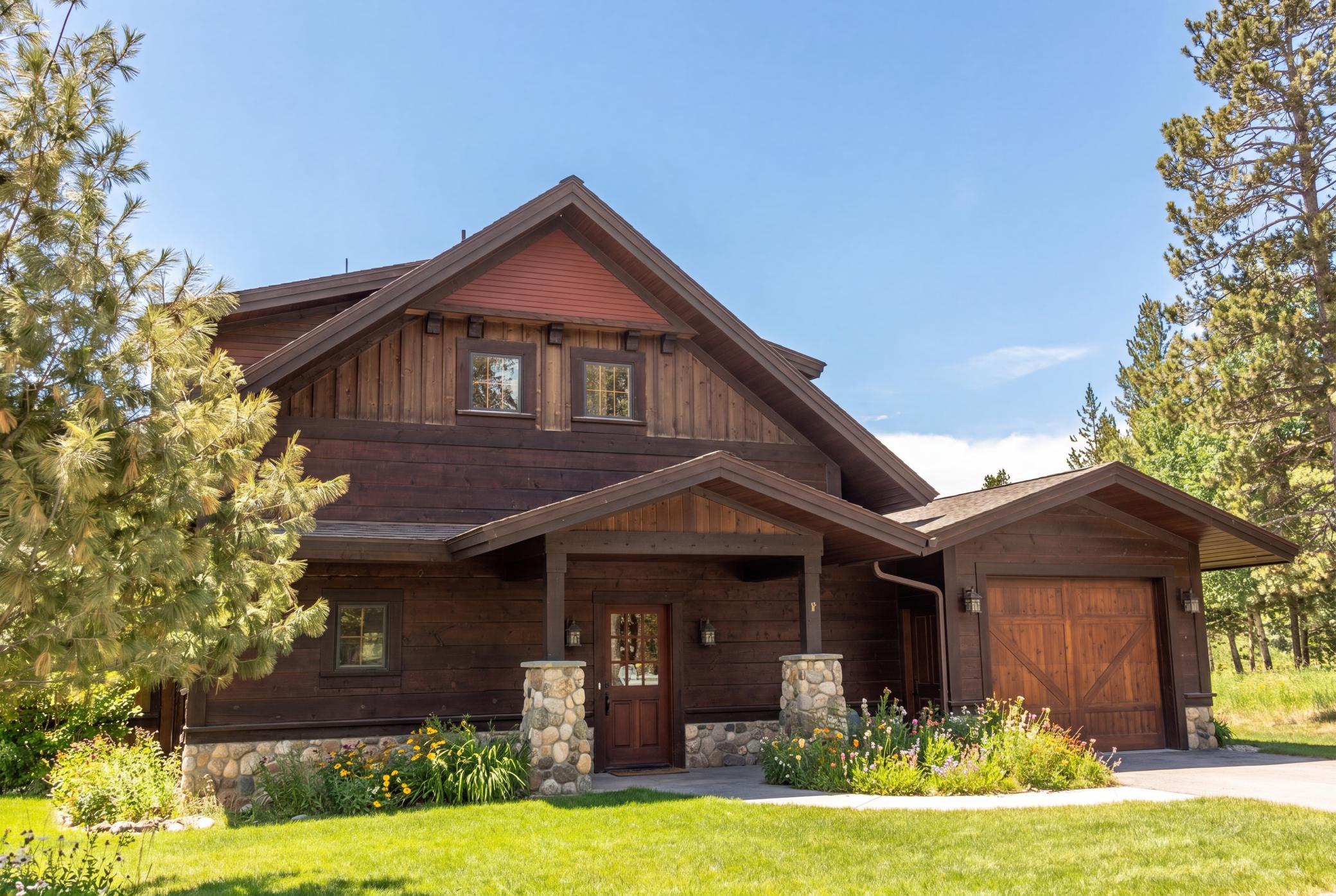
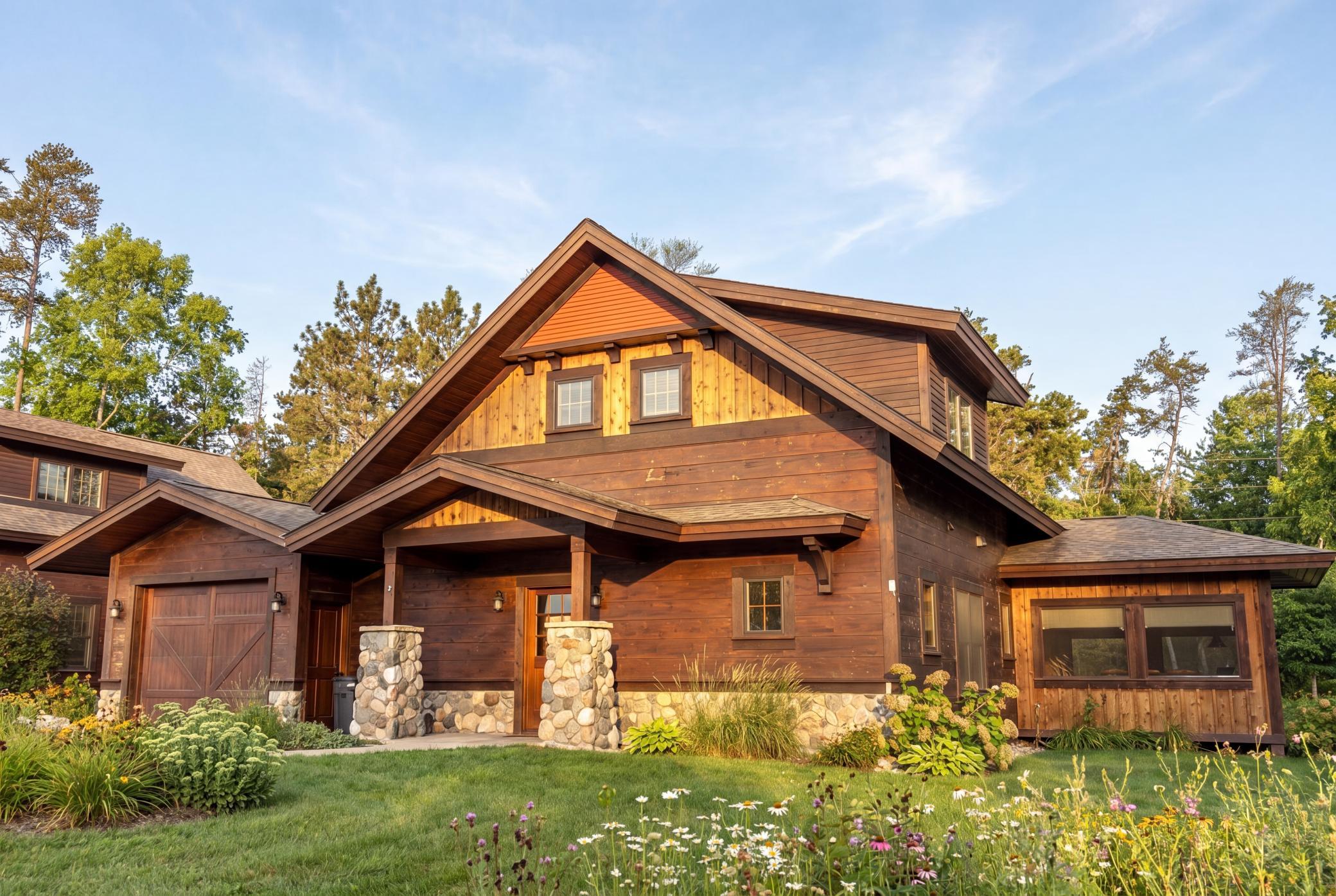
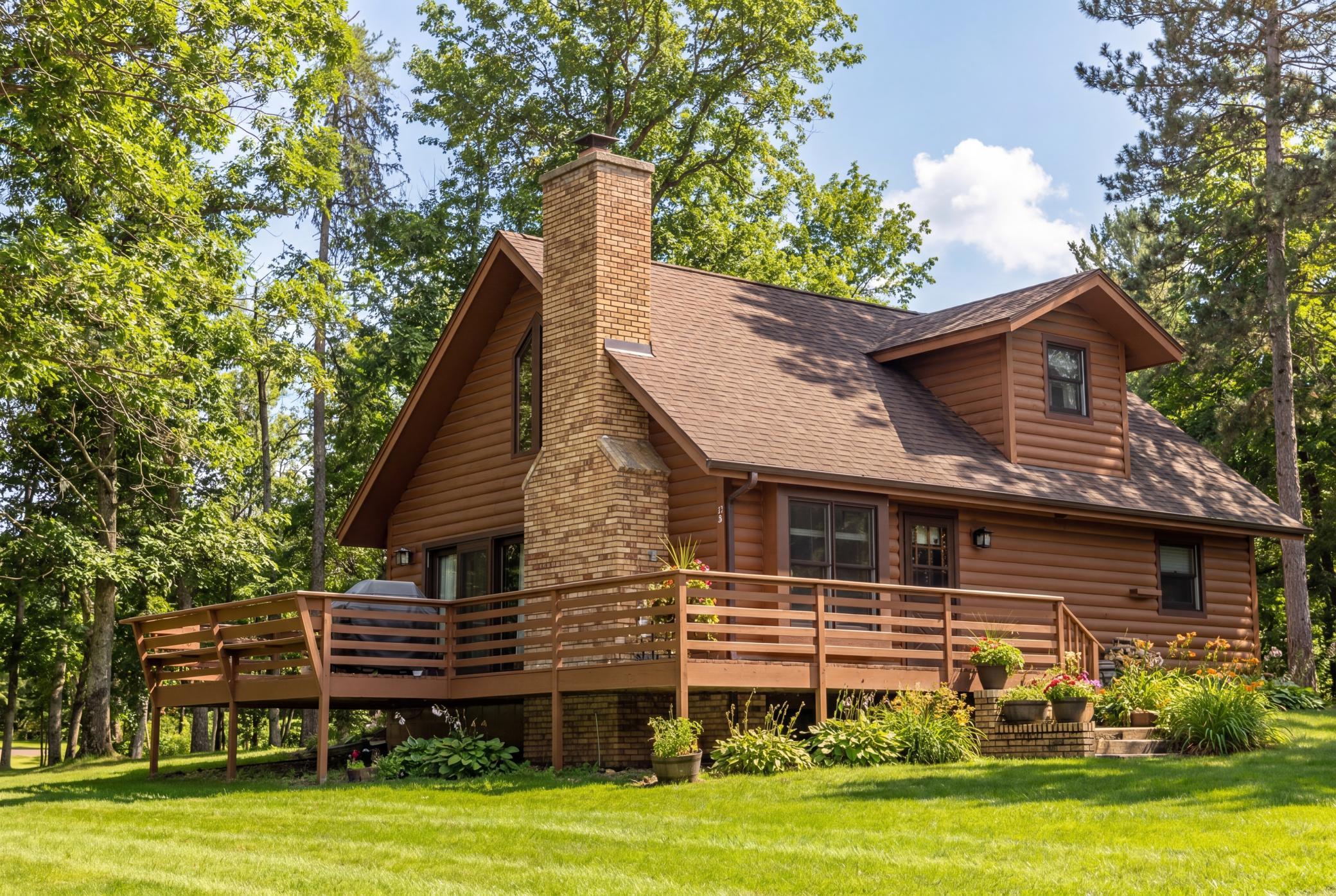
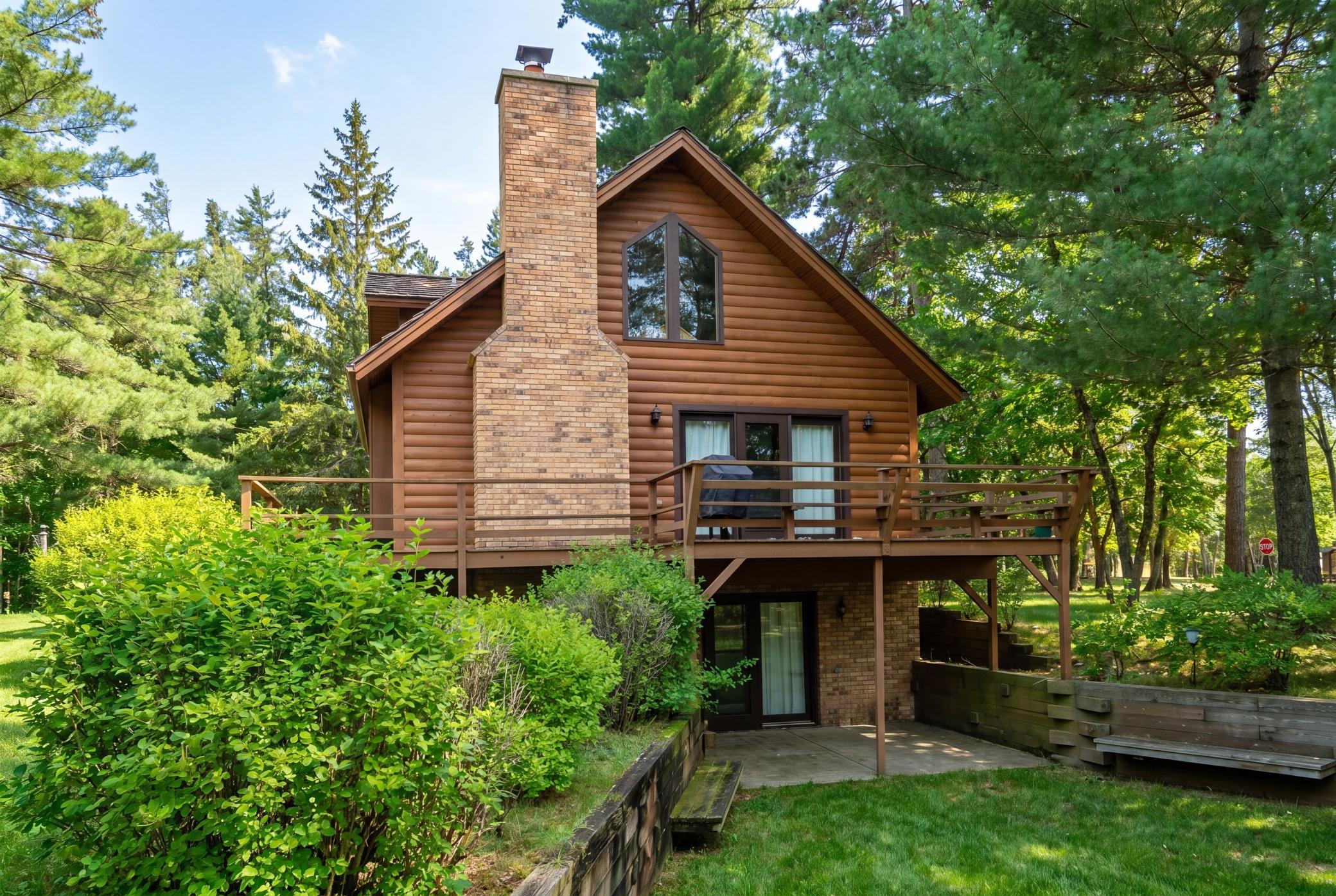
Thinking about buying a cabin in Pequot Lakes or Ideal Township? It is easy to fall for the water views, dock potential, and Northwoods charm, but in this part of Crow Wing County, a cabin search is also a shoreland search. If you want to avoid surprises and buy with confidence, it helps to understand how lake classification, zoning, septic, wells, and permit history can affect the property you choose. Let’s dive in.
Why this cabin market is different
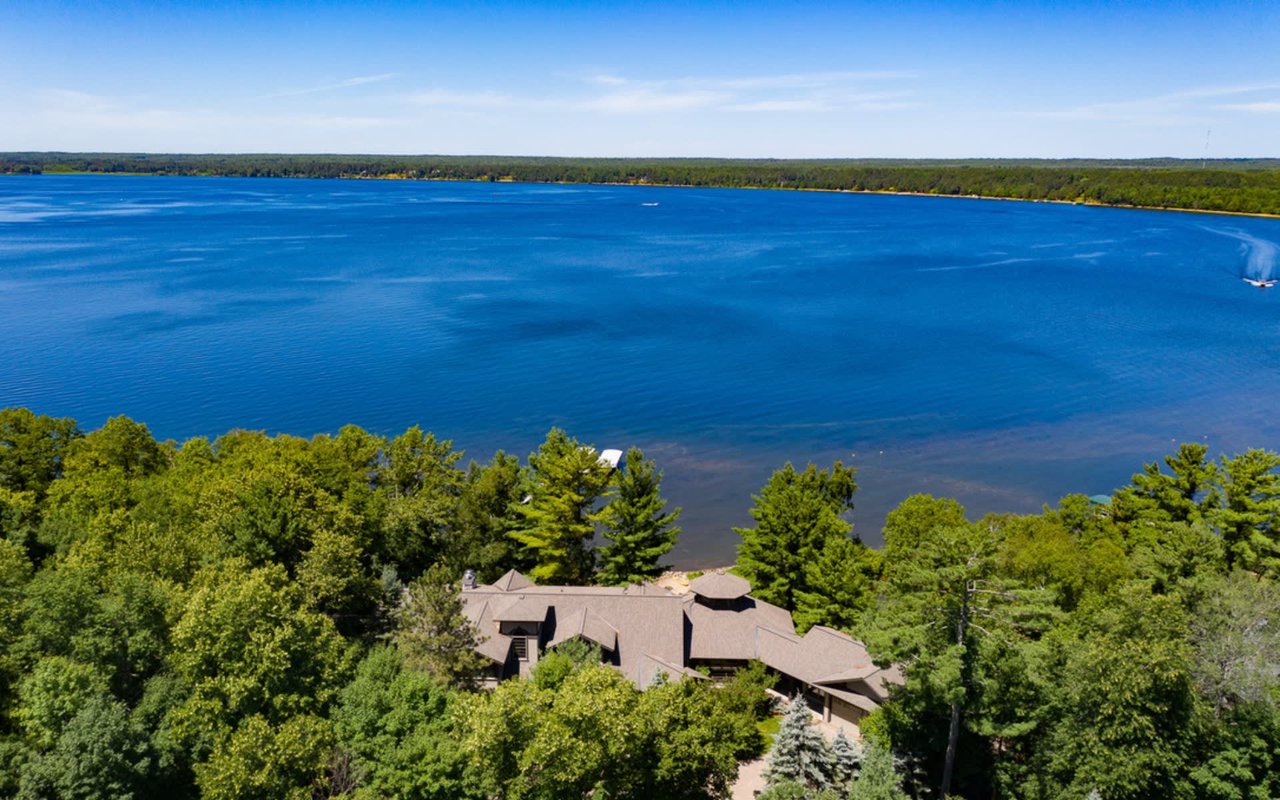
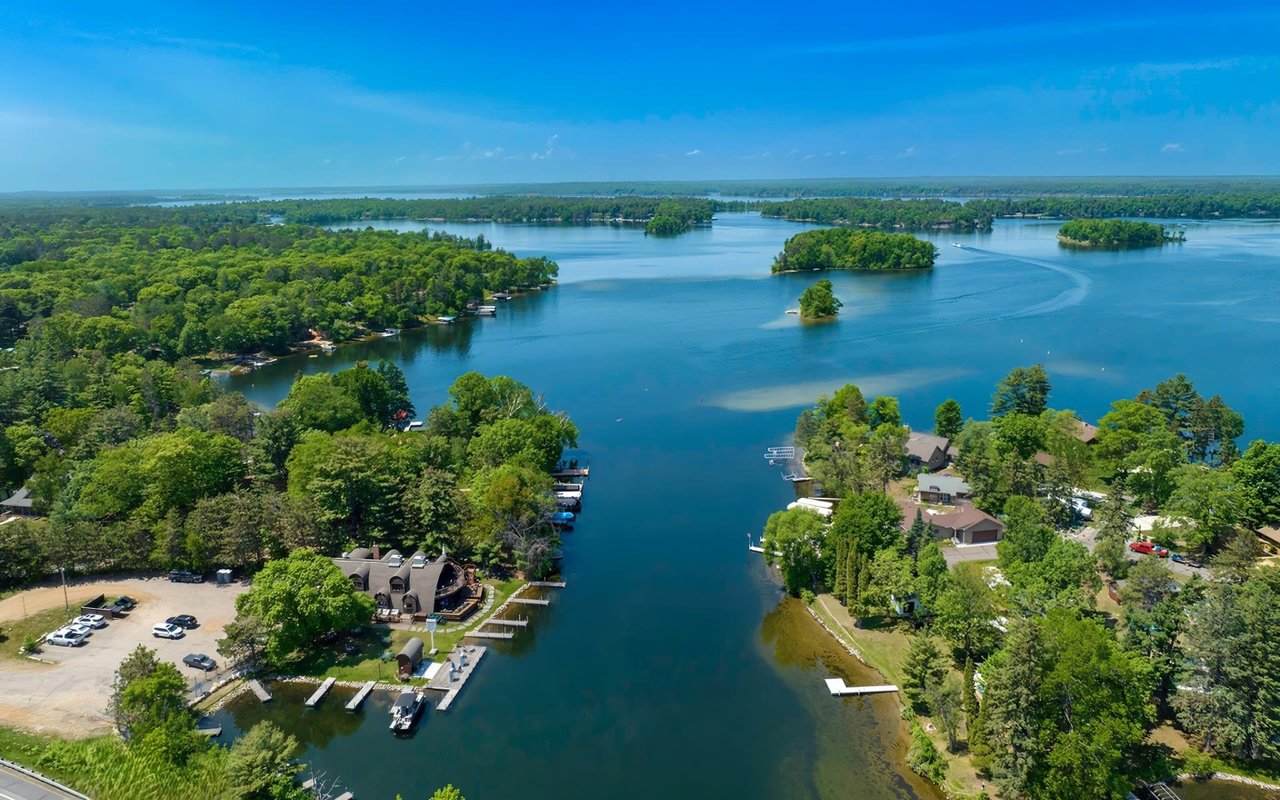
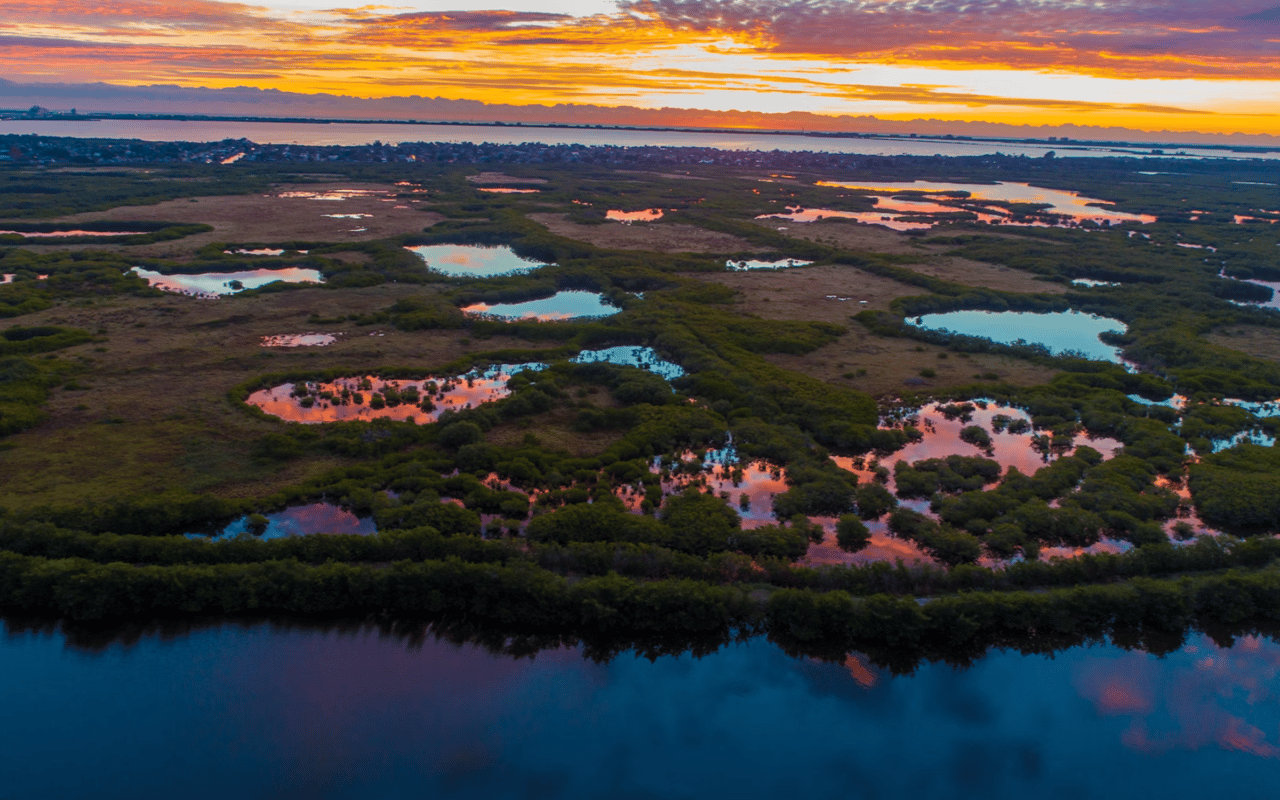
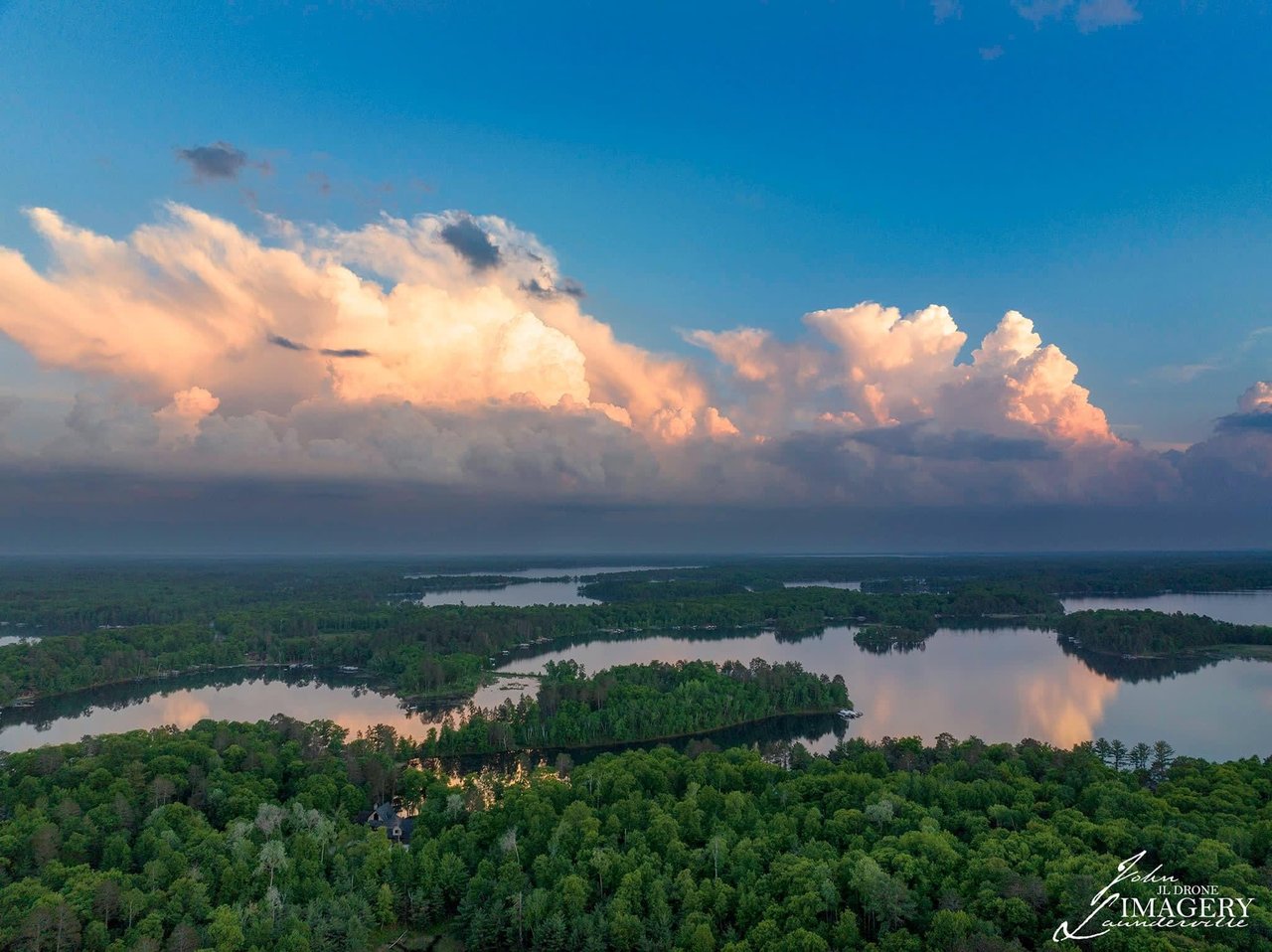
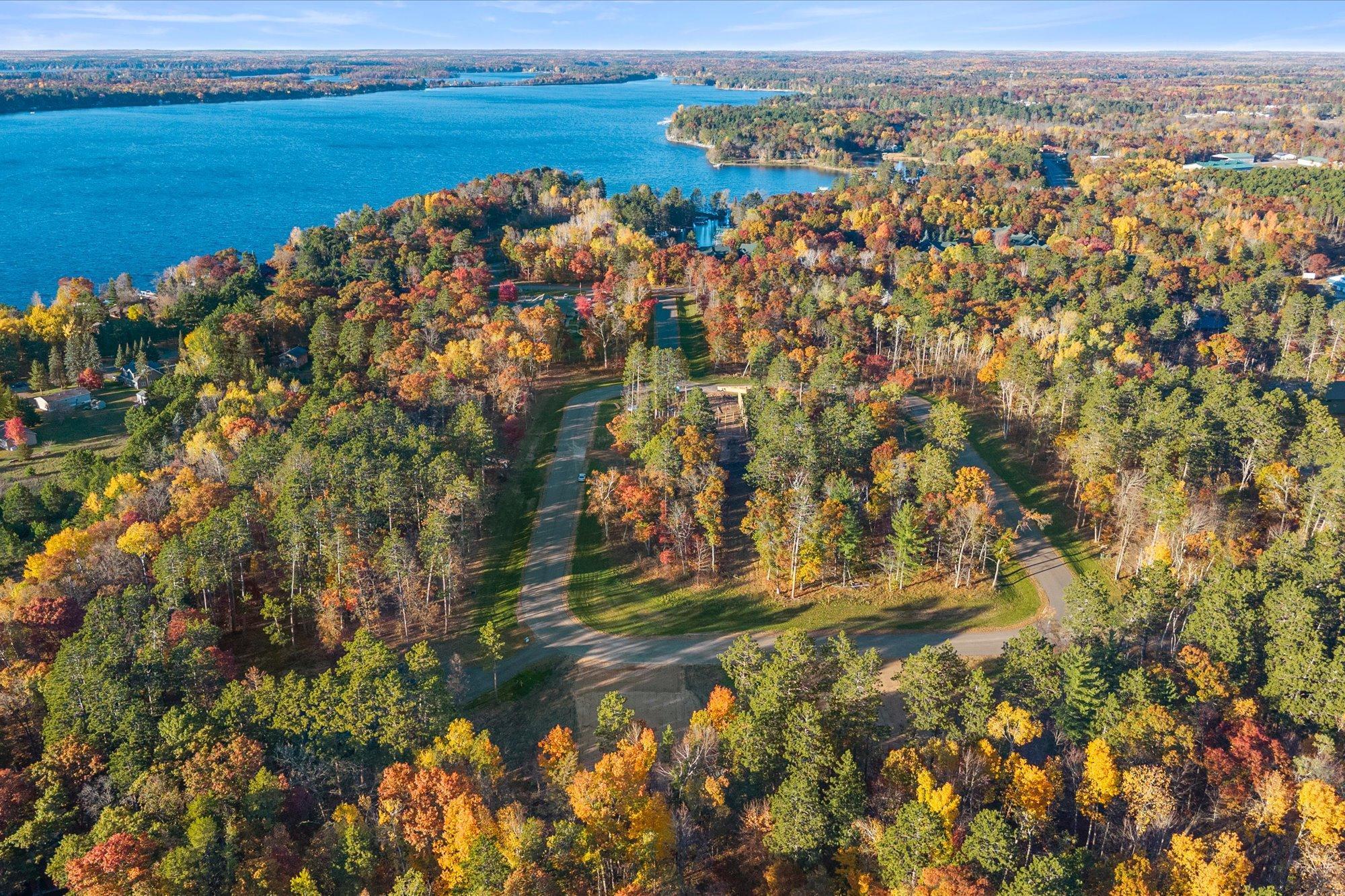
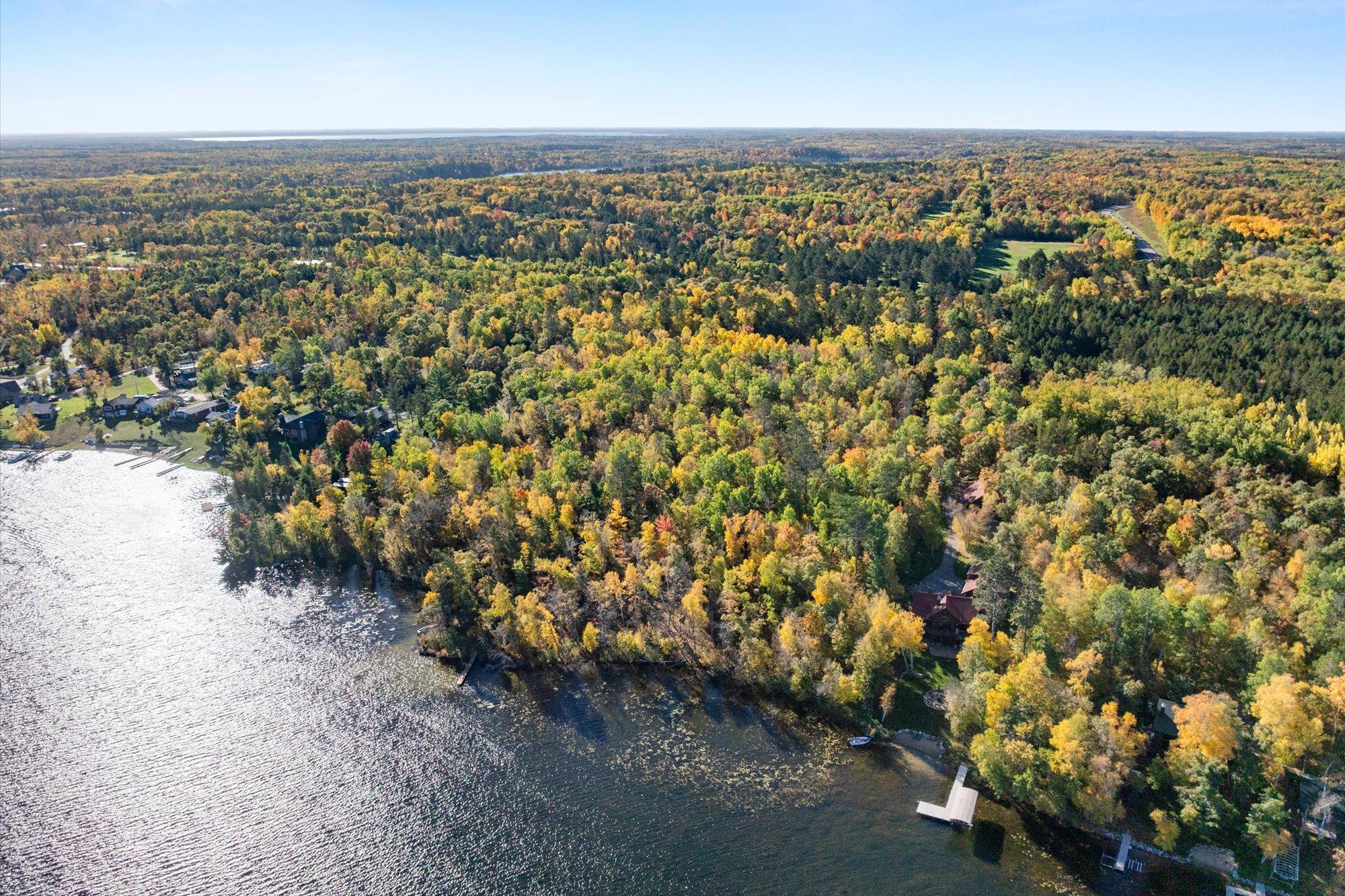
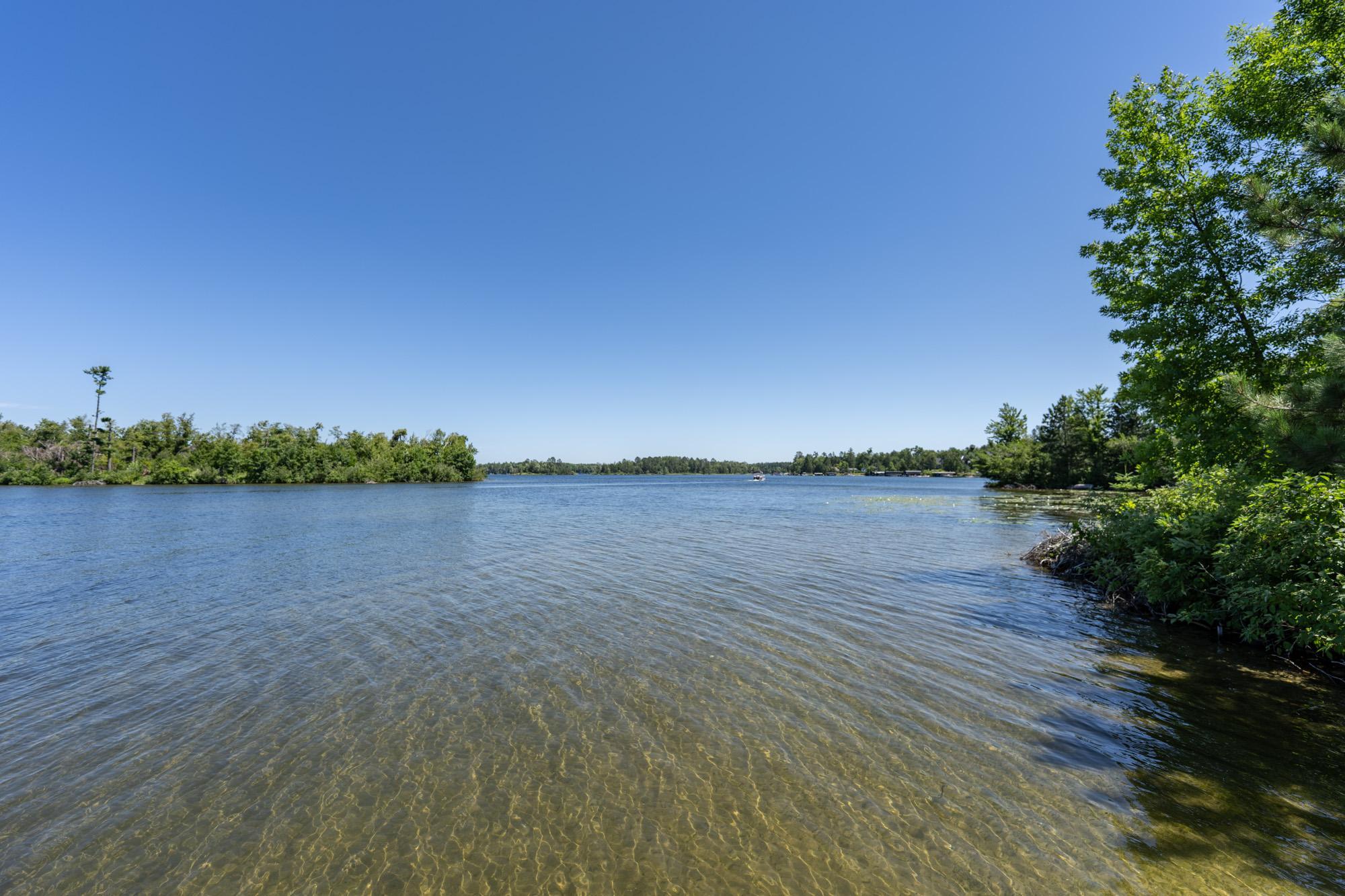
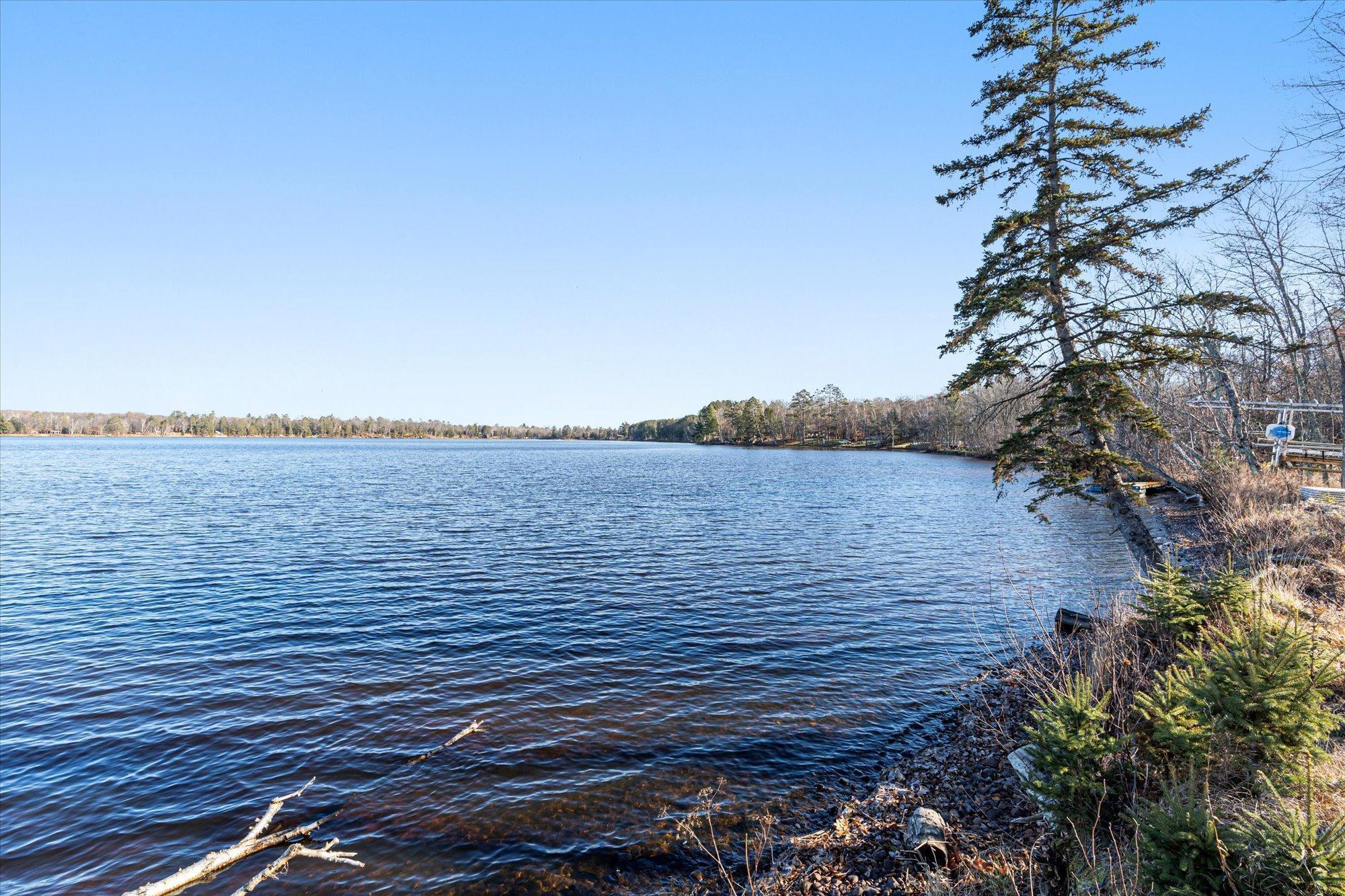
Pequot Lakes and Ideal Township sit in one of the most water-oriented parts of Crow Wing County. The county reports more than 400 lakes, 75 rivers, and over 2,000 miles of shoreline, so waterfront property is a major part of the local market.
That also means rules around shoreland matter more here than they might in other places. Crow Wing County defines its shoreland zone as 1,000 feet from a lake and 300 feet from a stream, which creates a wider zone of review than many buyers expect.
If you are comparing cabins in these two areas, governance matters too. Ideal Township planning and zoning requests are handled under Crow Wing County with township review before county hearings, while the City of Pequot Lakes has its own Shoreland Overlay District adopted in 2025.
In Pequot Lakes, that overlay district follows Minnesota Shoreland Model Ordinance standards and can be more restrictive than the underlying zoning. In plain terms, two cabins that look similar online may come with very different rules once you look at the parcel details.
Start with location and lake class
Before you focus on finishes or whether the porch faces sunset, confirm exactly where the property sits. A cabin inside the City of Pequot Lakes may be subject to different shoreland standards than a cabin in Ideal Township under county review.
Next, verify the lake classification. This step matters because setback and lot-size rules are tied to whether the water is classified as General Development, Recreational Development, or Natural Environment.
Pequot Lakes identifies Middle Cullen, Lower Cullen, Sibley, East Twin, Mayo, and West Twin as General Development lakes. Upper Cullen is Recreational Development, while Rice, Cloverleaf, and Lund or unnamed waters are Natural Environment.
That classification can shape what you can do with the lot now and later. It affects setbacks, width requirements, and how much flexibility you may have for additions, rebuilding, or shoreline improvements.
Understand lot size and setbacks
One of the biggest cabin-buying mistakes is assuming the whole parcel is equally usable. In Crow Wing County shoreland districts, only land above the ordinary high-water level counts toward lot area and buildable area.
That can make a lot feel larger in a listing than it functions on paper. If you are picturing a new garage, larger deck, guest space, or expanded lakeside patio, the legal buildable area matters more than the gross lot size.
Here is a quick look at minimum riparian lot standards for single-family properties in shoreland areas:
Lake class | Minimum lot area | Minimum lot width | Structure setback from ordinary high-water level |
|---|---|---|---|
General Development | 30,000 sq. ft. | 100 ft. | 75 ft. |
Recreational Development | 40,000 sq. ft. | 150 ft. | 100 ft. |
Natural Environment | 80,000 sq. ft. | 200 ft. | 150 ft. |
Crow Wing County also applies additional setbacks for bluffs, roads, property lines, wetlands, and septic components. So even small projects can need closer review than buyers expect.
Shoreline changes are often regulated
Many buyers picture trimming trees for a bigger lake view or reshaping the yard for easier access to the dock. In this market, those changes may require approval.
The Minnesota DNR states that limited clearing and trimming may be allowed in shore impact and bluff zones, but vegetation near the shore should generally be preserved to help reduce erosion and protect water quality. Crow Wing County also requires permits for most dirt moving and vegetation alteration in shoreland zones, especially within the building setback to public water.
That includes projects buyers sometimes think of as minor, such as walkways, patios, sheds, landscaping, vegetation removal, and certain grading work. If a cabin has already had shoreline work done, it is smart to ask whether permits were pulled and whether the work matches the approved plan.
Cabin systems deserve close review
Cabins in Pequot Lakes and Ideal Township can be seasonal, winterized, or set up for year-round living. Crow Wing County’s shoreland district allows both seasonal and year-round single-family residential use, which fits what many buyers see across the Brainerd Lakes area.
Utility setups vary by property. In Pequot Lakes, municipal sewer and water may or may not be available depending on location, so private septic systems and private wells are common due diligence items.
This is one reason local cabin buying is not just about style and shoreline. A beautifully updated property can still require deeper review if the septic, well, or older improvements raise questions.
Septic inspections matter in Crow Wing County
Septic should be one of your first questions, not one of your last. Crow Wing County requires a compliance inspection for property transfers unless an exception applies, such as a recent inspection within the last three years, a septic installation within the last five years, or a valid operating permit.
The county also notes that a septic system can fail even if it seems to work normally day to day. For buyers, that means you should ask for the compliance inspection, maintenance records, and the date of the last pumping.
If you plan to make improvements that require shoreland permits, evidence of septic maintenance such as pumping receipts may also come into play. And if you are buying a cabin for colder-weather use, freezing risk is worth asking about too.
Well disclosures are not the same as water testing
Well information is another area where buyers sometimes assume more than the paperwork actually says. The Minnesota Department of Health requires a well disclosure statement to be made available before a purchase agreement is signed, and a well disclosure certificate must be filed to record the deed.
That said, Minnesota does not require private well water testing or a well inspection at transfer. The state recommends annual testing for coliform bacteria and nitrate, plus at least one test each for arsenic, lead, and manganese.
So if a seller says the well is in use, treat that as a starting point, not a final answer. Ask for recent water test results and consider what additional testing may make sense for your comfort level.
Permit history can tell you a lot
Older cabins often evolve over time. A small original cabin may have gained an addition, updated shoreline stairs, a shed, detached garage, or a reworked footprint over the years.
Crow Wing County gives property owners and buyers useful tools for checking this history. The county says you can review property land-use classification through its GIS map, look at previous permits on a parcel, apply for land-use permits online, and request site visits.
For a buyer, this can help answer important questions before closing. Were past improvements permitted? Does the current setup align with local rules? Are there older features near the water that could limit future plans?
A smart pre-tour checklist
If you are touring cabins in Pequot Lakes or Ideal Township, bring a due diligence mindset from day one. A little homework early can save time, money, and frustration later.
Use this checklist as you narrow your options:
- Confirm whether the property is inside the City of Pequot Lakes or in Ideal Township.
- Verify the lake classification, since that drives lot-size and setback standards.
- Ask for the septic compliance inspection, maintenance records, and last pumping date.
- Ask for the well disclosure certificate and any recent water test results.
- Ask whether additions, sheds, shoreline work, walkways, or vegetation removal were permitted.
- Review permit history and parcel classification through Crow Wing County tools.
- Ask how the shoreline has been maintained, especially if there has been clearing, grading, or landscaping.
- Ask whether the cabin is fully winterized and what freeze-protection steps have been used for the water and septic systems.
What this means for your cabin search
The right cabin in Pequot Lakes or Ideal Township can be an incredible fit for your weekends, summers, or year-round plans. But here, the smartest buyers know that lifestyle and regulation go hand in hand.
The best approach is to look beyond the photos and ask practical questions early. Shoreland zoning, lake classification, septic compliance, well history, and permit records can all shape how you use the property now and what options you have later.
That is where local guidance can make a real difference. In a market with so many lakes, micro-locations, and parcel-specific details, experience helps you spot the issues that are easy to miss on a quick showing.
If you are starting your cabin search in Pequot Lakes or Ideal Township, Larson Group can help you sort through the details, compare properties with confidence, and find a place that fits the way you want to live at the lake.
FAQs
What should you check before buying a cabin in Pequot Lakes?
- Confirm whether the property is in the City of Pequot Lakes or under county jurisdiction, verify the lake classification, and review septic, well, and permit records before moving forward.
Why does lake classification matter for cabins in Pequot Lakes?
- Lake classification affects minimum lot size, lot width, and structure setbacks, which can impact future additions, rebuilding, and shoreline improvements.
Do cabin properties in Ideal Township follow the same rules as Pequot Lakes?
- Not always. Ideal Township planning and zoning requests are managed through Crow Wing County with township review, while the City of Pequot Lakes has its own Shoreland Overlay District.
Is a septic inspection required when buying a cabin in Crow Wing County?
- Crow Wing County requires a septic compliance inspection for property transfers unless a listed exception applies, such as a recent inspection, a newer installation, or a valid operating permit.
Do you need water testing when buying a cabin with a private well in Minnesota?
- Minnesota requires well disclosure at transfer, but it does not require private well testing at sale, so buyers should ask for recent test results and consider additional testing.
Can you clear trees or change the shoreline at a lake cabin in Crow Wing County?
- Shoreline clearing, grading, vegetation removal, and similar work are often regulated in shoreland areas, and many projects require permits, especially near the water.