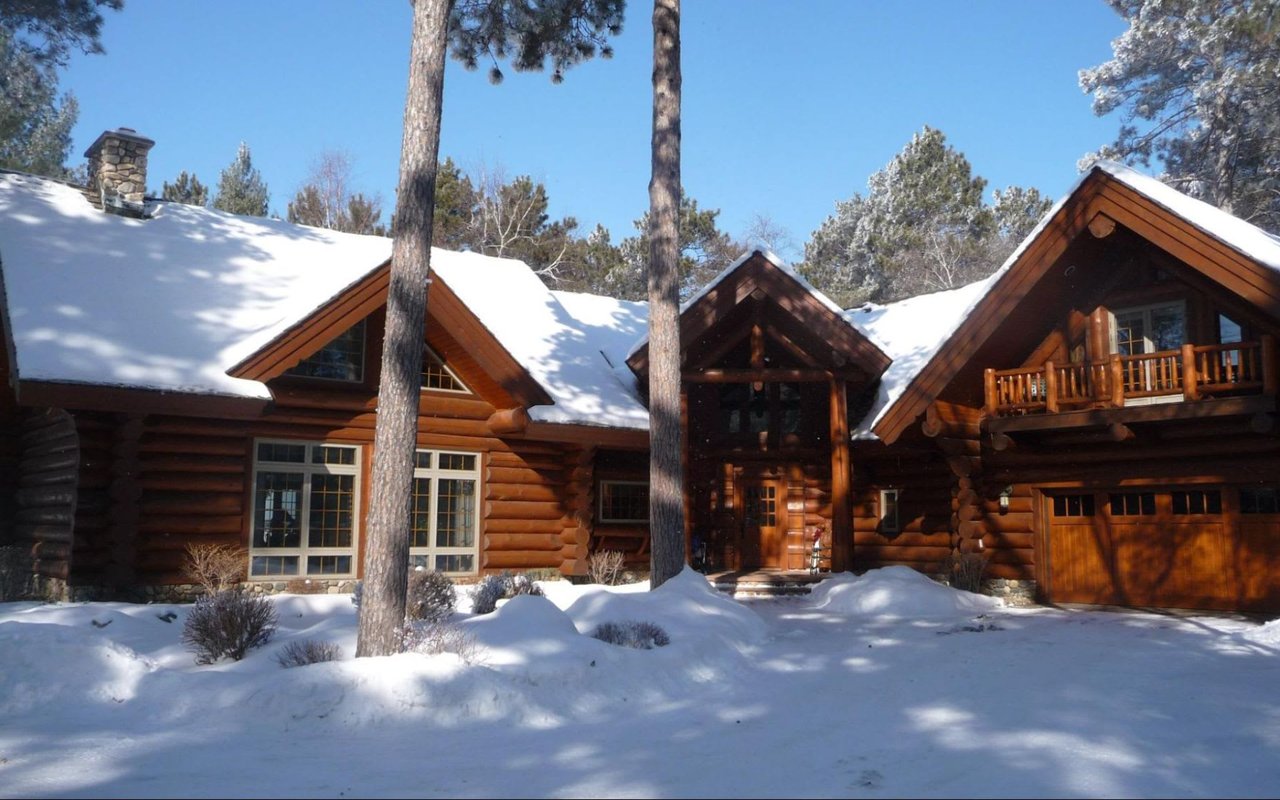
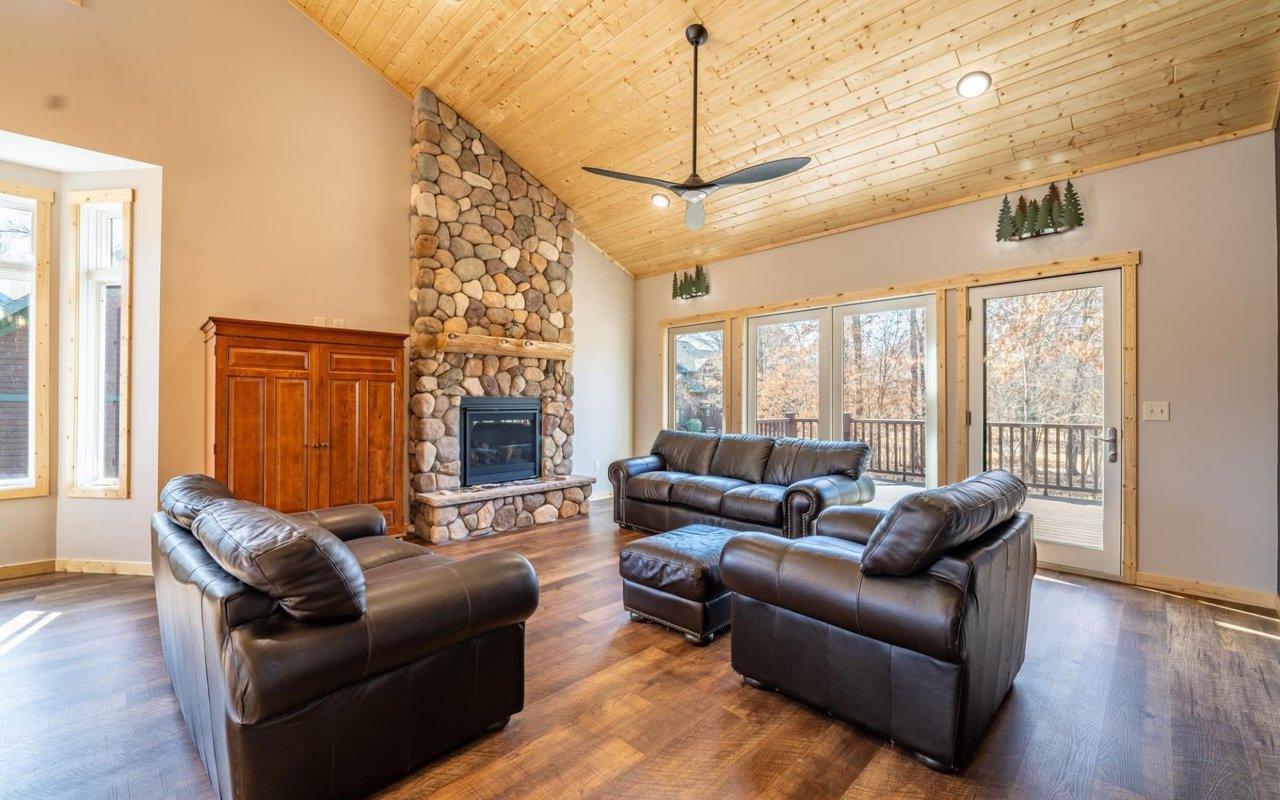
Wondering whether Crosslake lakefront is worth the premium, or if an off-lake home could give you the lifestyle you want for less? It is a smart question in a market built around water, where the right choice depends on how you actually plan to live, relax, and use the property. If you are weighing private shoreline against flexibility, upkeep, and budget, this guide will help you sort through the tradeoffs with a clear local lens. Let’s dive in.
Why this choice matters in Crosslake
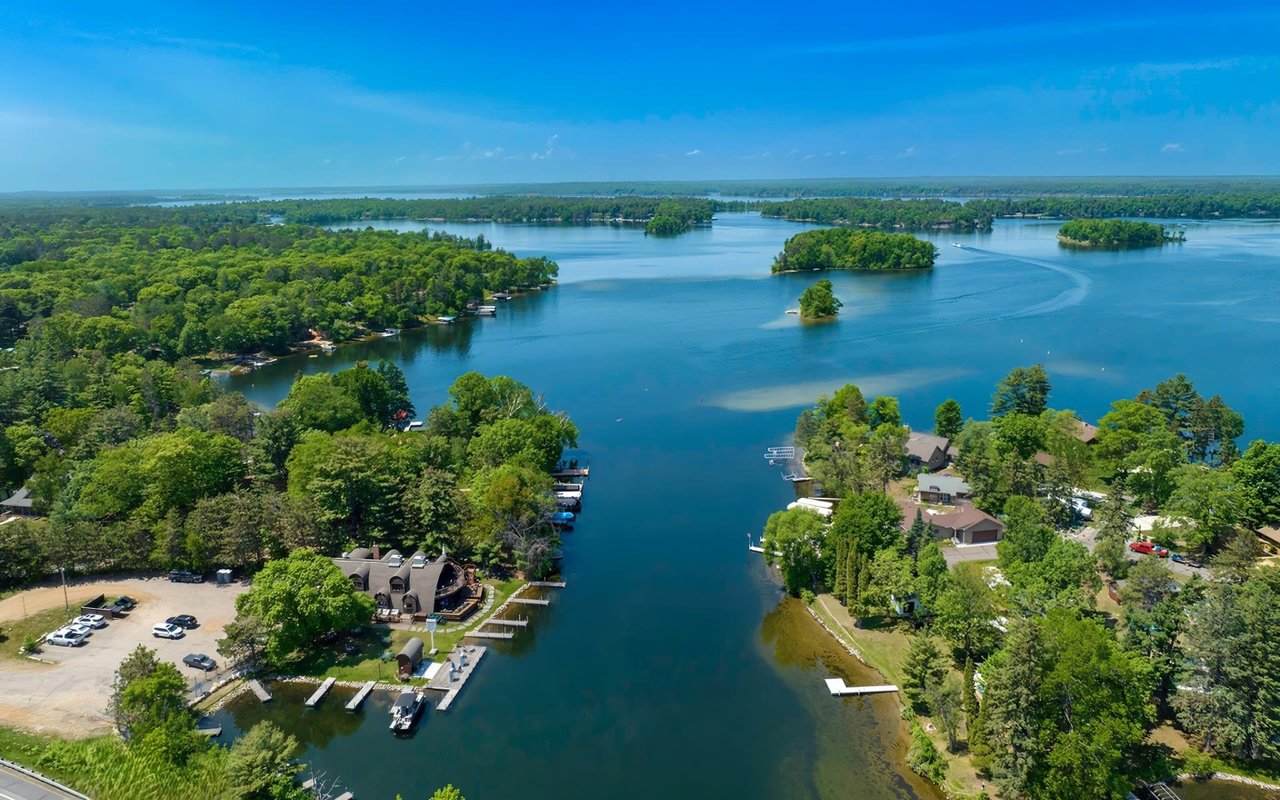
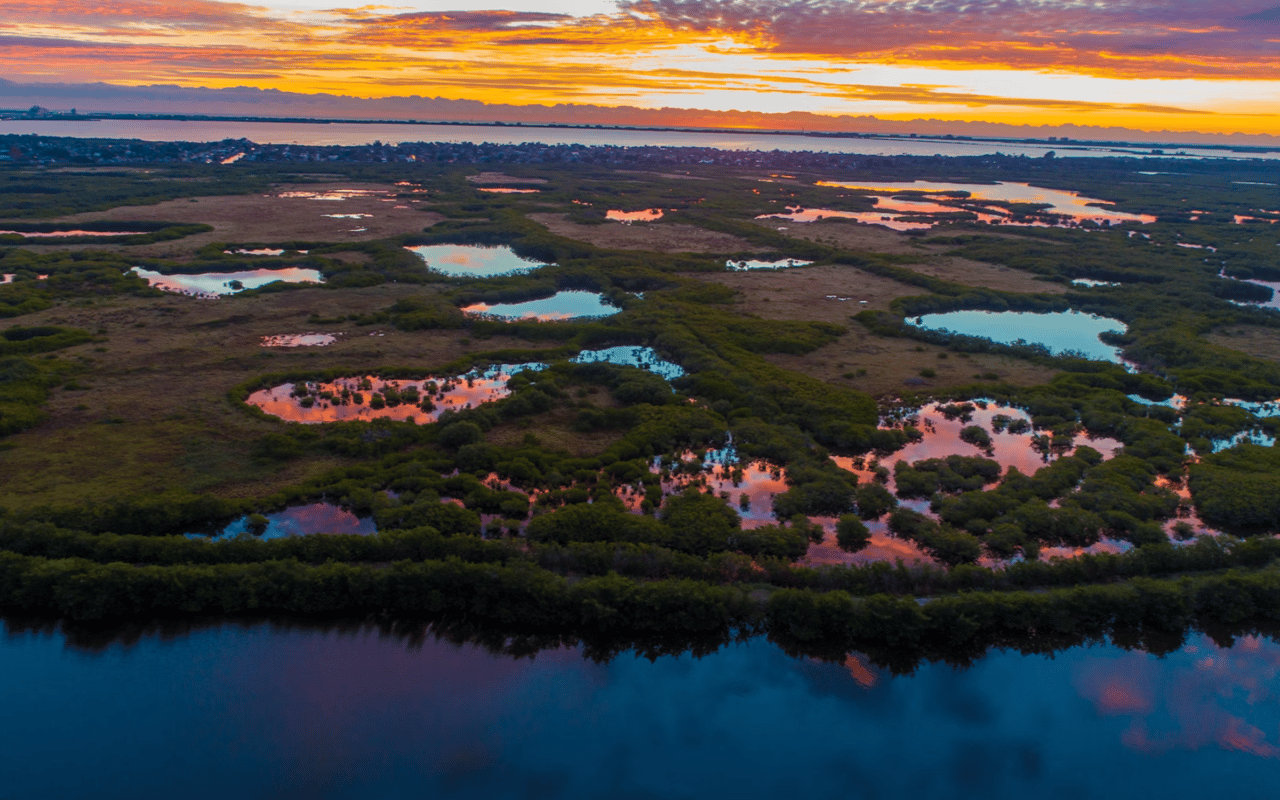
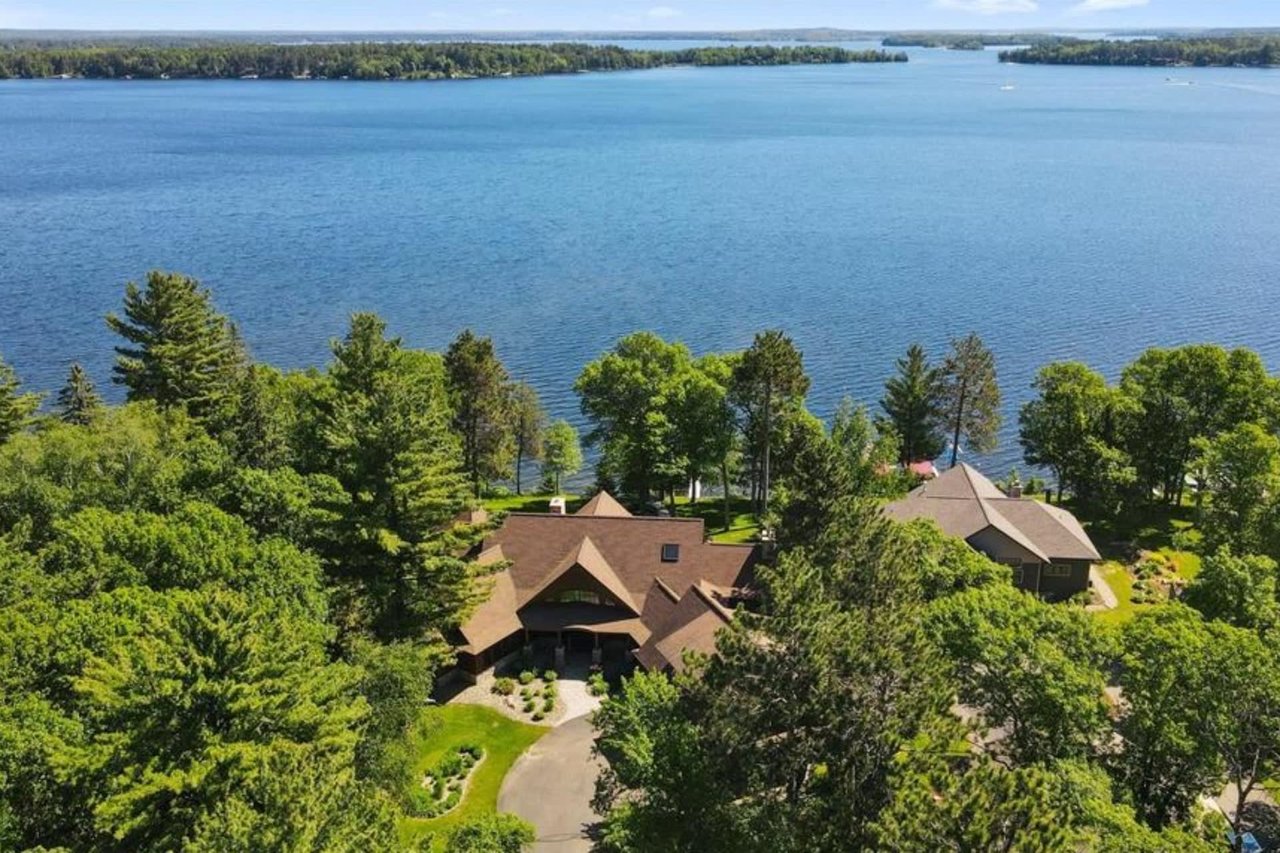
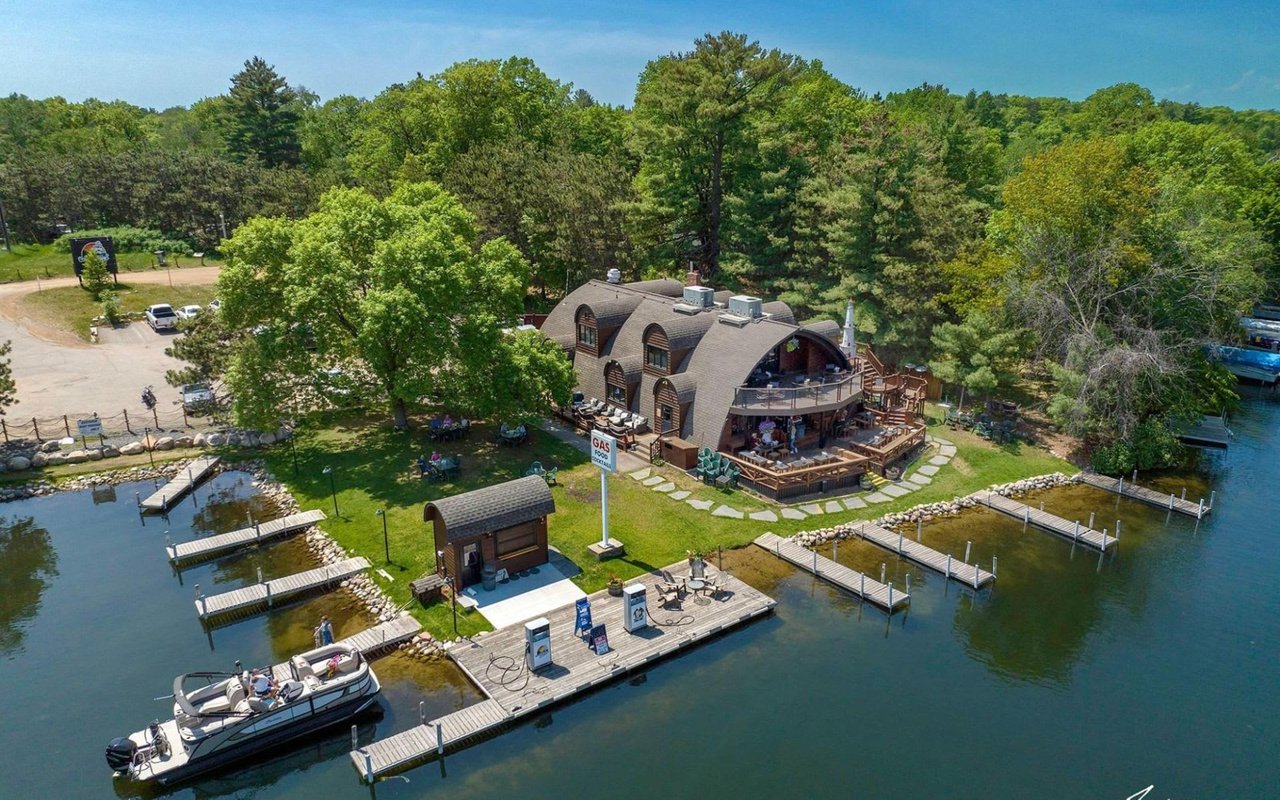
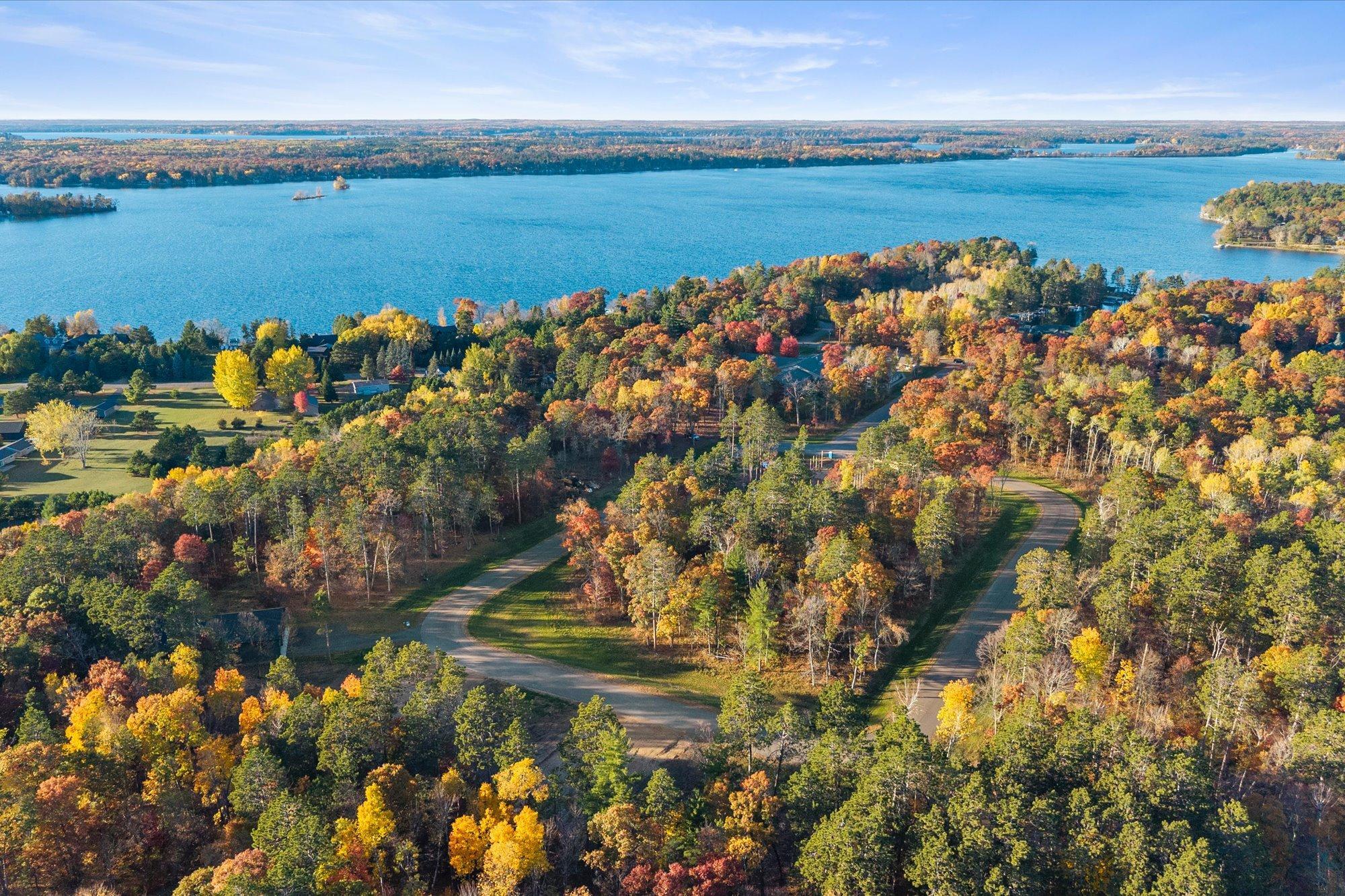
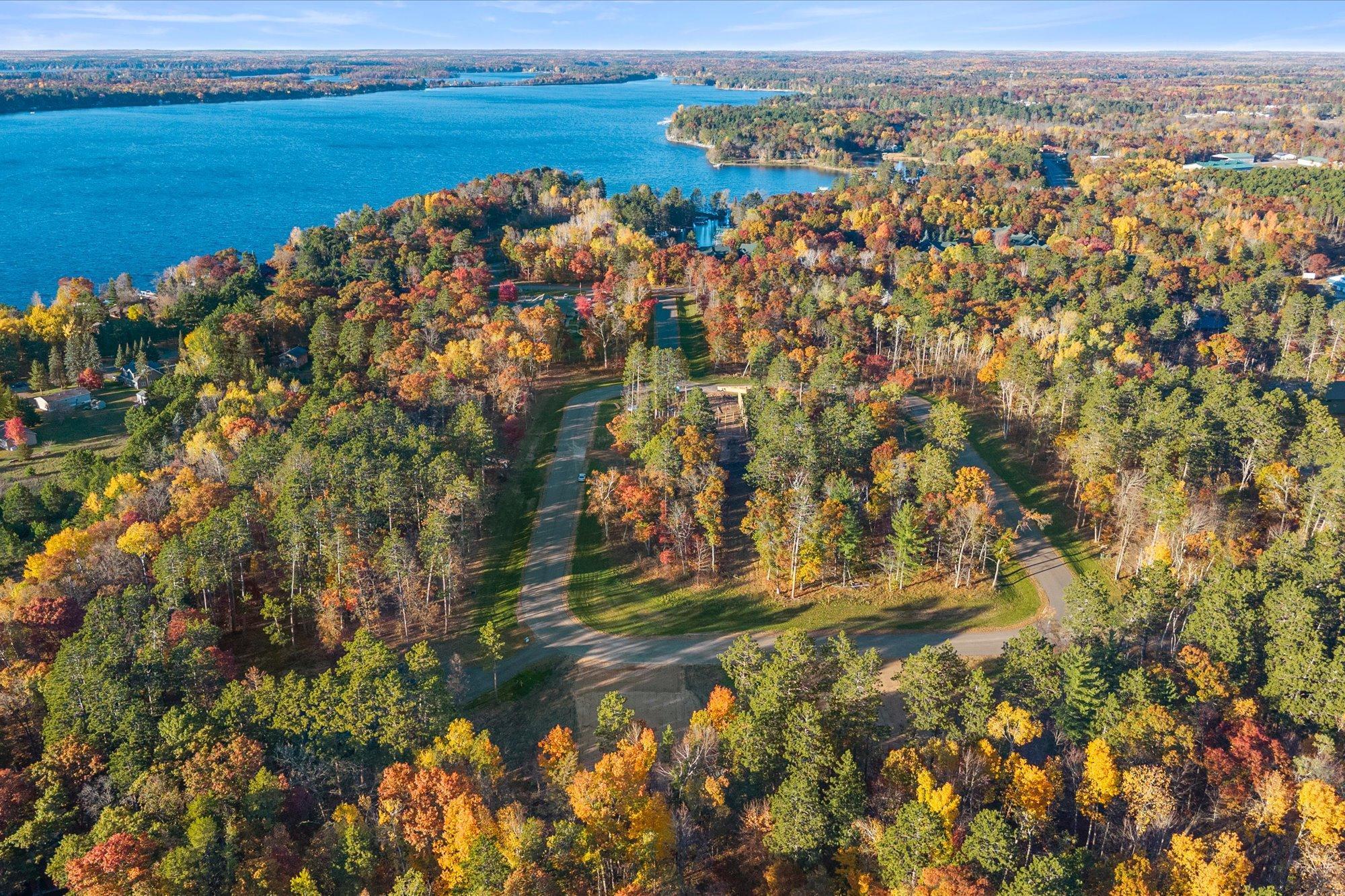
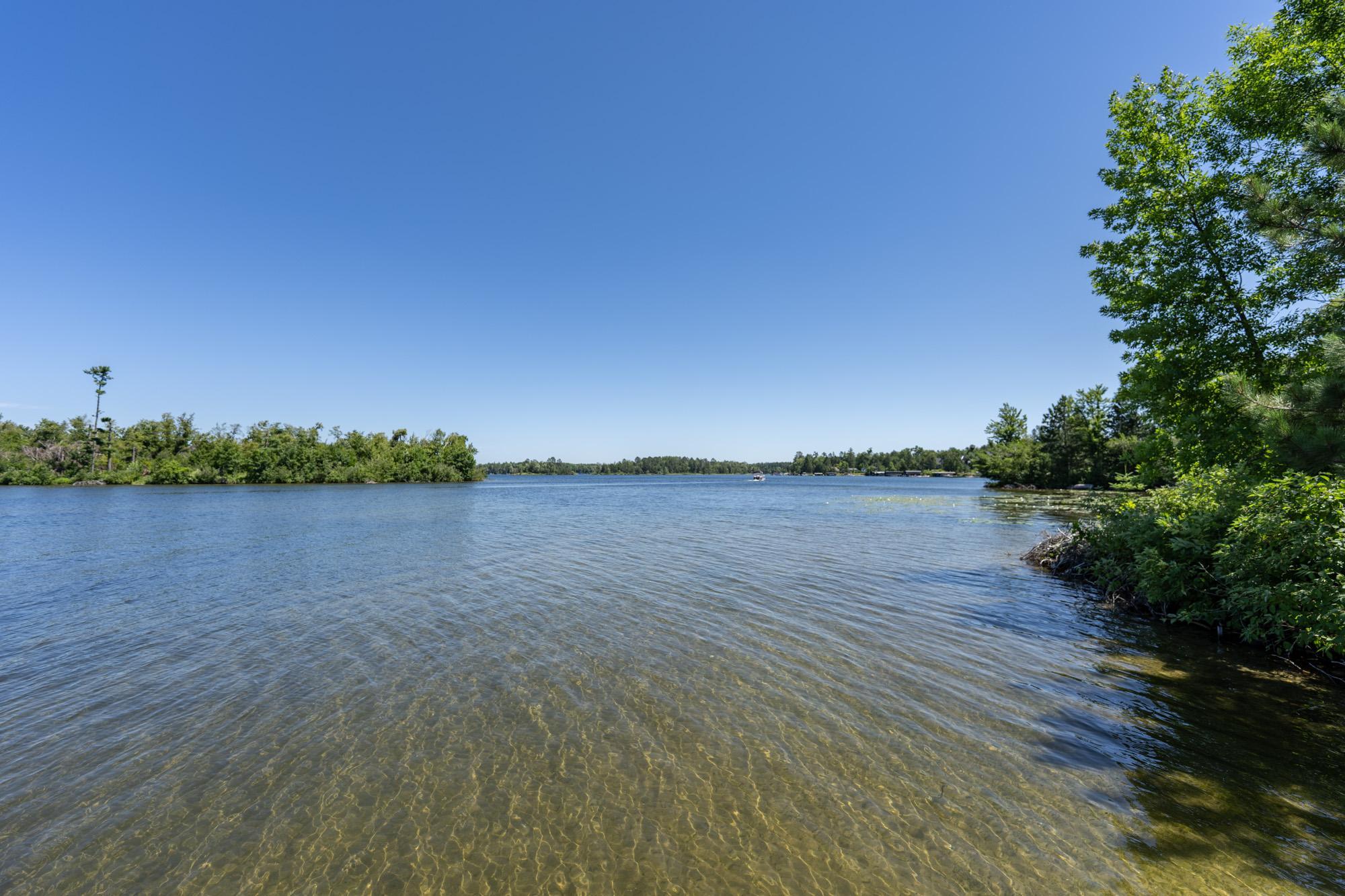
Crosslake is not just a town with a few lakes nearby. According to the city, 32.7% of its 23,680 acres is made up of lakes, rivers, and streams, with another 6.3% classified as wetlands. Crosslake also describes itself as an eastern-shore community on the Whitefish Chain, with resorts, dining, and recreation tied closely to the water.
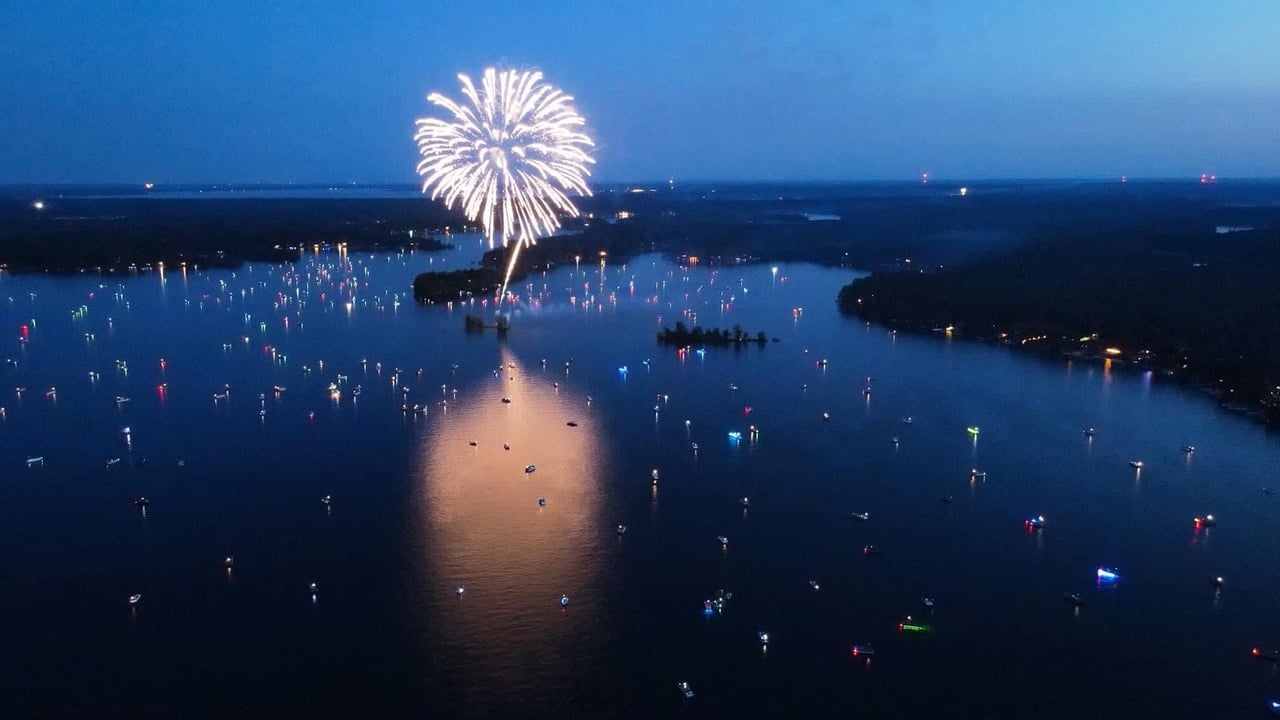
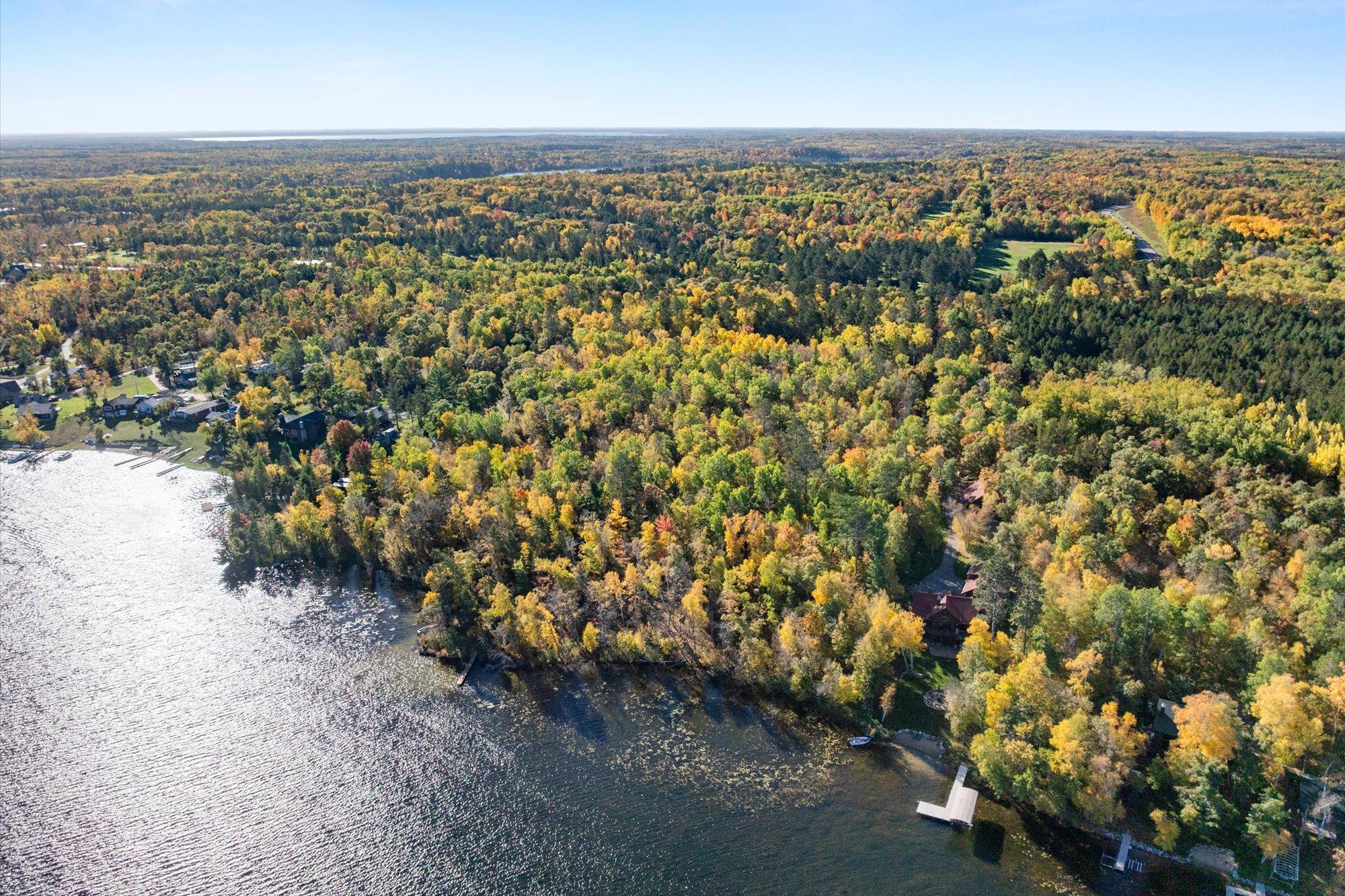
That setting shapes almost every home search here. The Whitefish Chain is a 13,660-acre system with 119 miles of shoreline and 15 connected lakes, and the Cross Lake Recreation Area adds public boating, swimming, fishing, picnicking, and beach access. In other words, water is central to daily life in Crosslake whether you own shoreline or not.
What lakefront gives you
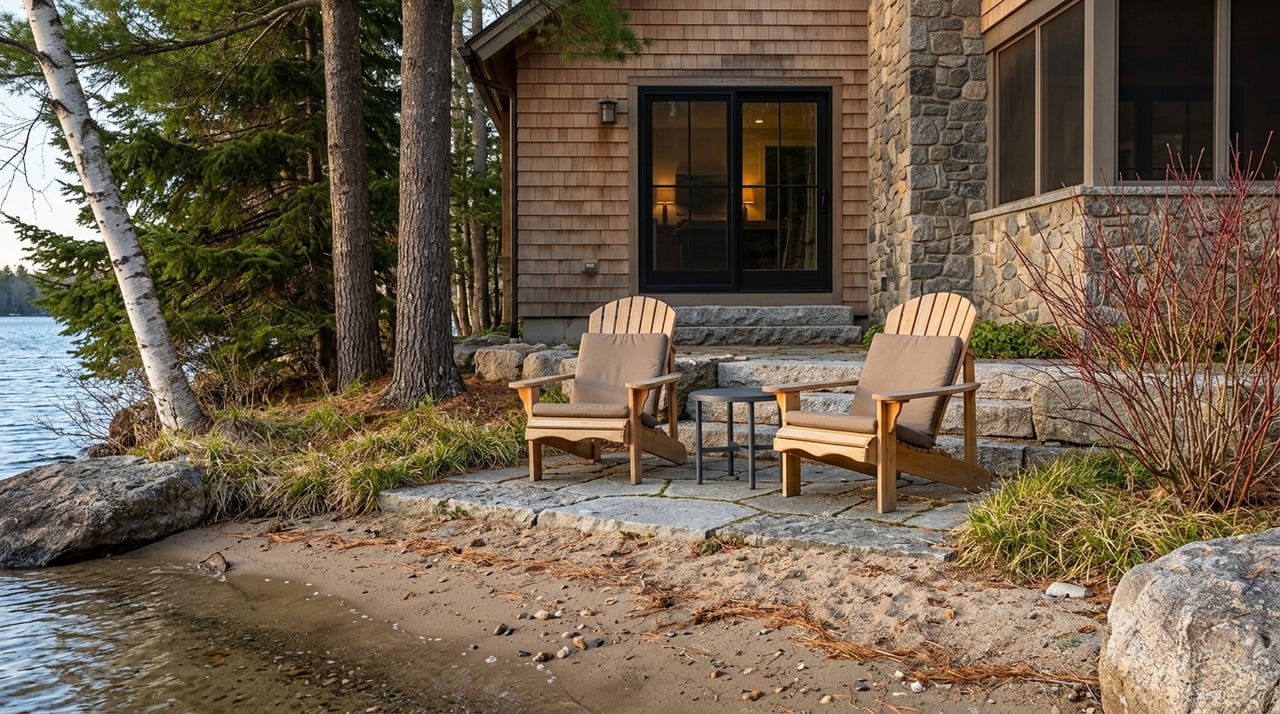
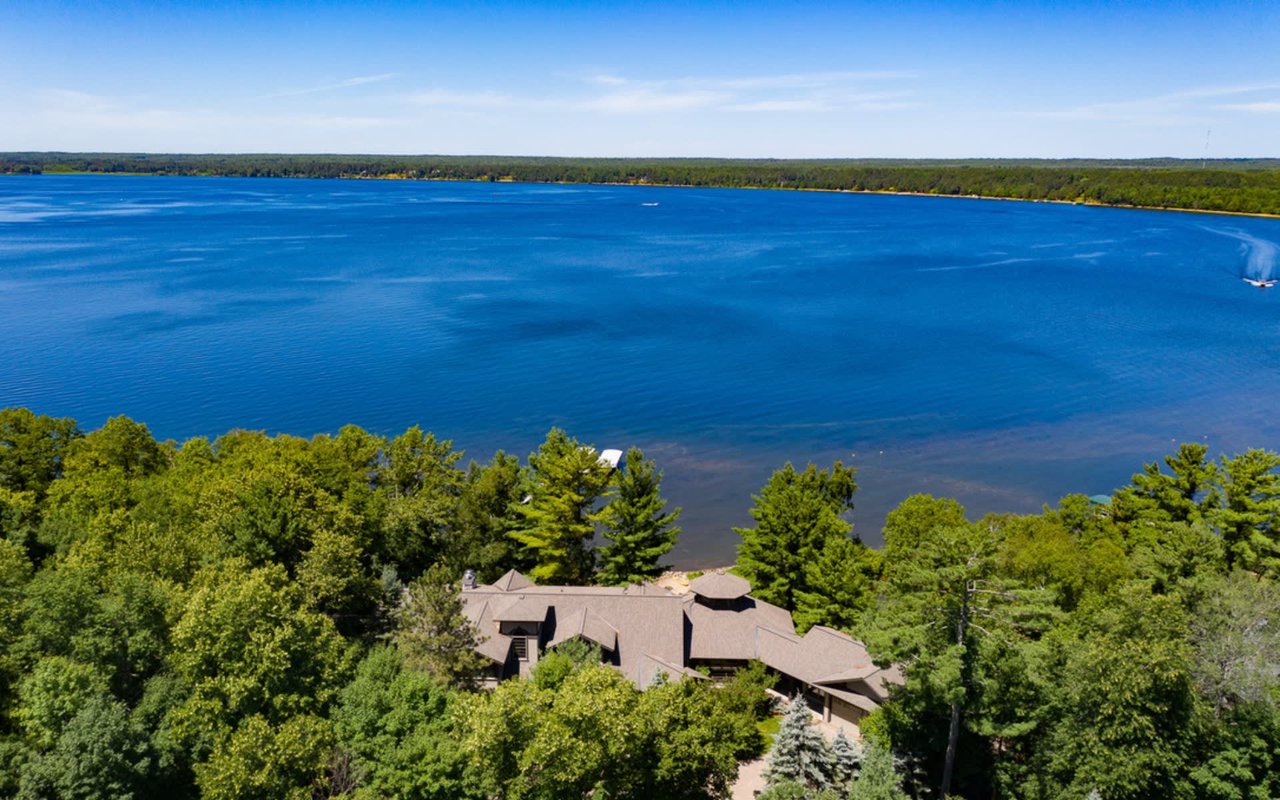
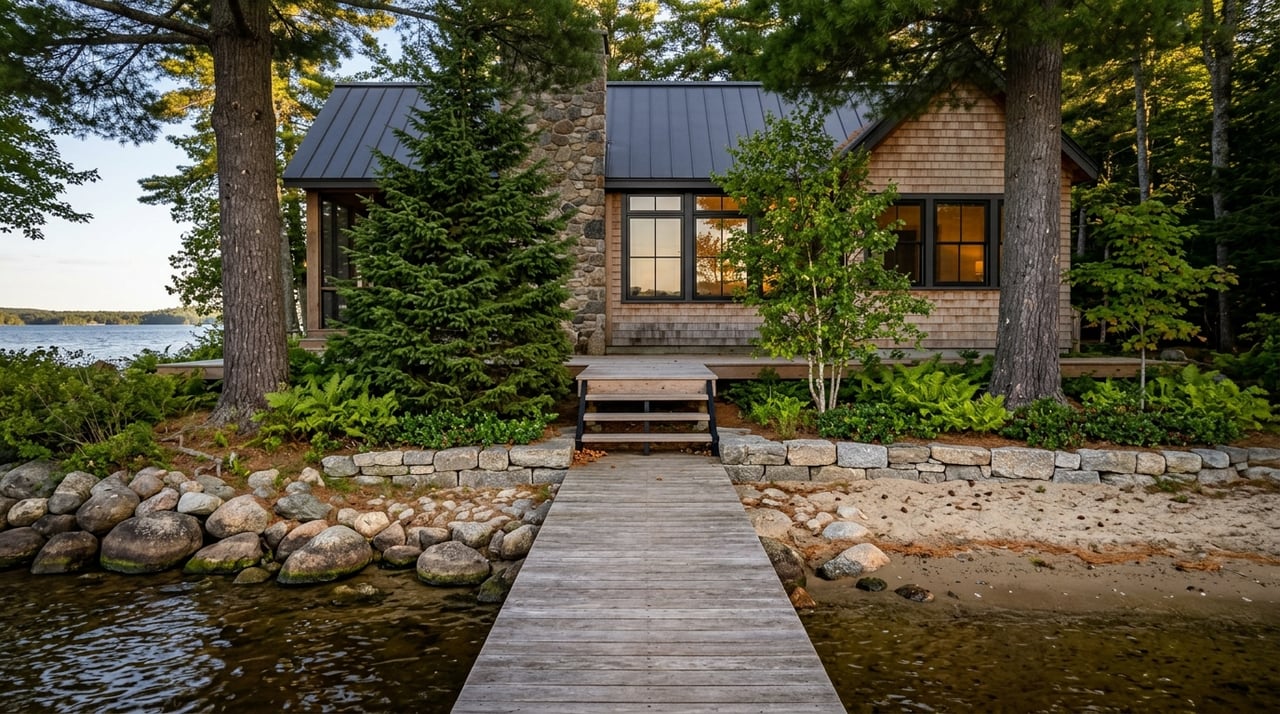
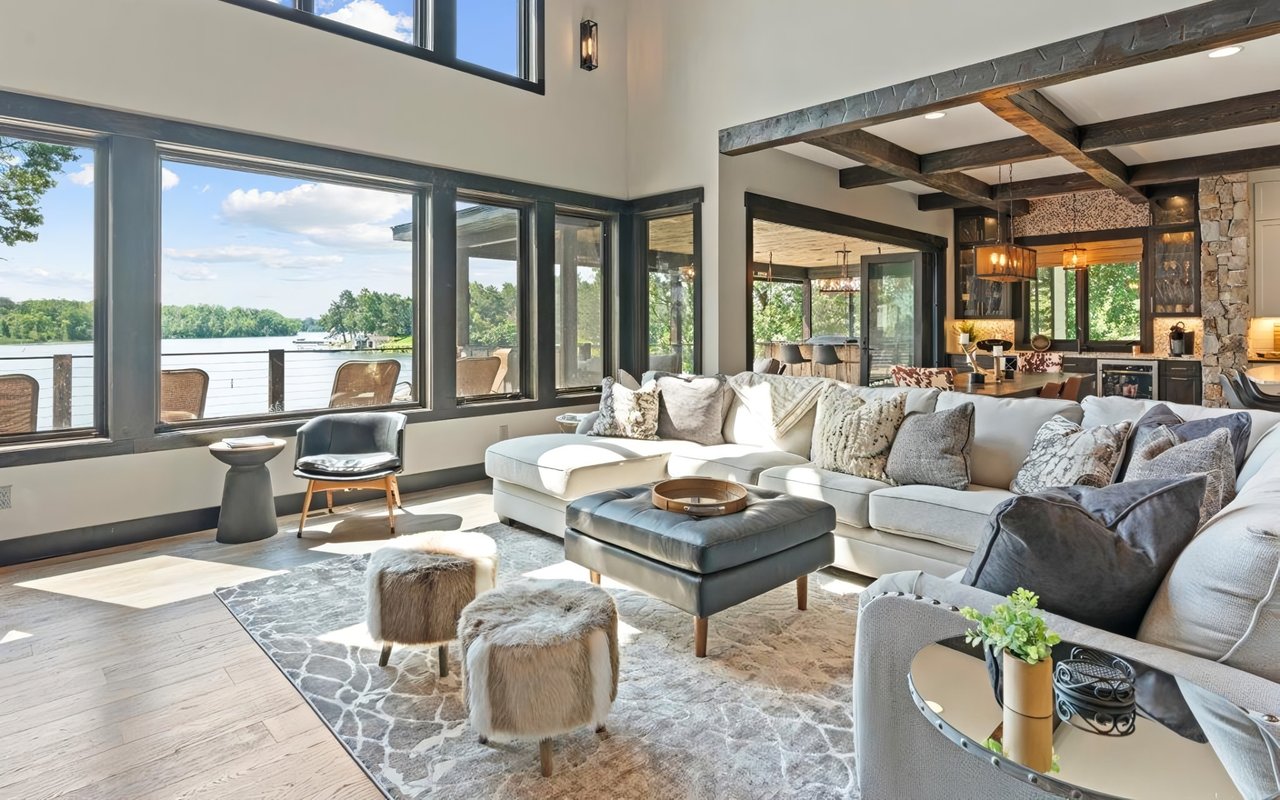
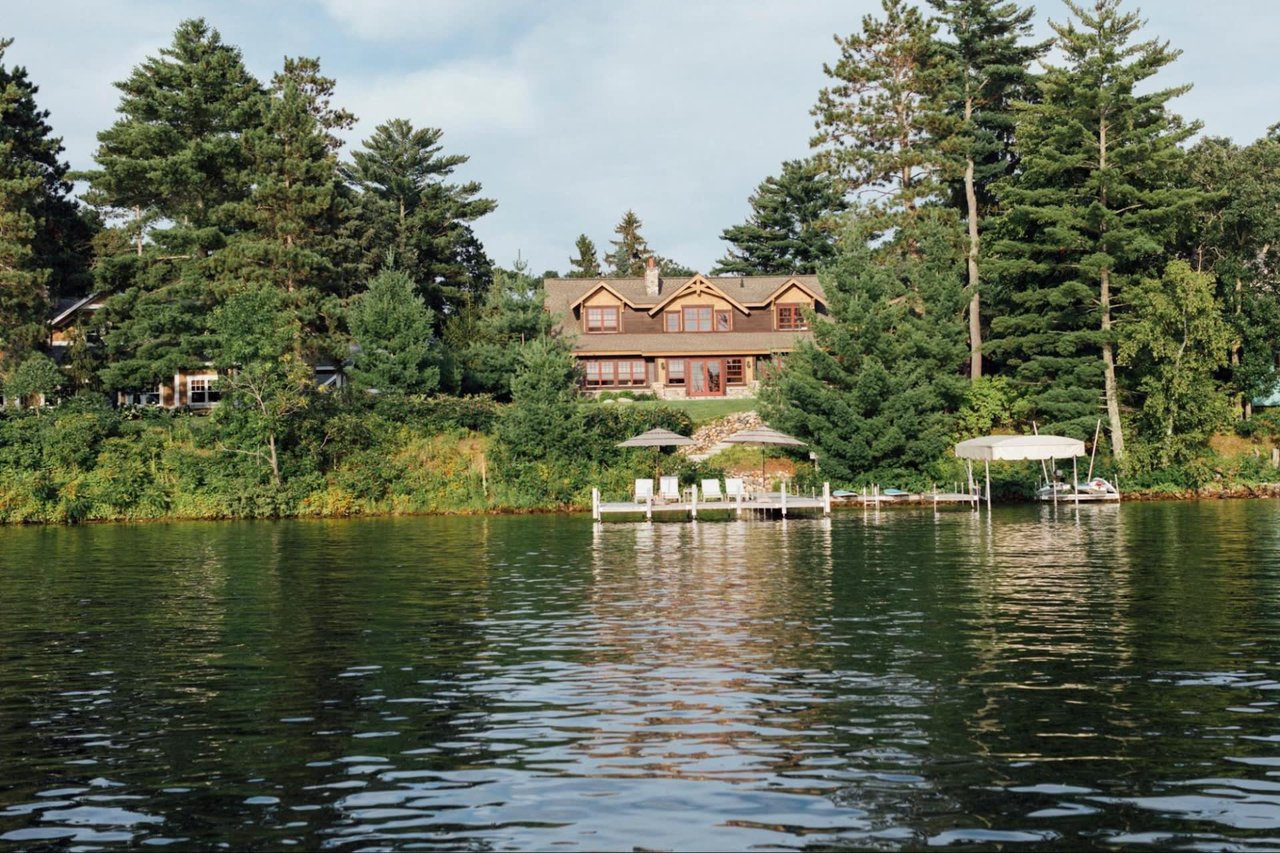
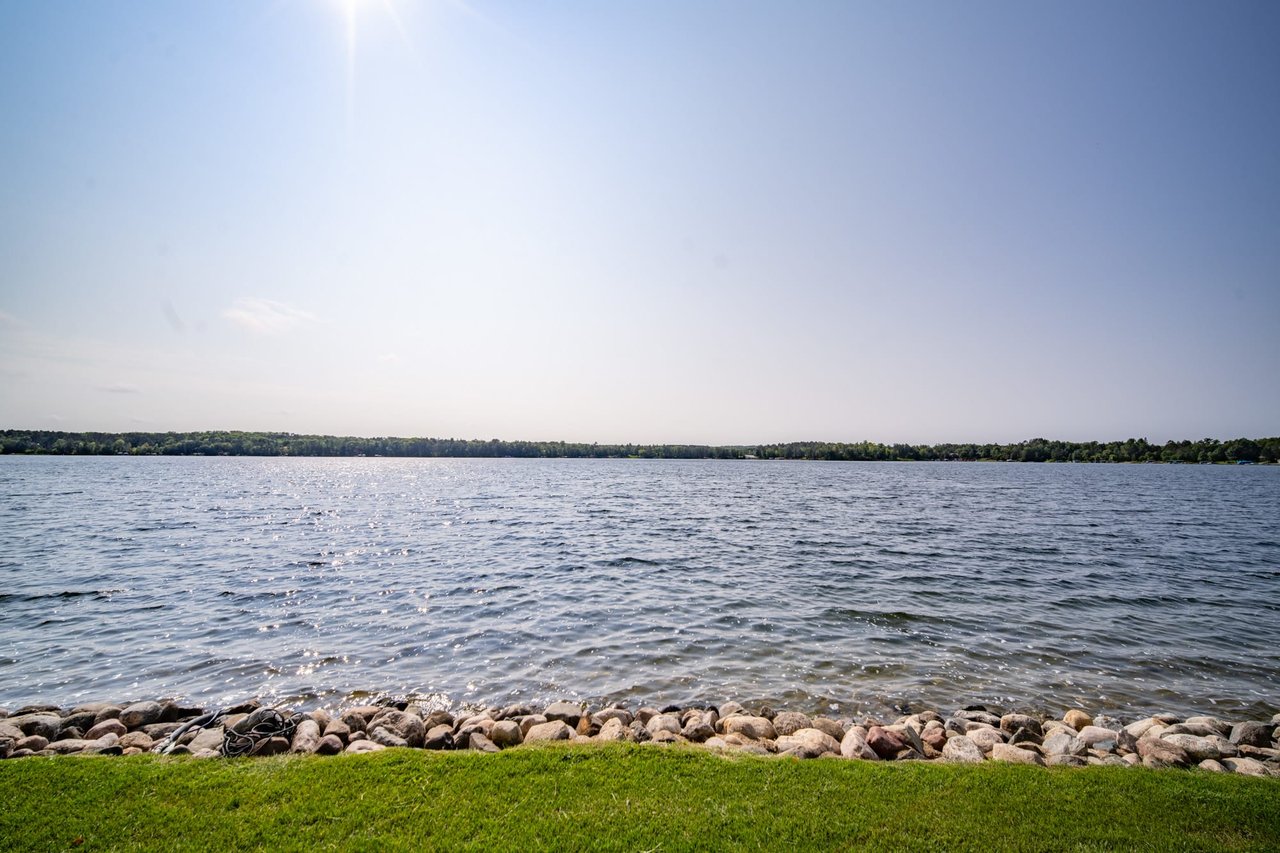
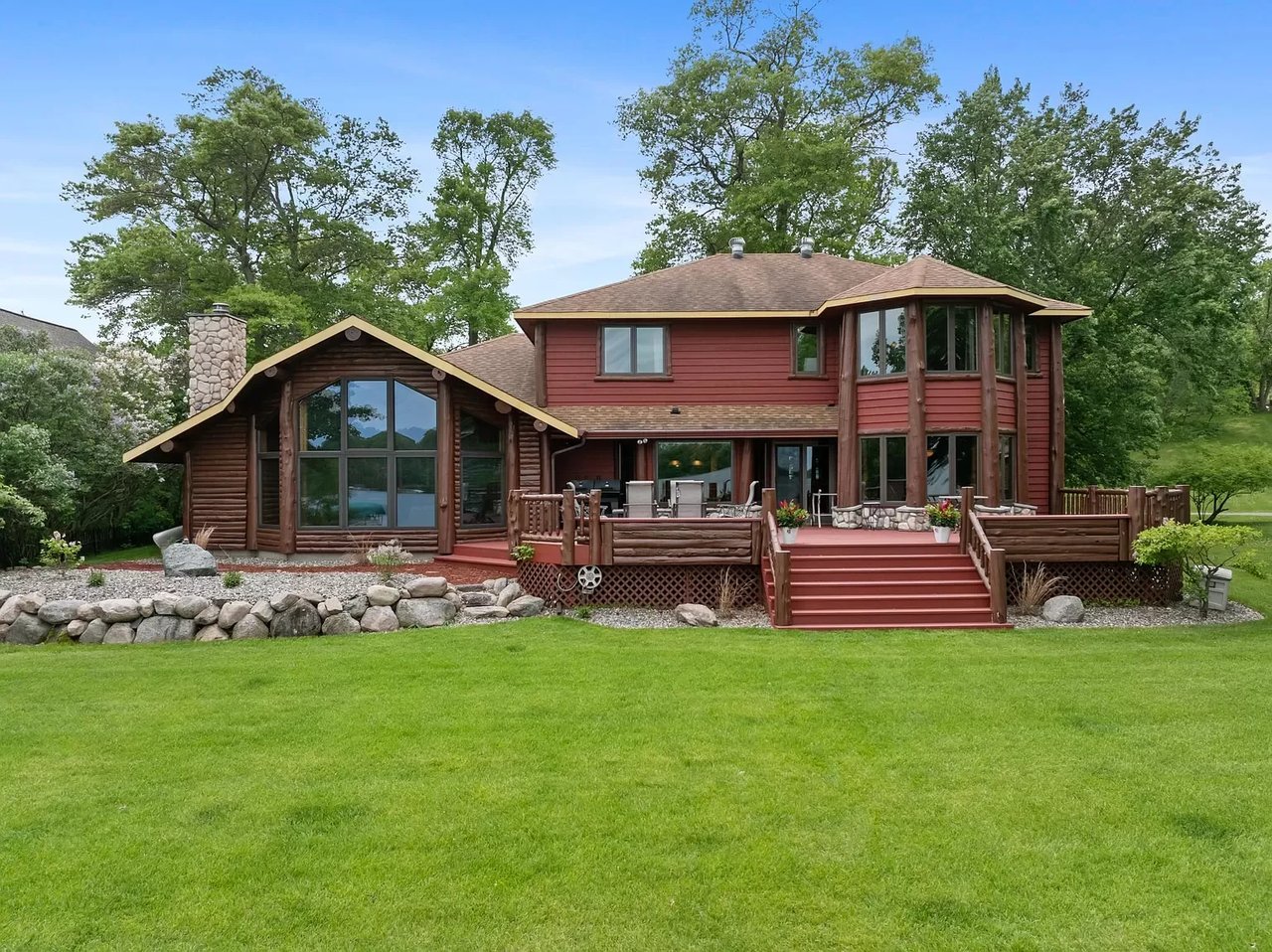
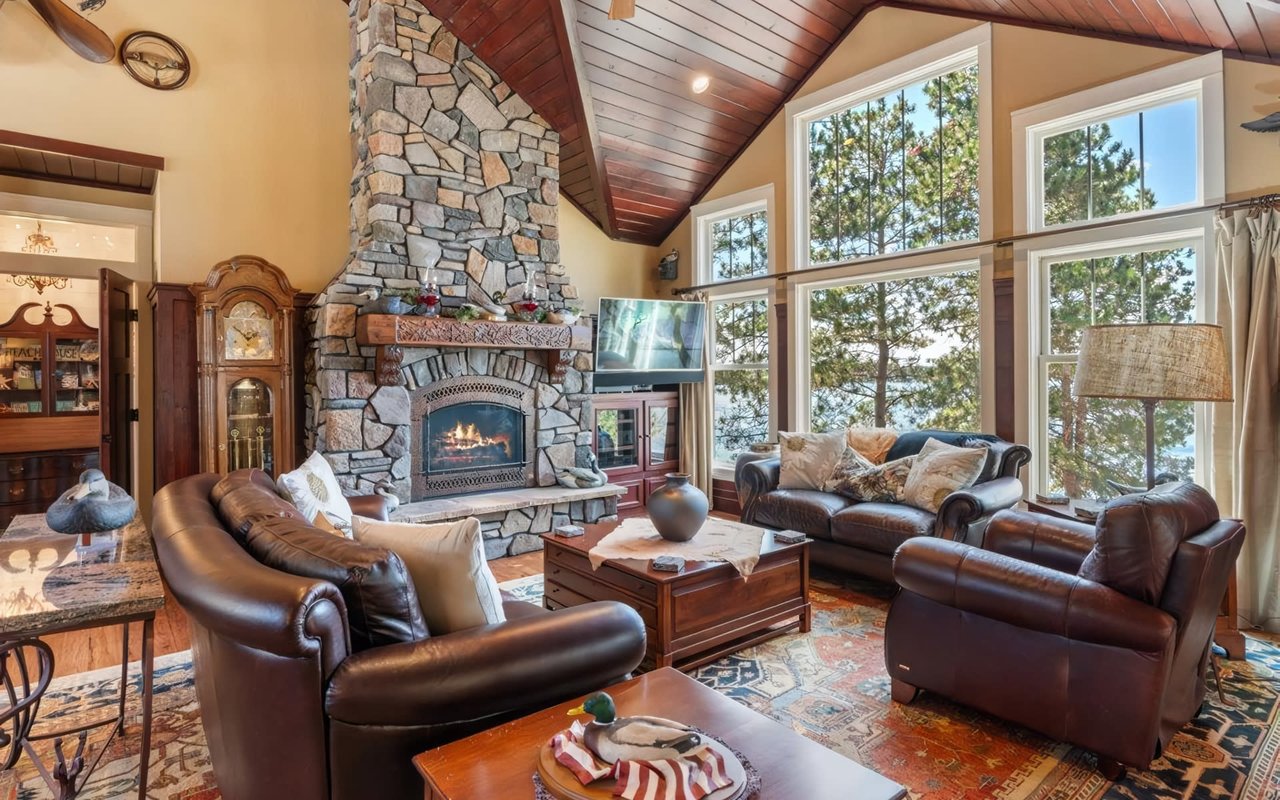
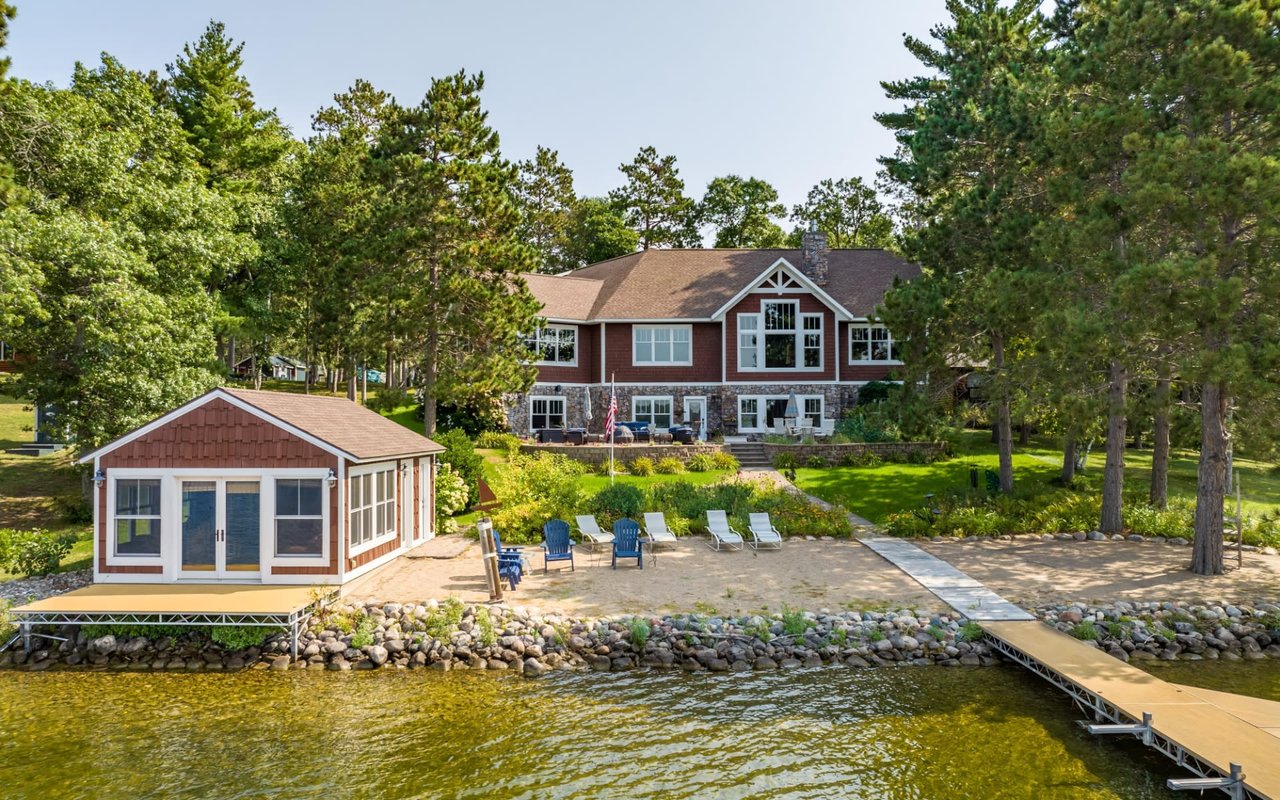
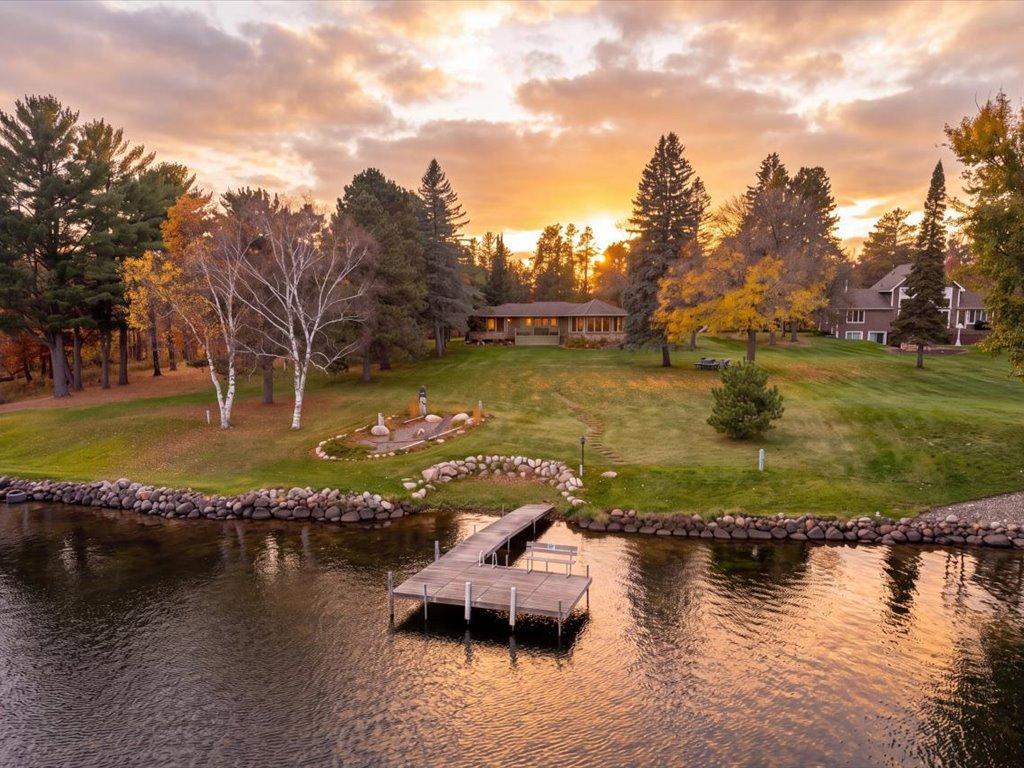
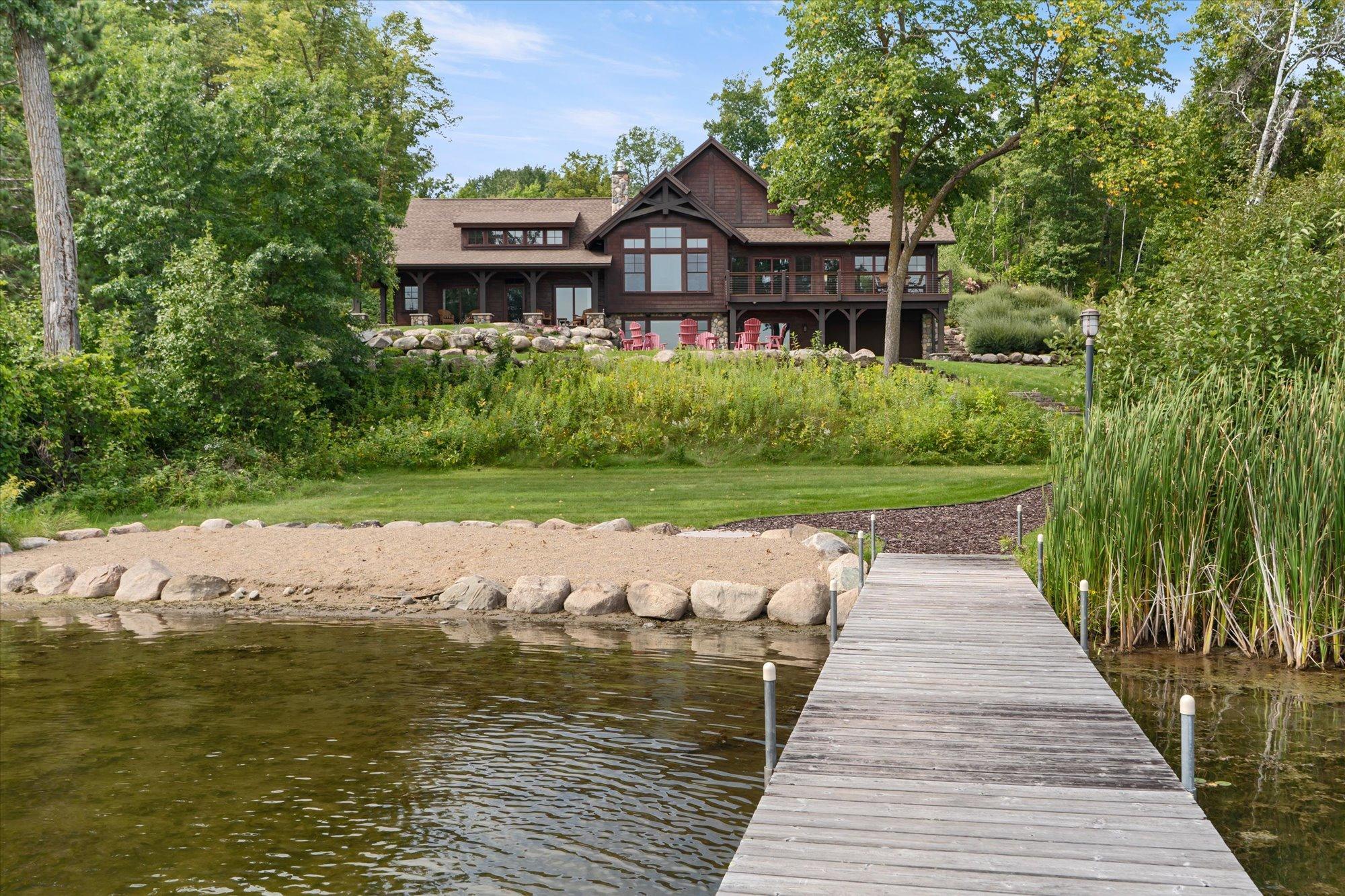
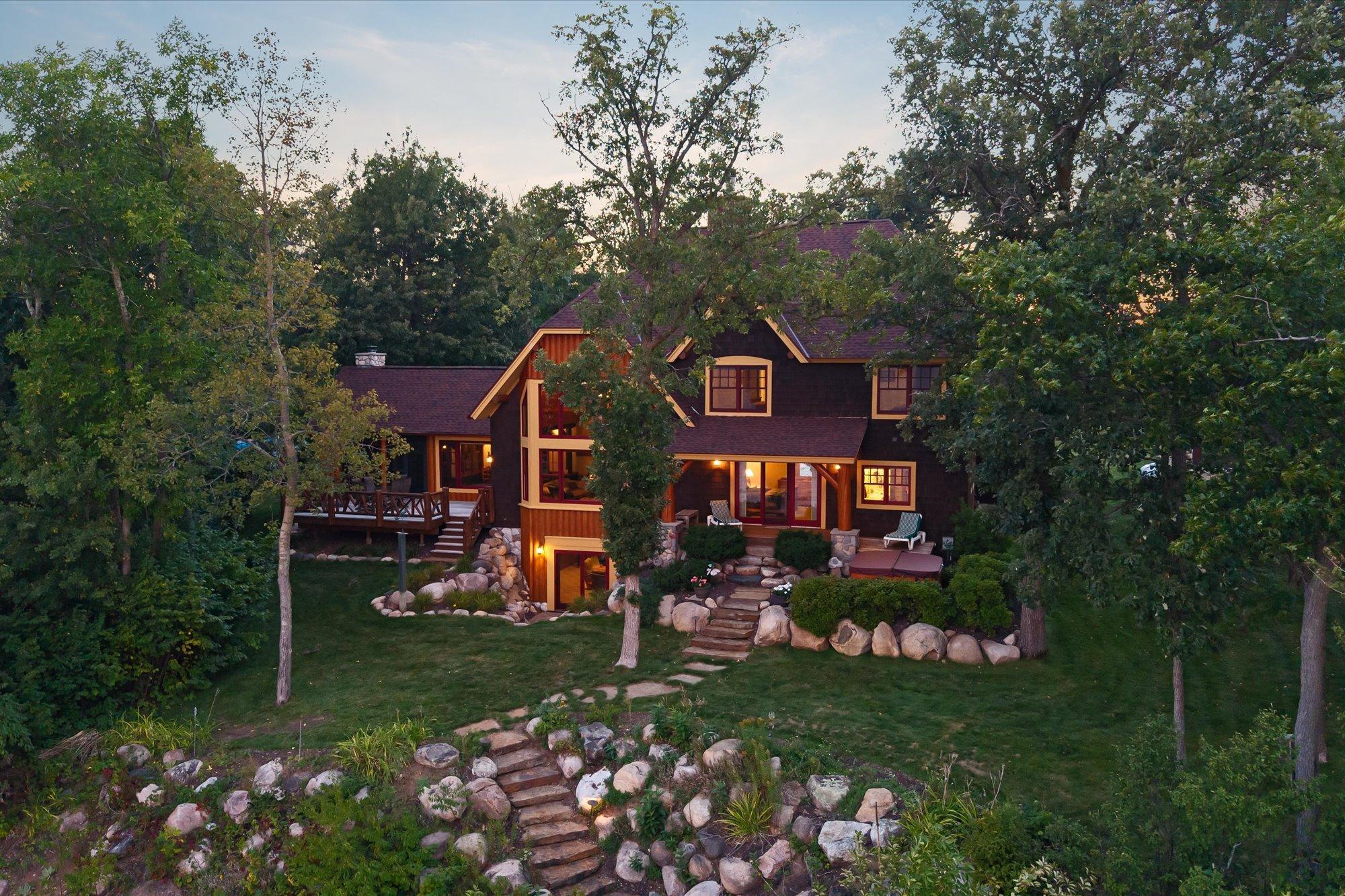
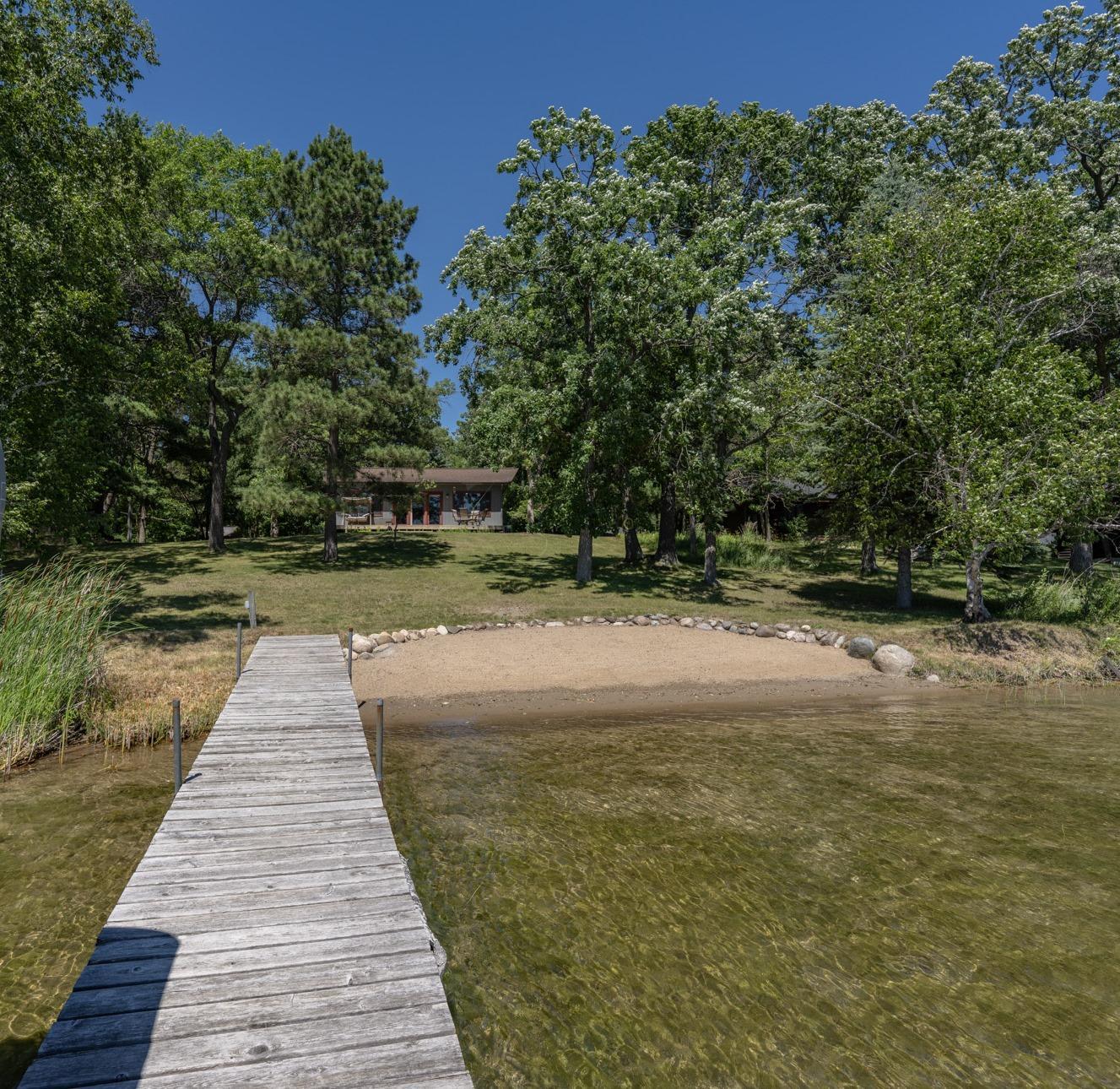
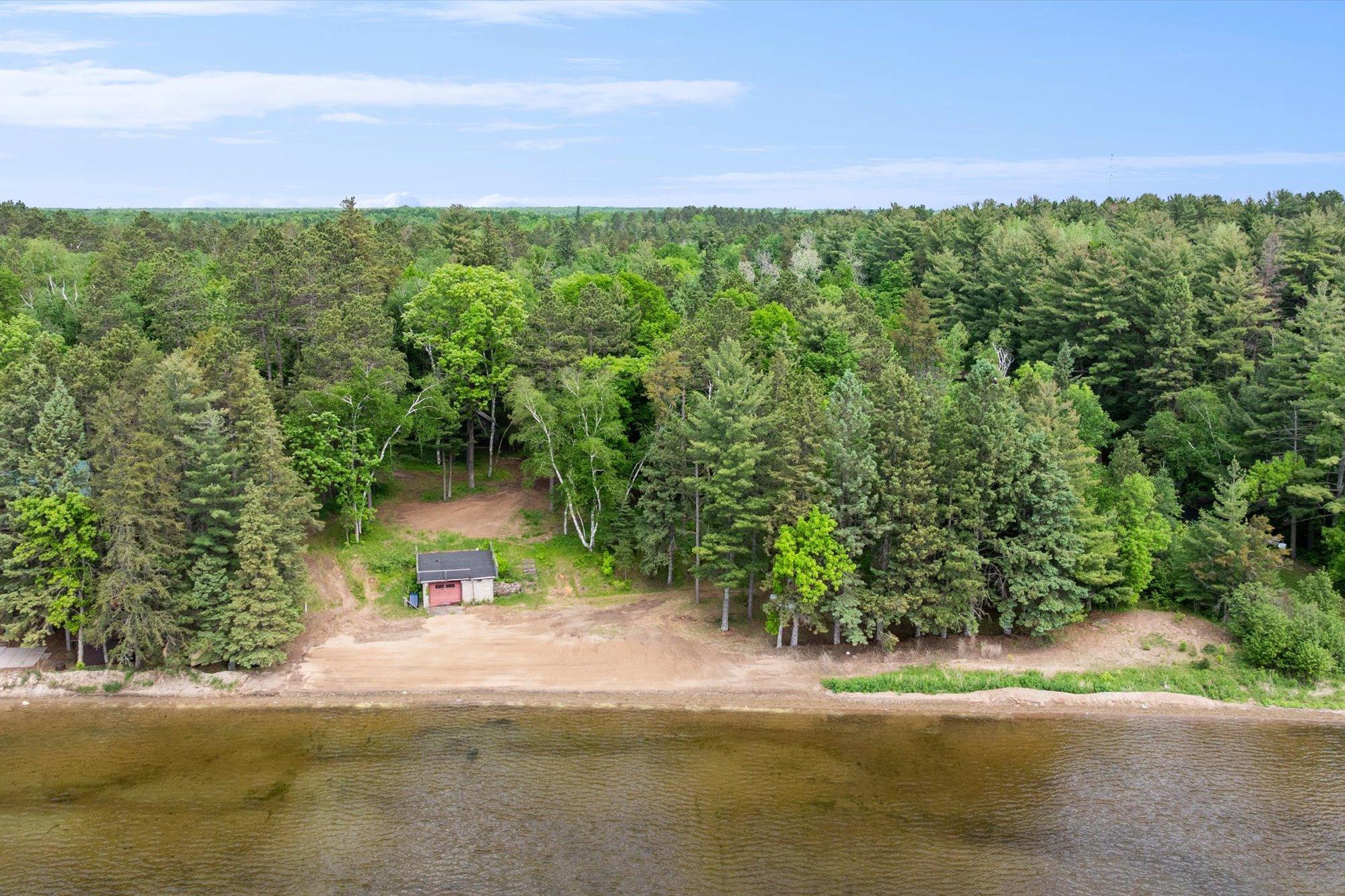
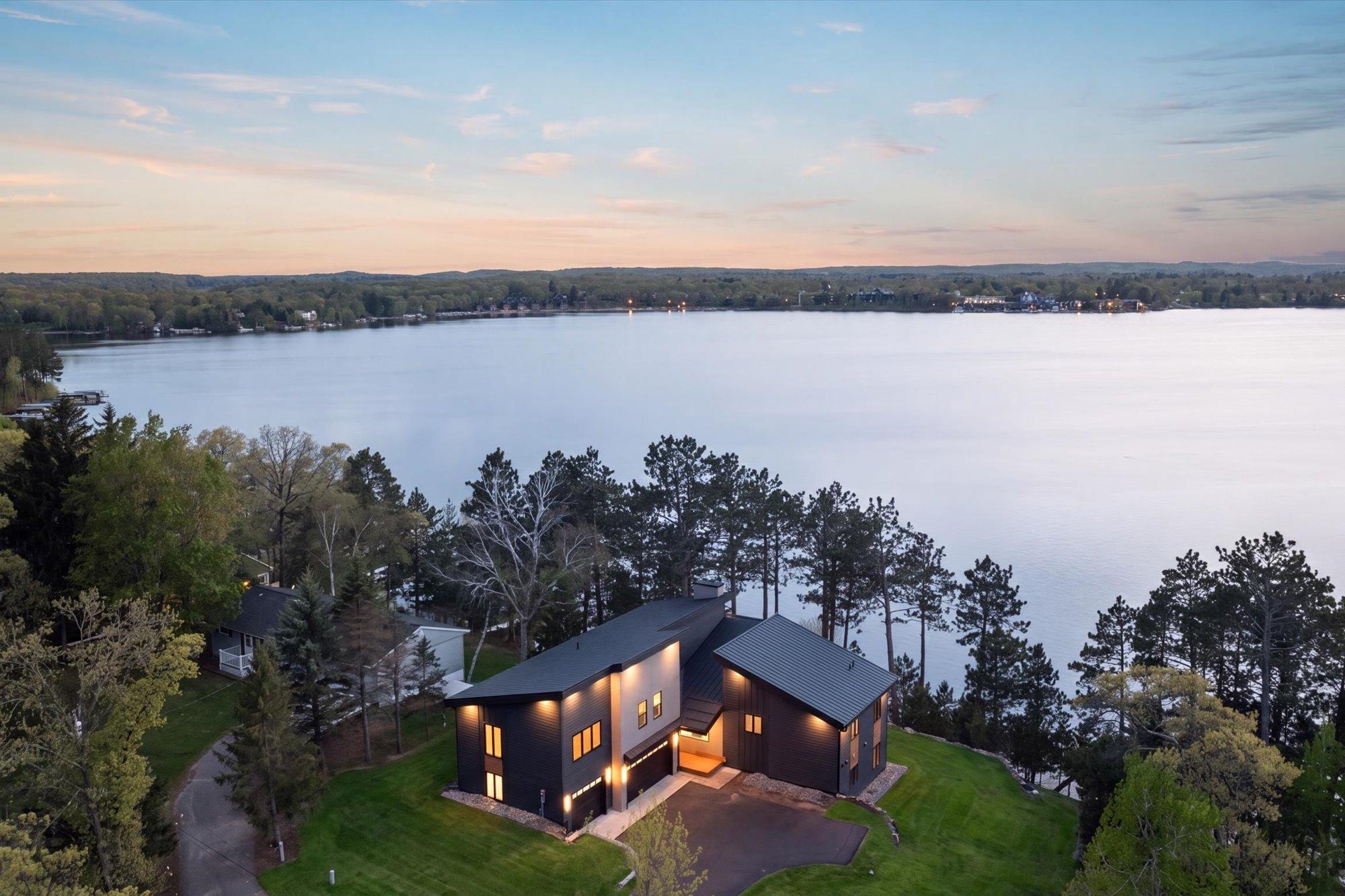
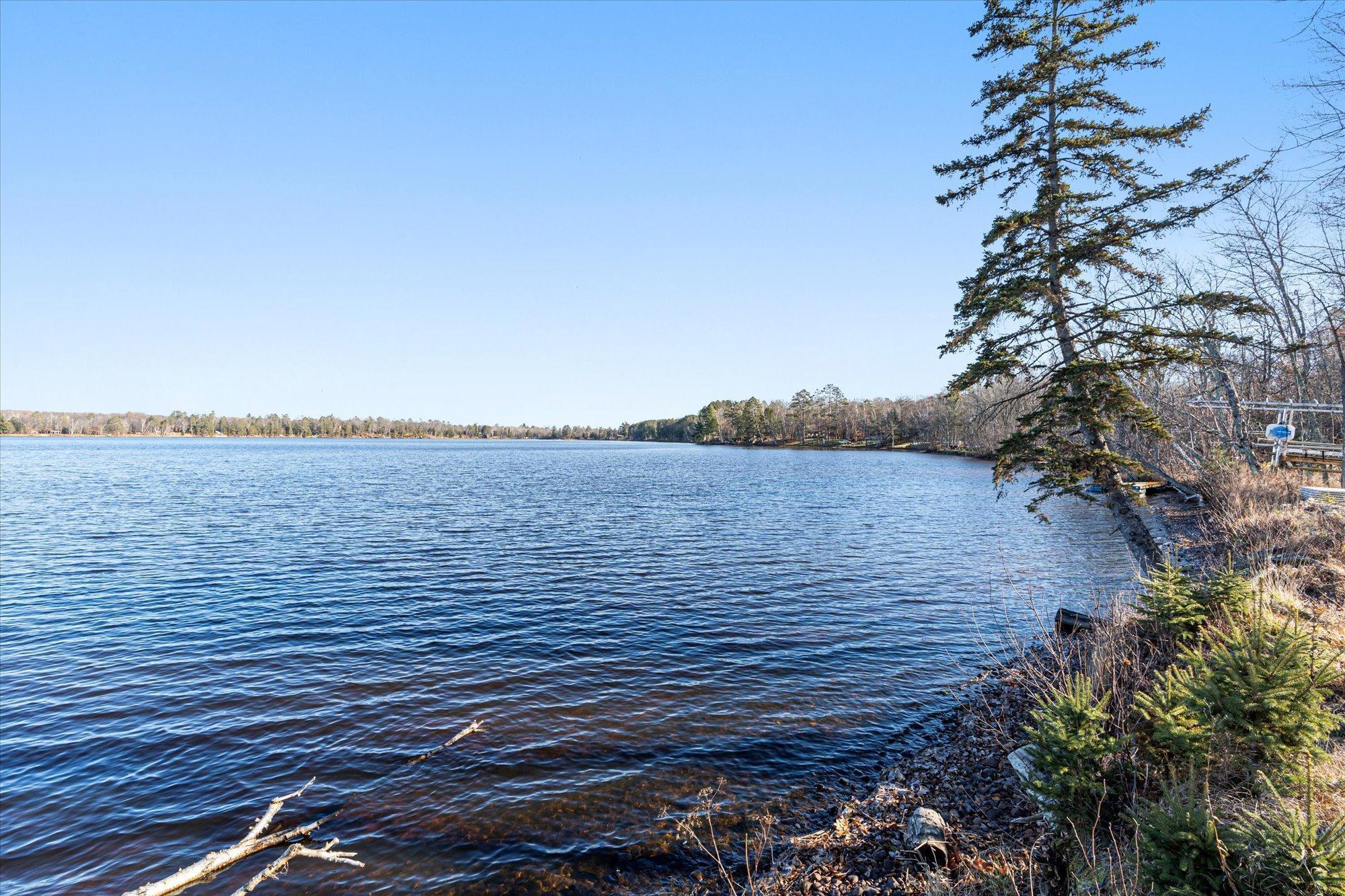
If your dream is to walk out your back door and head straight to the dock, lakefront offers something off-lake homes simply cannot. You get direct shoreline access for boating, swimming, launching a kayak, setting up a dock, or enjoying fishing right from your property. For many buyers, that convenience is the whole point of owning in Crosslake.
Lakefront can also support a strong legacy feel. If you picture long weekends on the dock, grandkids learning to fish, or easy summer mornings on the water, private frontage often fits that vision best. It turns the lake from a destination into part of your everyday routine.
The demand for that experience is easy to understand in Crosslake. The U.S. Army Corps of Engineers says it owns or operates six of the seven public boat accesses on the Whitefish Chain, which helps explain why private shoreline remains so desirable. Even with strong public access, many buyers still want the ease and privacy of having the water at home.
Best fit for lakefront buyers
Lakefront may be the right fit if you:
- Want daily or near-daily boating, swimming, or fishing
- Value private shoreline access over a larger or more flexible yard
- Are comfortable managing docks and shoreline upkeep
- See the property as a long-term retreat or legacy home
- Are prepared for a more specialized buying process
What lakefront asks of you
The upside of shoreline ownership comes with more responsibility. In Crosslake, work near the water is regulated more closely than many buyers expect. The city says a shoreland alteration permit is required for most dirt-moving and vegetation-removal work within 1,000 feet of lakes and 300 feet of streams.
That matters because changes that look simple on paper may not be simple in practice. Crosslake says even a 4-foot stairway or elevated boardwalk to the lake requires a permit. Crow Wing County also regulates shoreline recreation use areas, sand, riprap, and other shoreline work.
Some lakefront lots are also affected by wetlands. If wetlands sit between the house and the water, a boardwalk or stairway may be the practical route to access instead of a straight lawn-to-lake setup. That can change how a property lives day to day, even if the listing photos look appealing.
The Minnesota DNR also reminds buyers that a shoreline is a living edge, not just a view. It recommends native shoreline buffers, ideally 25 to 50 feet wide, to help reduce runoff, erosion, and sediment. The DNR also notes that riprap can be expensive, is not maintenance-free, and should be used only where erosion exists.
Questions to ask before buying lakefront
Before you move forward on a shoreline property, ask:
- Is the lot in a shoreland or wetland area?
- What permits would be needed for future stairs, a boardwalk, sand, or shoreline work?
- Is there any known erosion history?
- Is riprap already in place, and if so, why?
- What shoreline access and use rights exist today?
- How much ongoing maintenance will the property require?
What off-lake changes
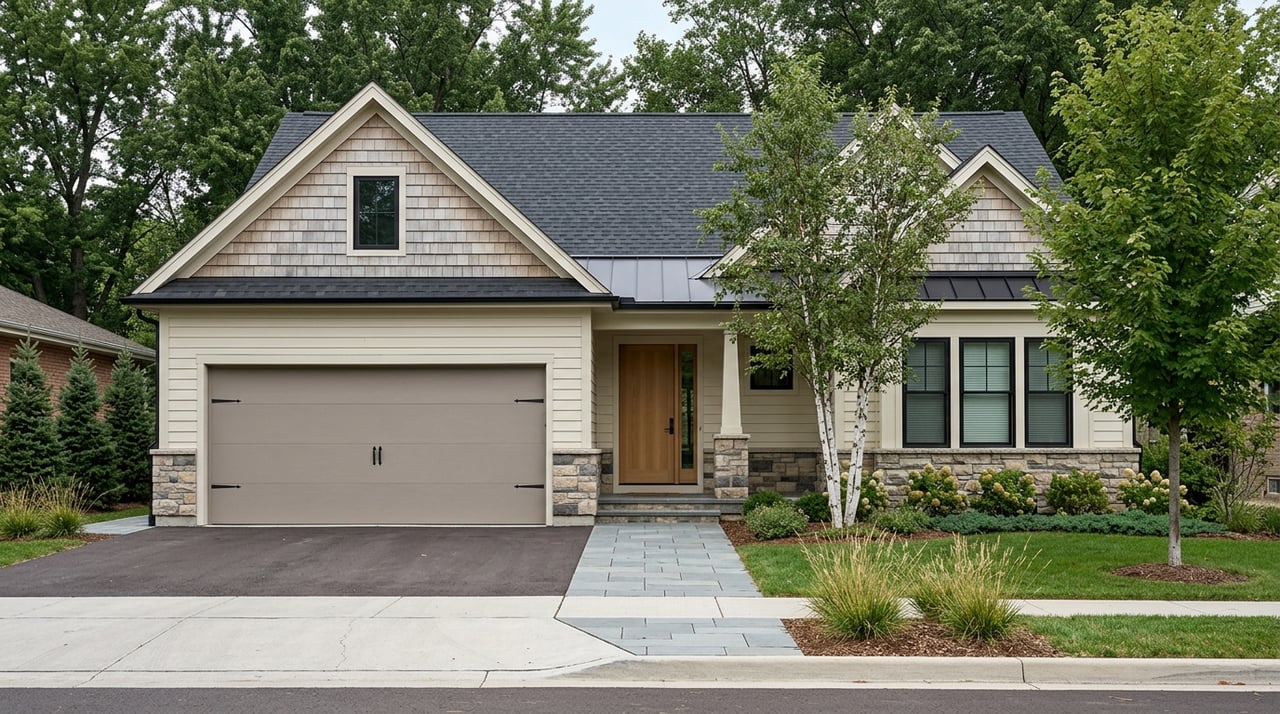
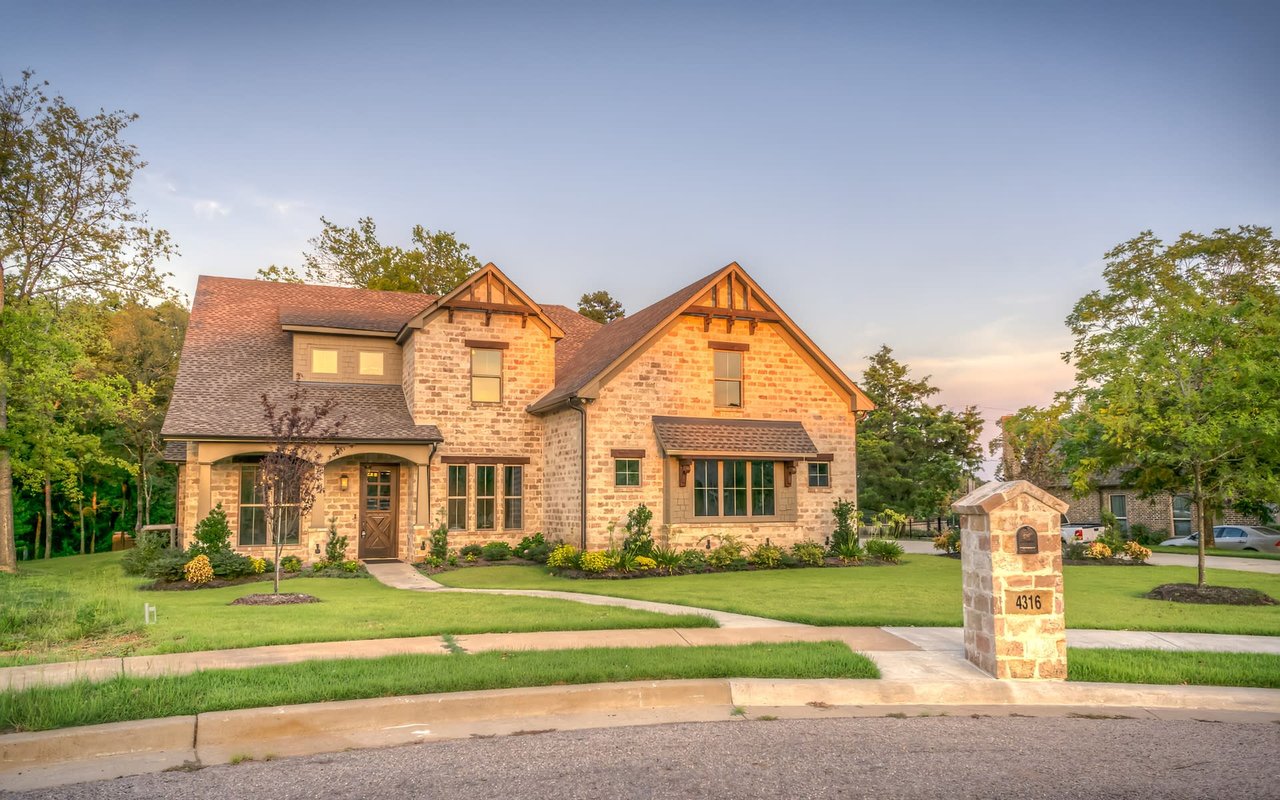
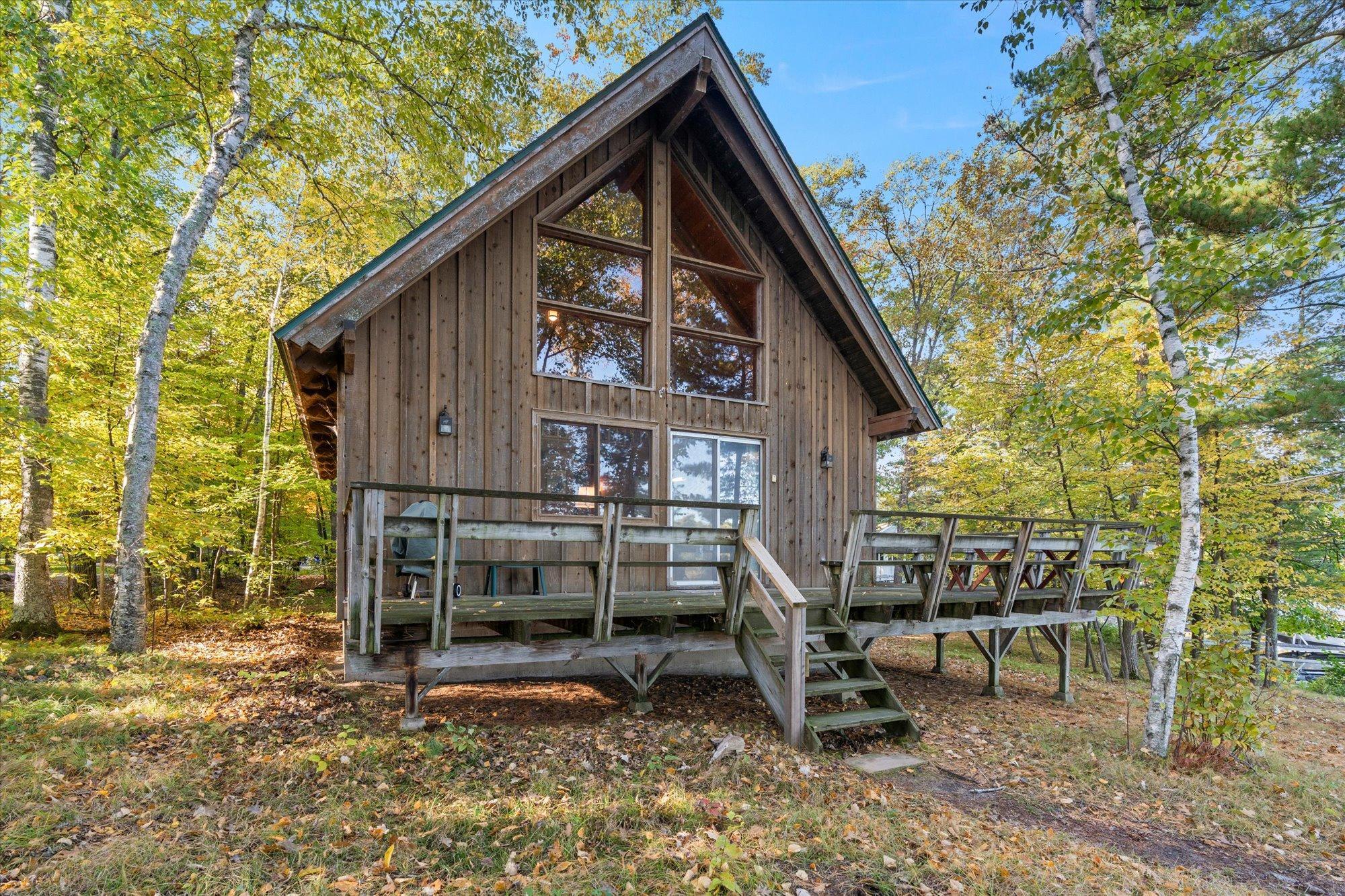
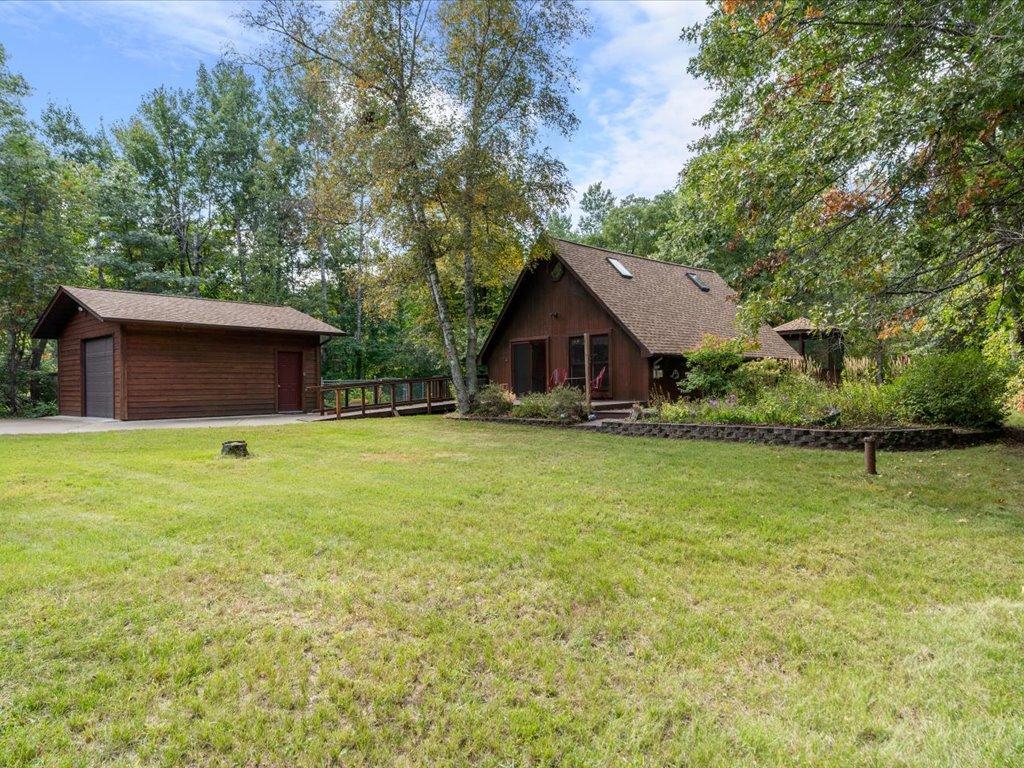
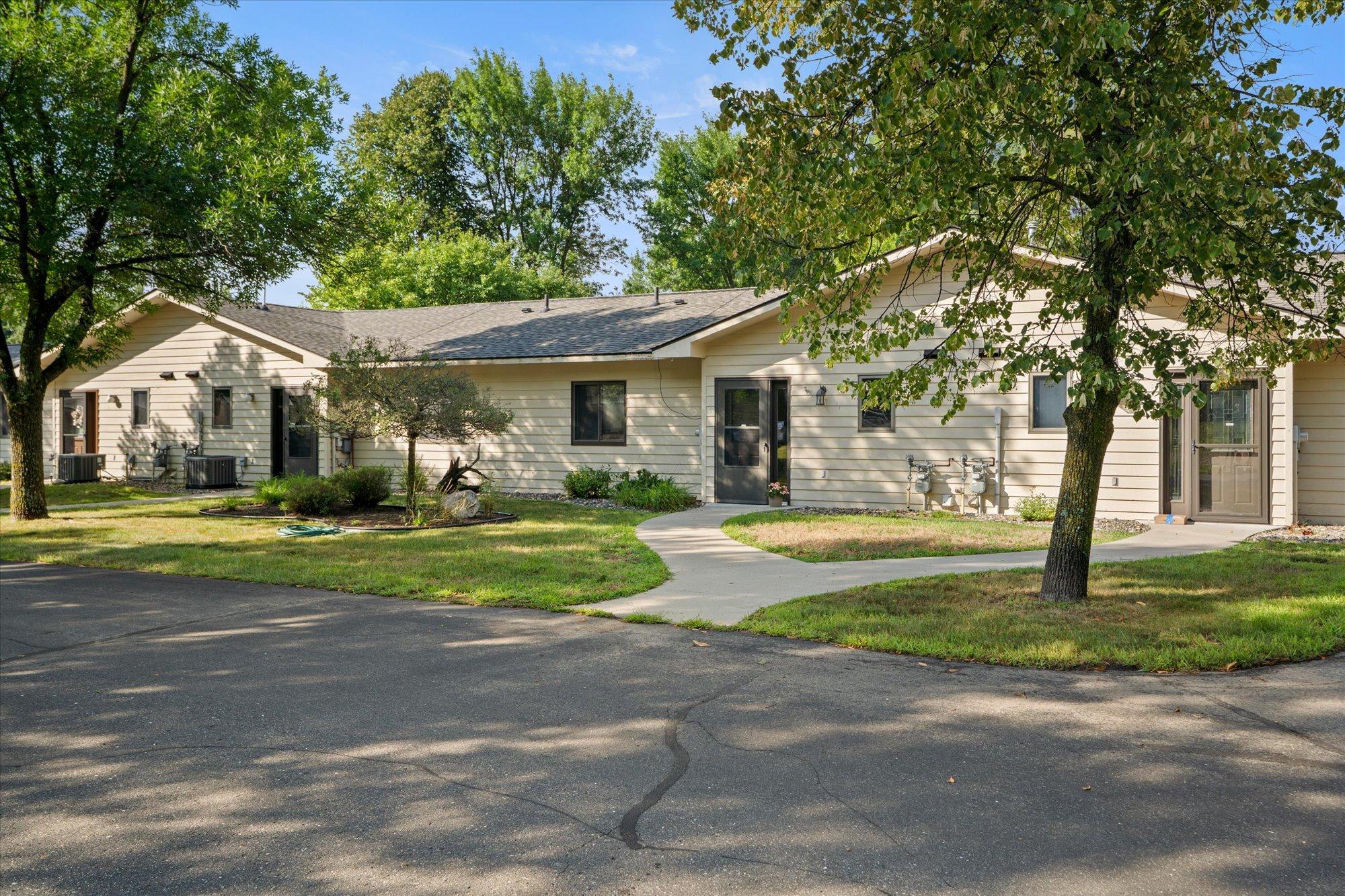
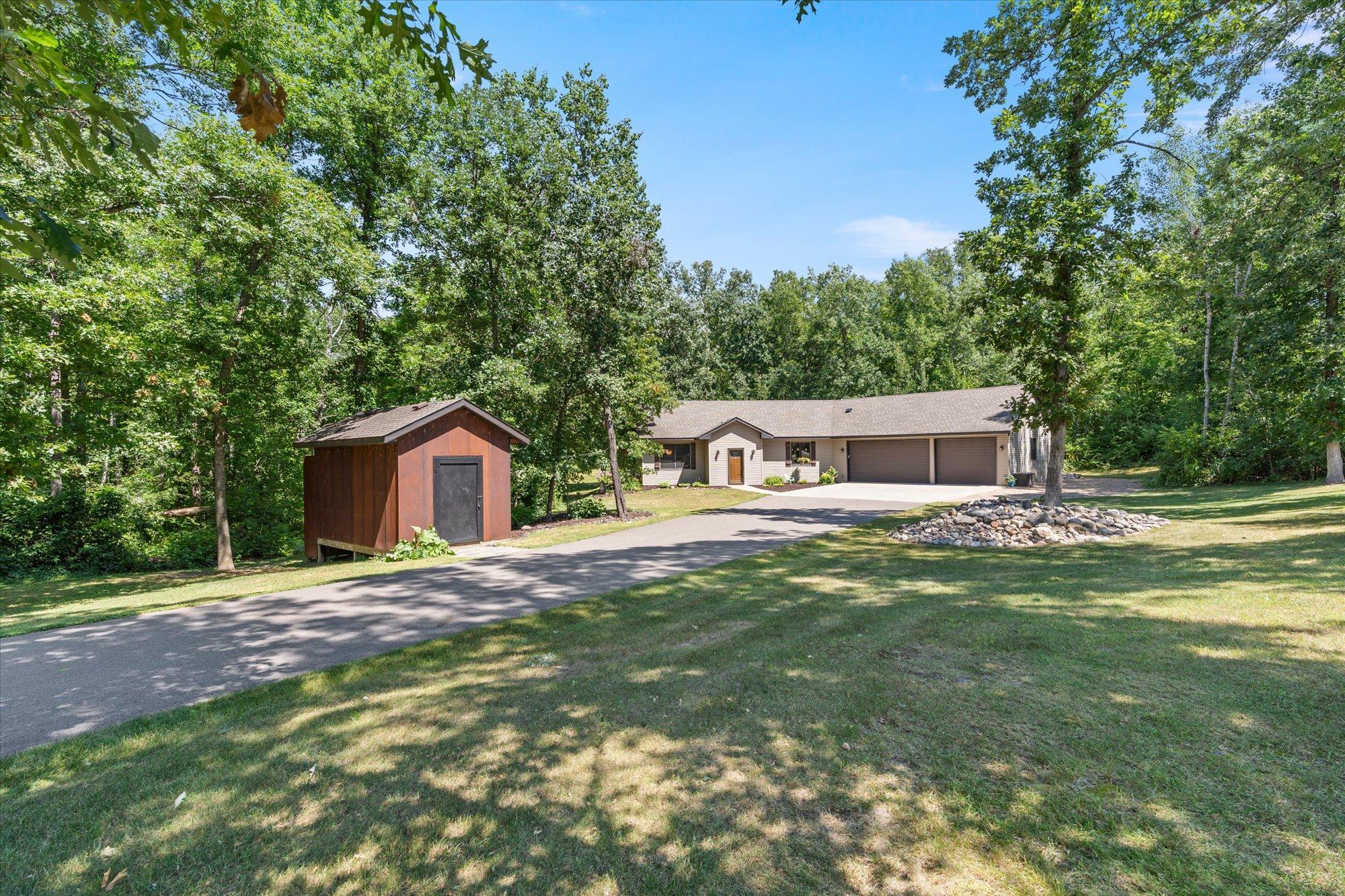
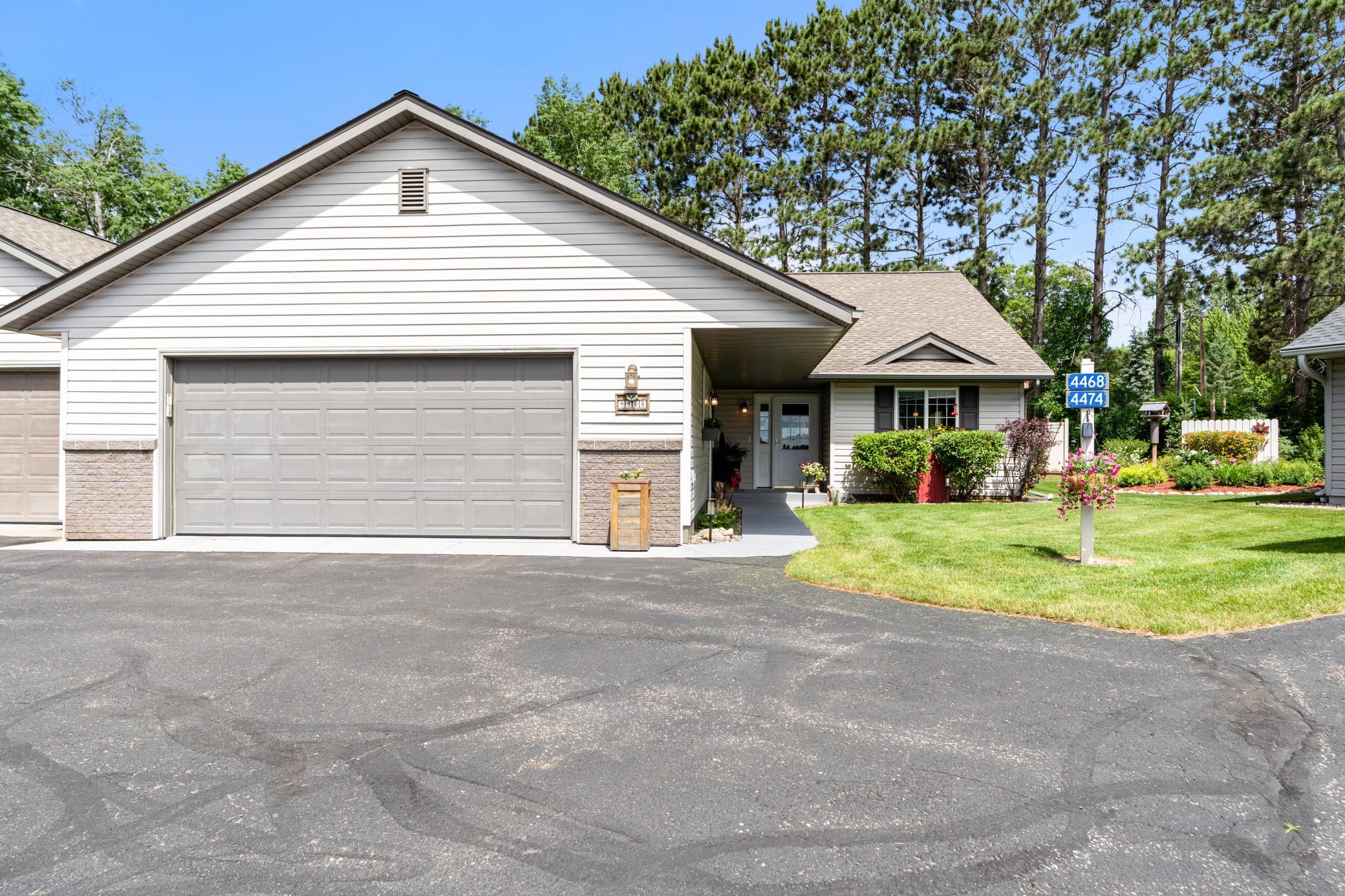
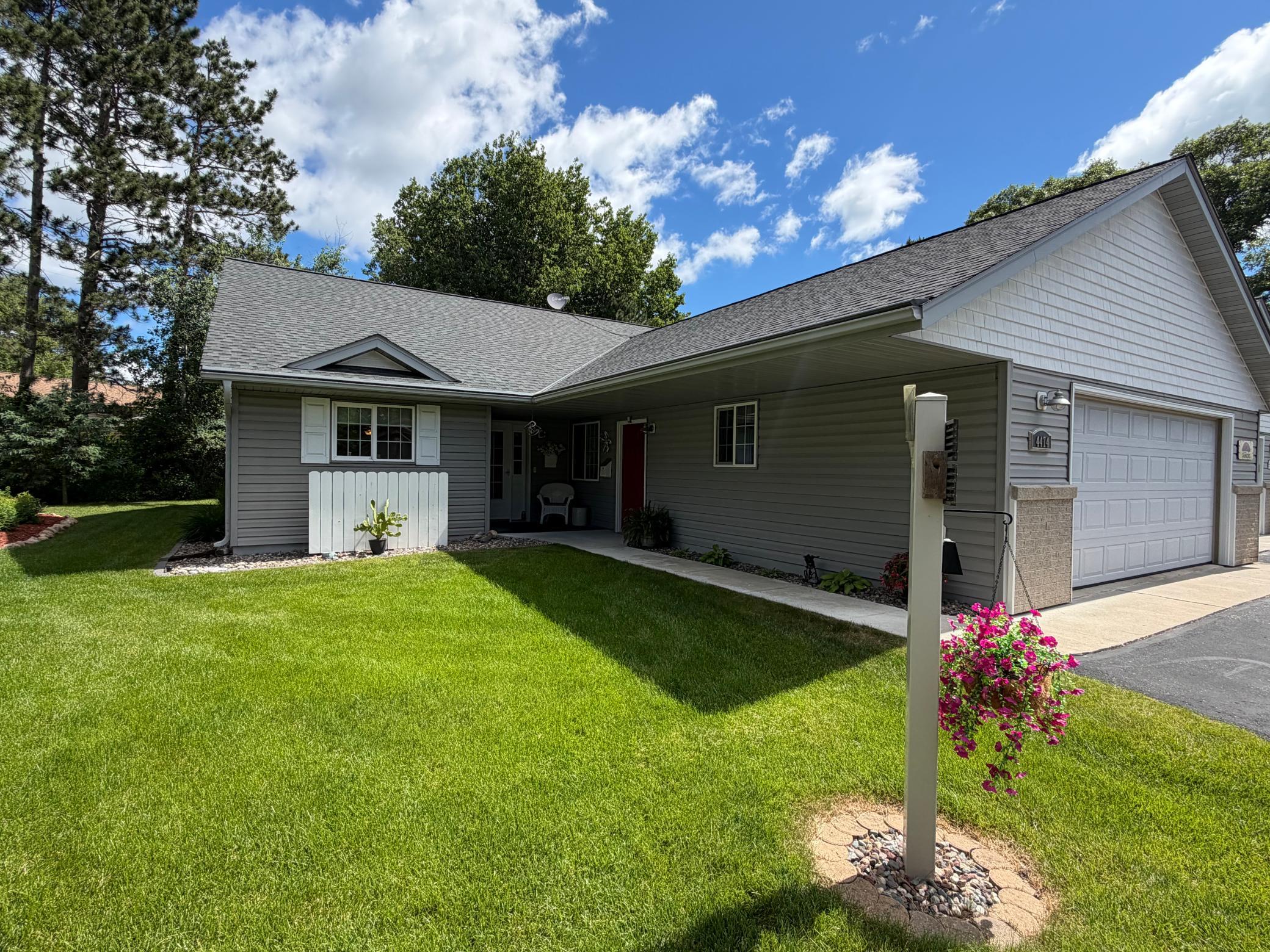
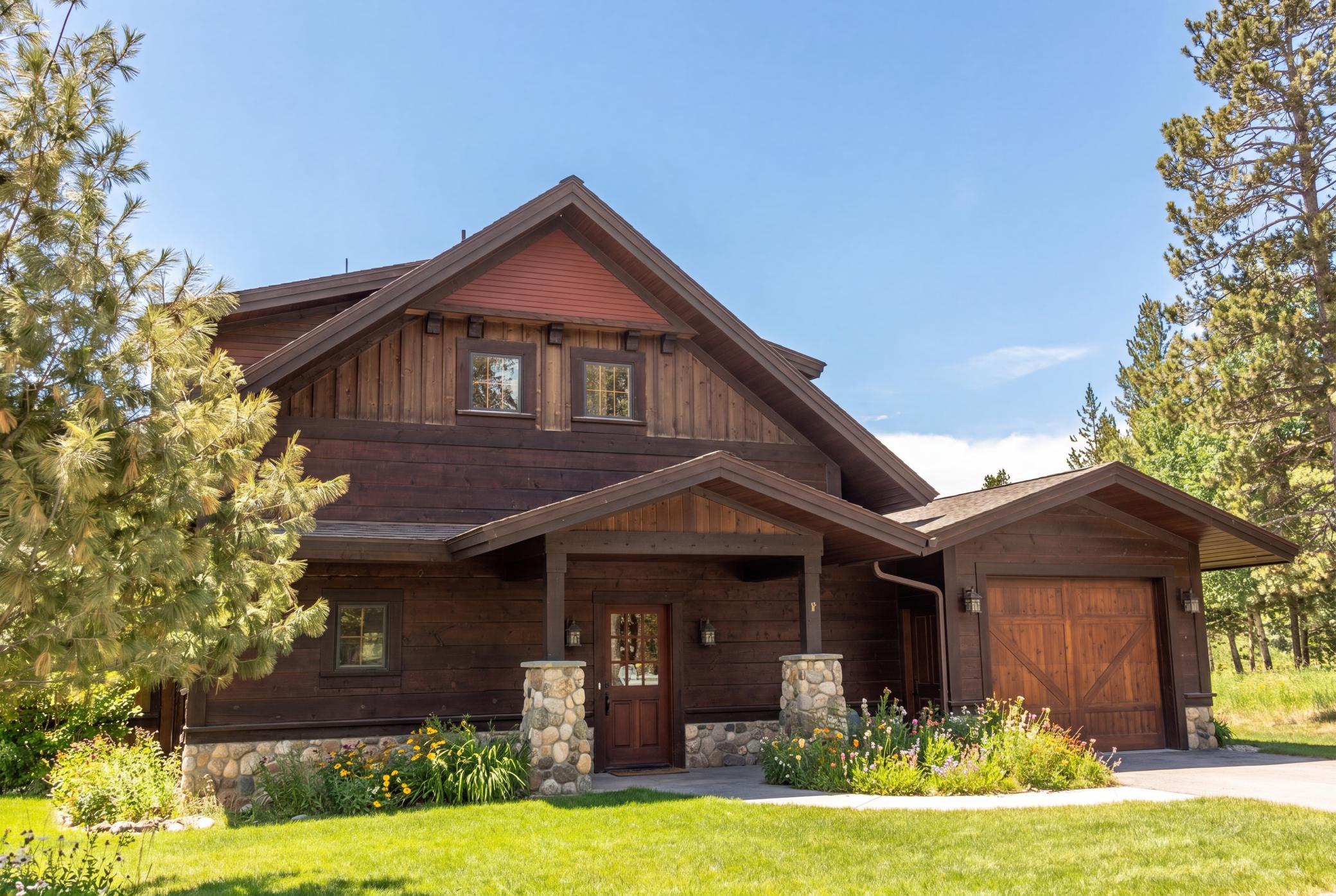
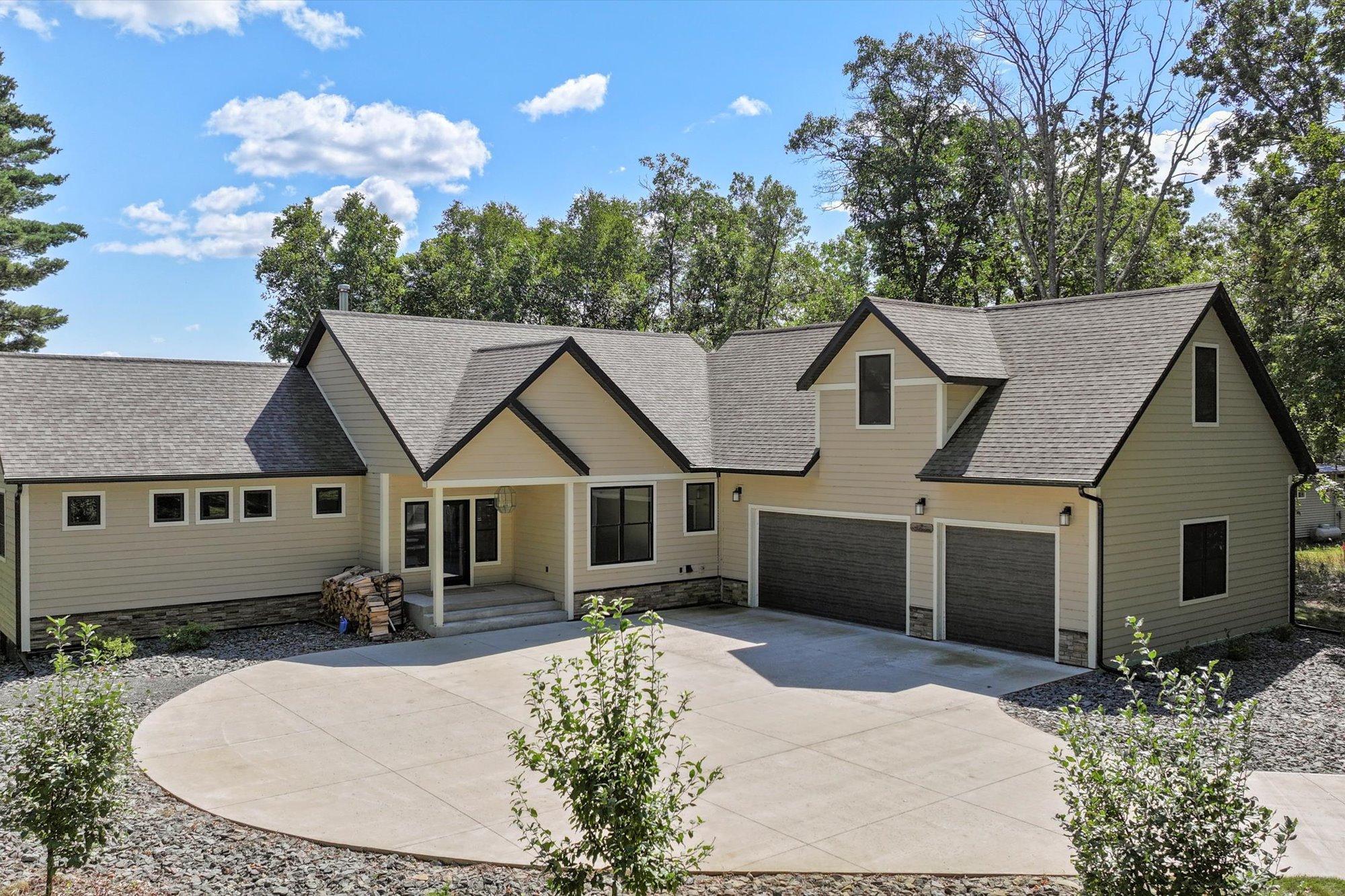
Off-lake homes usually give you a different kind of flexibility. You may not have private frontage, but you often avoid much of the shoreline-specific maintenance, dock management, and water-edge regulation that comes with direct lake ownership. For many buyers, that tradeoff feels practical rather than limiting.
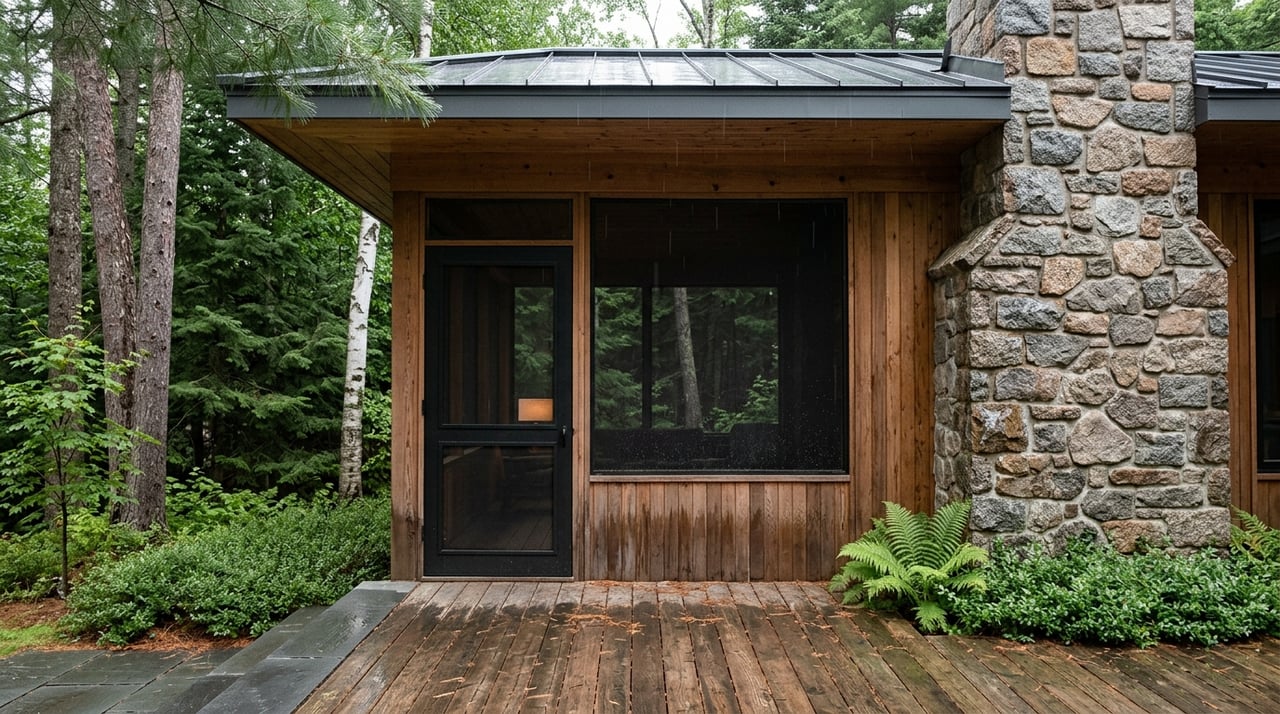
An off-lake home can still support a strong cabin or Northwoods lifestyle. In a place like Crosslake, where public recreation infrastructure is well established, you can remain very lake-oriented without owning shoreline yourself. The Whitefish Chain and the surrounding recreation network are a big reason off-lake living still appeals to many buyers.
That said, off-lake does not always mean free from shoreland rules. The DNR notes that if a parcel sits in the shoreland zone, local regulations may still apply even without direct waterfront ownership. So it is important to understand the actual lot, not just the broad property category.
Best fit for off-lake buyers
Off-lake may be the better choice if you:
- Want easier upkeep and fewer shoreline-specific responsibilities
- Prefer more yard flexibility or a different lot layout
- Plan to use public lake access rather than a private dock
- Want to stay closer to a lower price band
- Care more about overall value than private frontage itself
Budget often drives the decision
In Crosslake, this choice is not only about lifestyle. It is also about price. Redfin shows a March 2026 median sale price of $890K in Crosslake, compared with $354.5K statewide in Minnesota, which highlights how premium this market is overall.
At the same time, waterfront is its own narrower submarket. Redfin’s current waterfront inventory shows 35 homes with a median listing price of $599K, while Zillow’s broader Crosslake results show a wider spread of active prices such as $295K, $324,900, $399K, $449,900, and $498K. Because these are different snapshots and methods, they work best as directional context rather than direct apples-to-apples comparisons.
The practical takeaway is that buyers who do not need private frontage may be able to shop a broader and often lower price band. True lakefront ownership can require either a larger budget or a more specialized ownership setup, especially on sought-after parts of the Whitefish Chain.
How to choose based on lifestyle
If you are torn, the clearest answer usually comes from your real habits rather than your ideal picture. It helps to think about how often you will be on the water, how much property work you want to manage, and whether private frontage changes your day-to-day life enough to justify the added cost.
Choose lakefront if the lake itself is the center of your plan. If you want direct daily access for boating, swimming, and fishing, and you are comfortable with permitting and shoreline maintenance, lakefront likely deserves a serious look.
Choose off-lake if you want the Crosslake lifestyle with fewer moving parts. If privacy, yard flexibility, easier upkeep, or better value per dollar matter more than owning shoreline itself, off-lake may be the smarter fit.
A practical Crosslake decision checklist
Before you decide, compare both options side by side with a few grounded questions:
- How often will you realistically boat, swim, or fish from home?
- Do you want a dock at your property, or are public access points enough?
- Are you comfortable navigating permits for future shoreline changes?
- Would you rather put more of your budget into location, house size, or updates?
- Does the lot include wetlands, erosion issues, or access limitations?
- Will this be a weekend escape, seasonal cabin, or full-time home?
A clear answer to those questions usually points you in the right direction faster than a simple lakefront-versus-off-lake label.
Why local guidance matters here
In Crosslake, small property details can have a big impact. Two homes at similar prices may offer very different ownership experiences depending on shoreline conditions, wetlands, access setup, permitting needs, or proximity to public recreation. That is why local context matters so much when you compare options.
Having a team that understands the Whitefish Chain, Crosslake regulations, and the subtle differences between property types can help you avoid surprises. Whether you are searching for a legacy lake place or a lower-maintenance home near the water, the right guidance can help you match your budget to the lifestyle you actually want.
If you are deciding between lakefront and off-lake in Crosslake, Larson Group can help you compare the tradeoffs, narrow the right fit, and move forward with confidence.
FAQs
What is the main benefit of a lakefront home in Crosslake?
- The biggest benefit is direct private shoreline access for activities like boating, swimming, fishing, kayaking, and dock use right from your property.
What should buyers know about Crosslake shoreline permits?
- Crosslake requires a shoreland alteration permit for most dirt-moving and vegetation-removal work near lakes and streams, and permits are also needed for some access features like stairways or elevated boardwalks.
Are off-lake homes in Crosslake still good for lake lovers?
- Yes. Crosslake is built around the Whitefish Chain and public recreation access, so many off-lake owners can still enjoy regular boating, fishing, swimming, and time on the water.
Does off-lake mean no shoreland regulations in Crosslake?
- No. If an off-lake property is still located within the shoreland zone, local regulations may apply even without direct waterfront ownership.
Is lakefront always more expensive than off-lake in Crosslake?
- Lakefront is generally a more specialized and often higher-budget segment, while buyers who do not need private frontage can often shop a broader range of lower-priced options.
What should you review before buying a Crosslake lakefront property?
- You should review whether the lot includes shoreland or wetlands, what access rights exist, whether there is any erosion history or riprap, and what permits may be needed for future changes near the water.